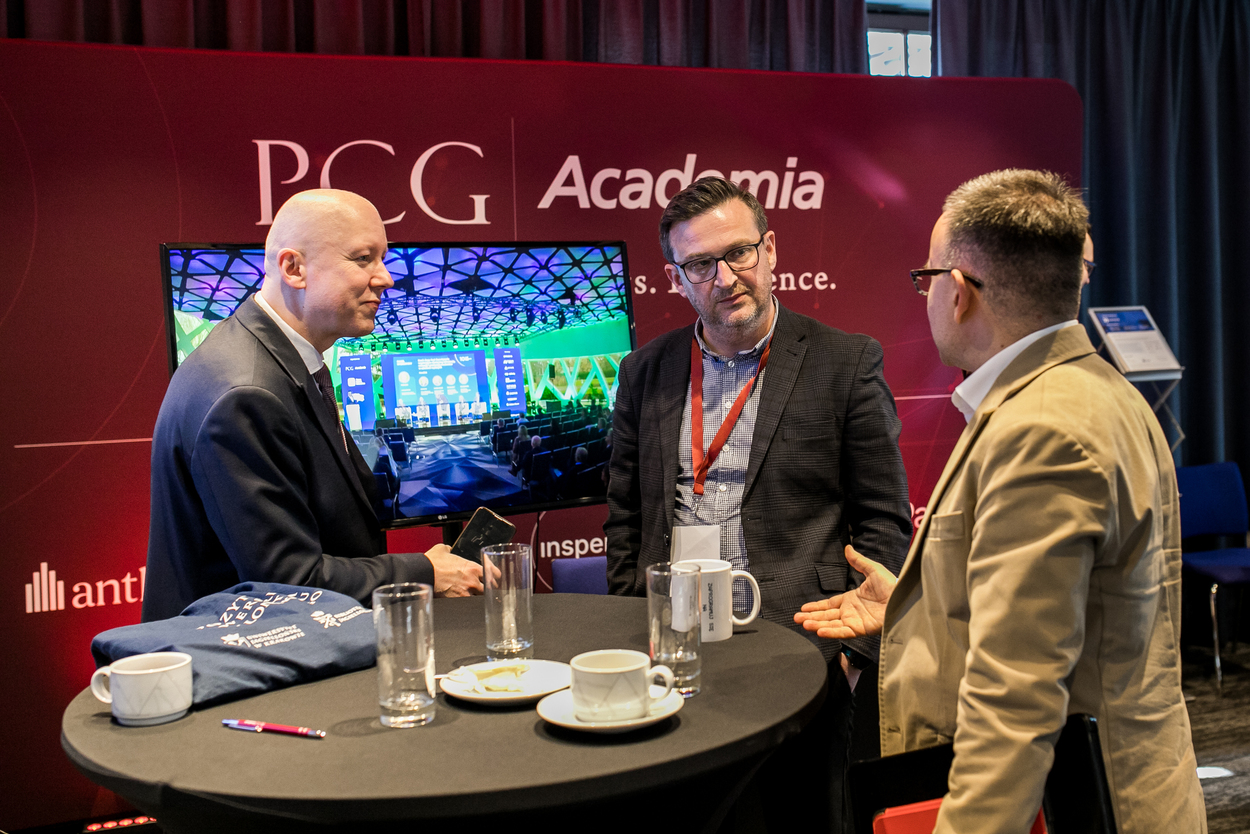
DSpace Poland National Group Conference is behind us – leaders of digital transformation of science met in Zakopane
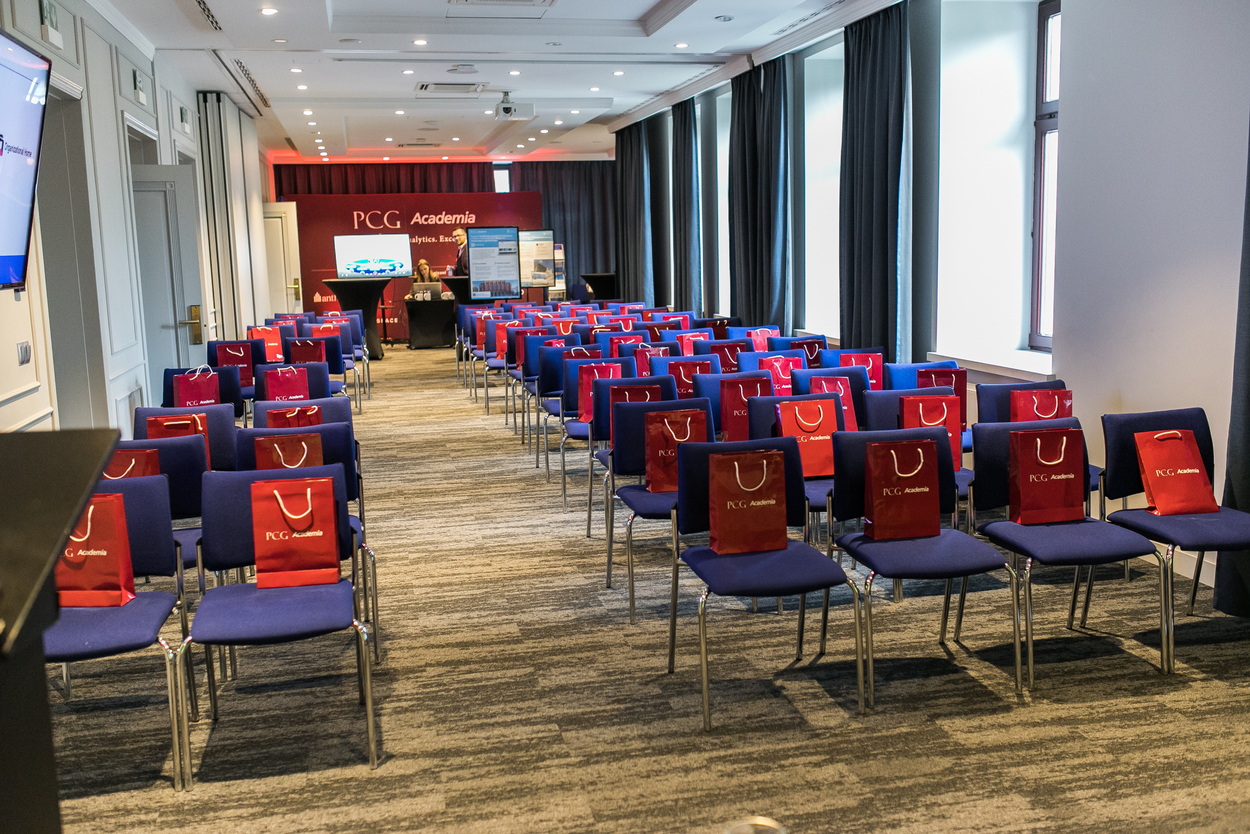
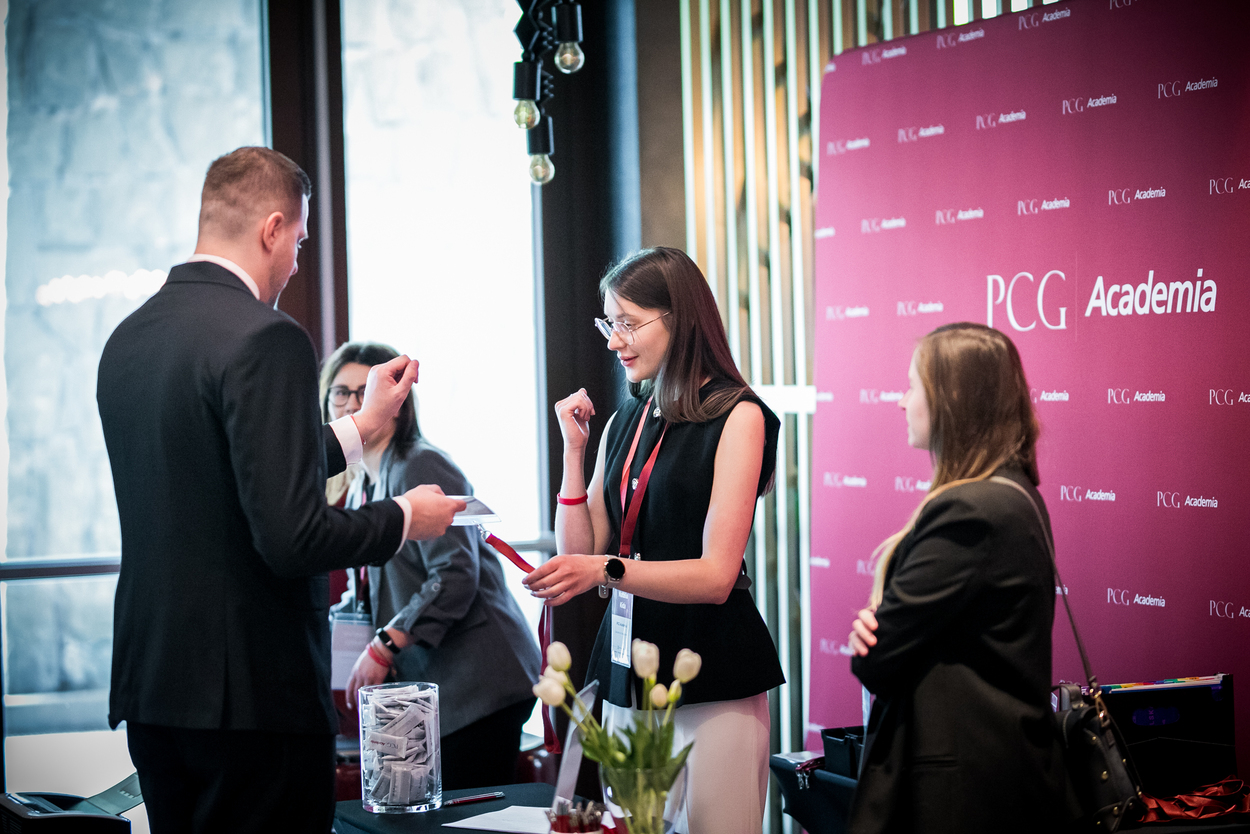
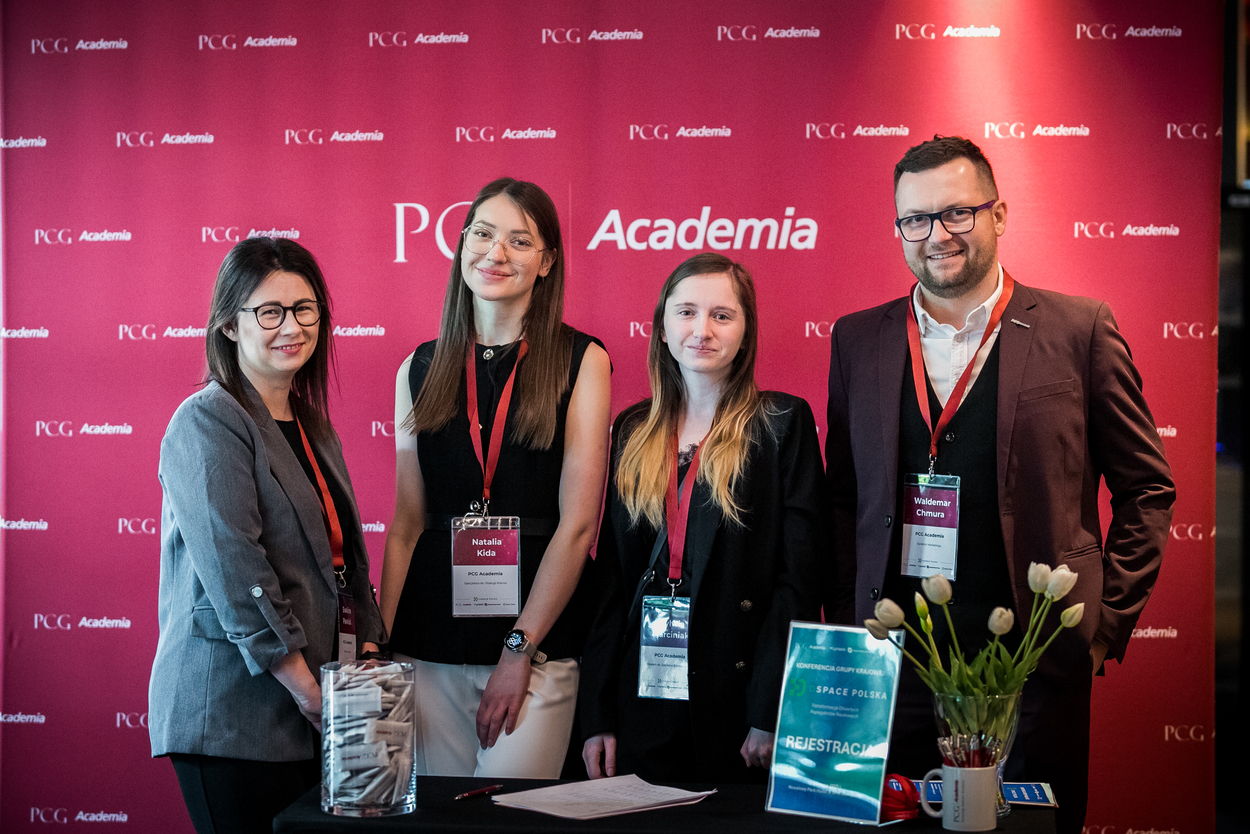
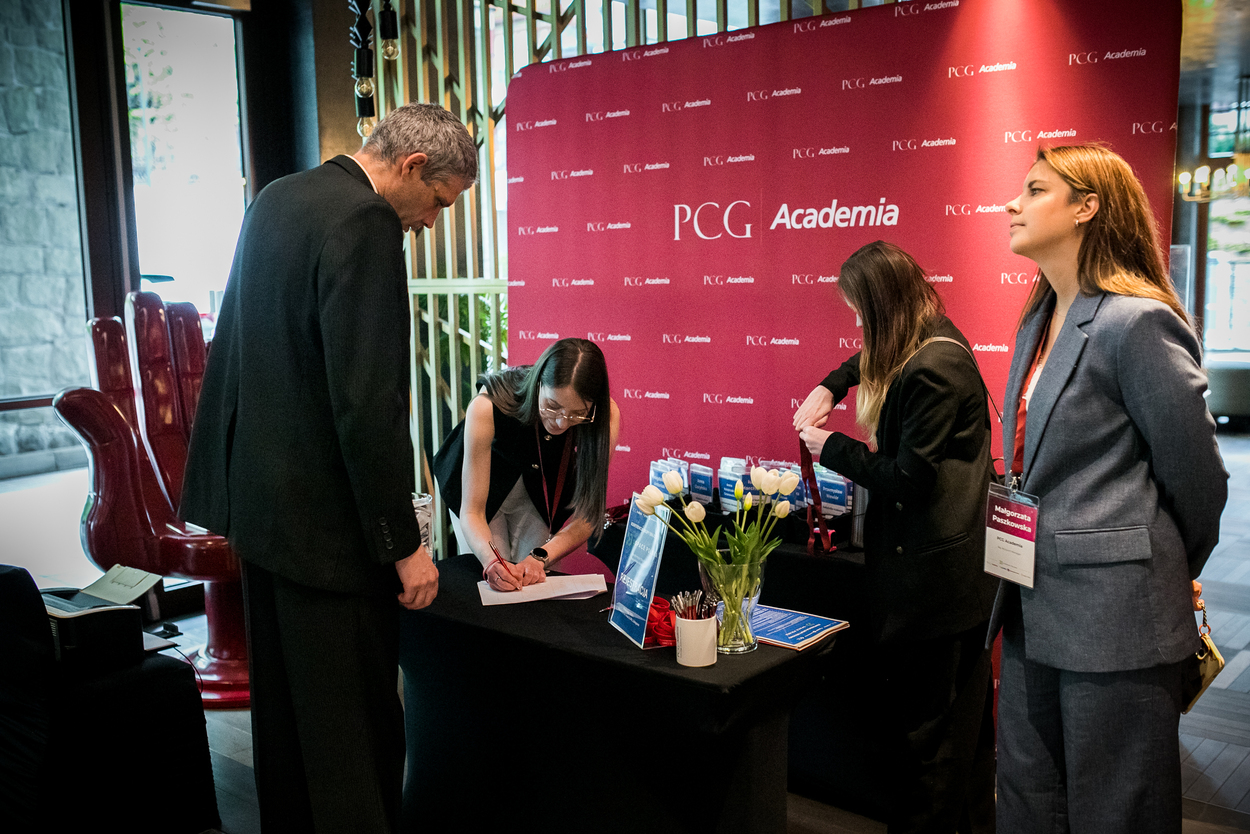
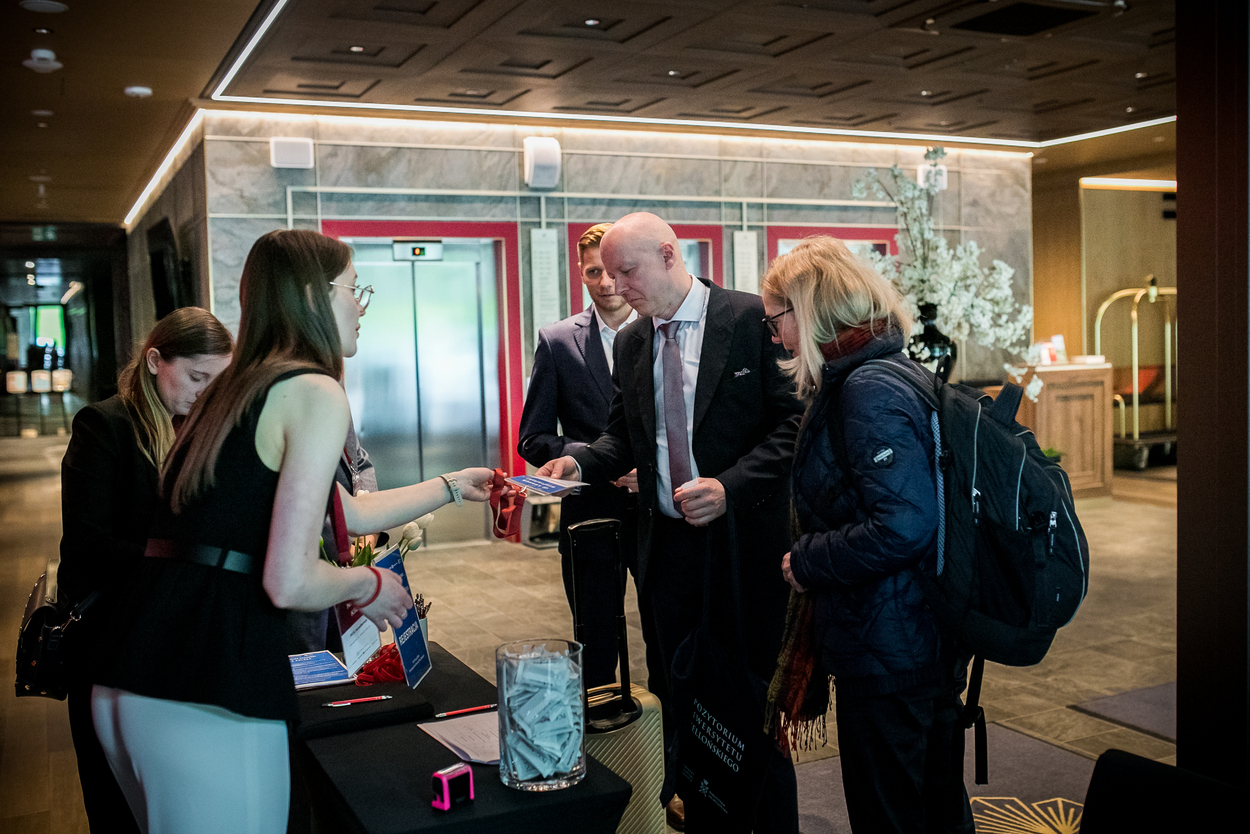
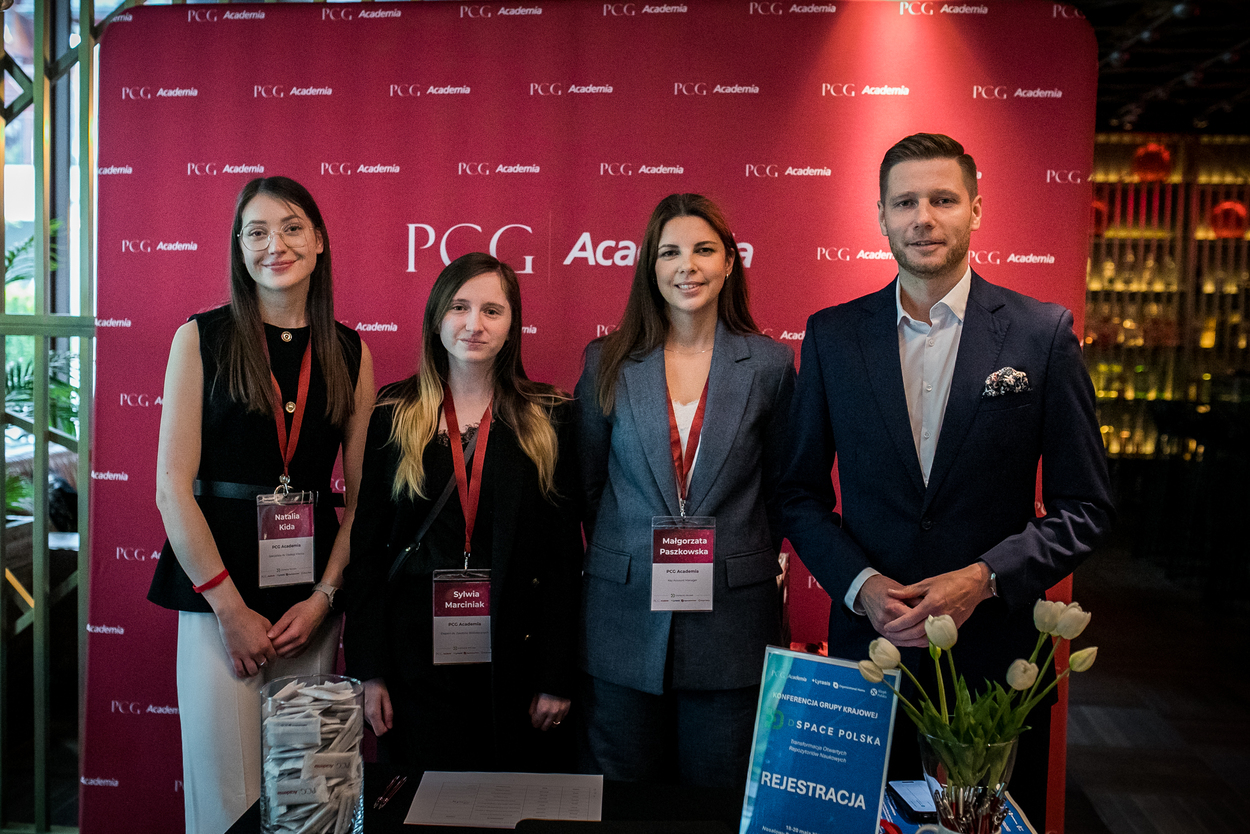
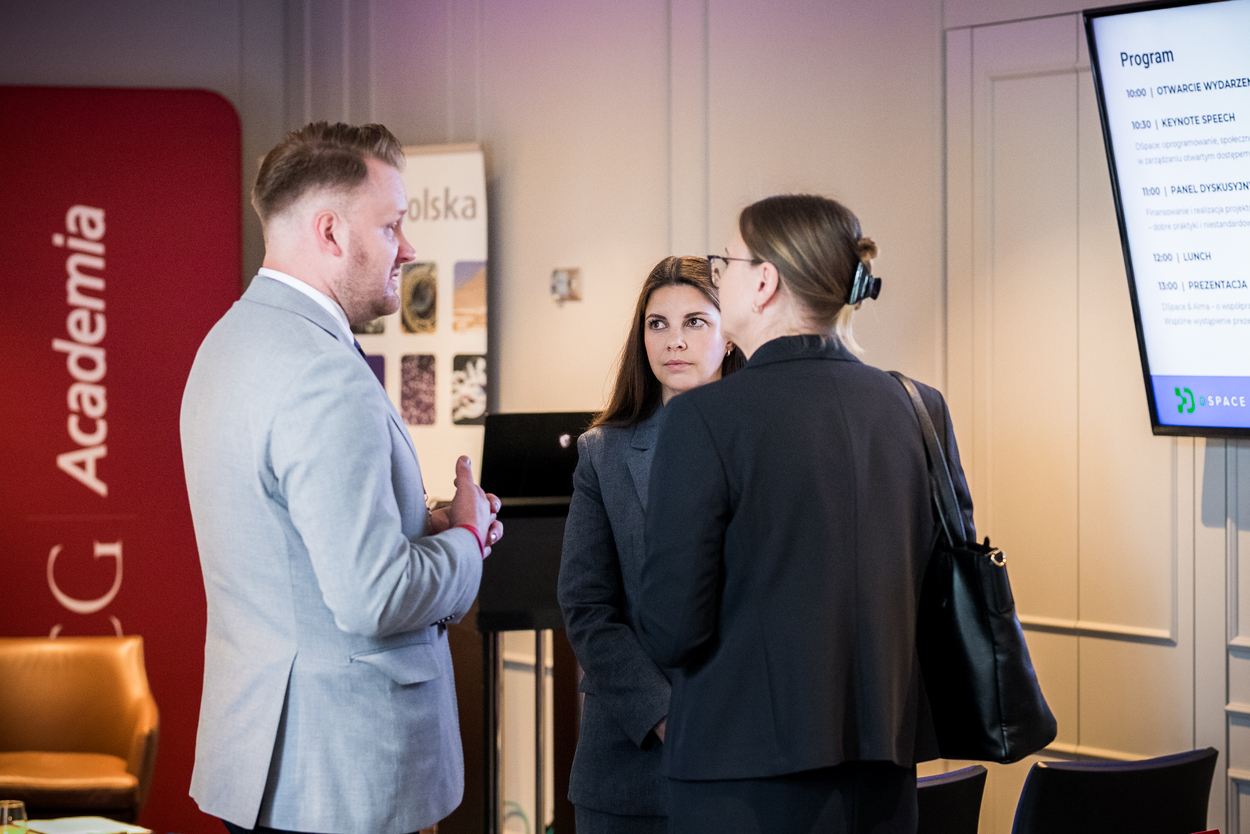
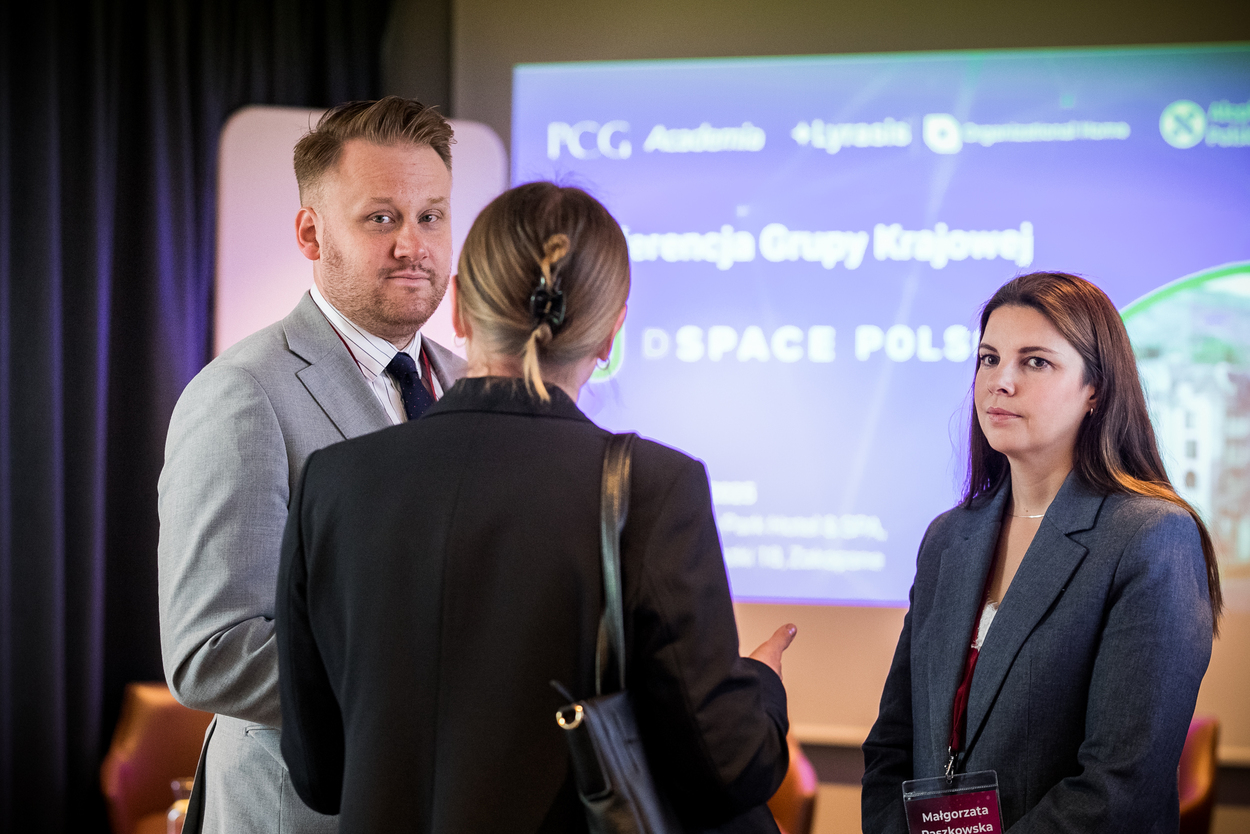
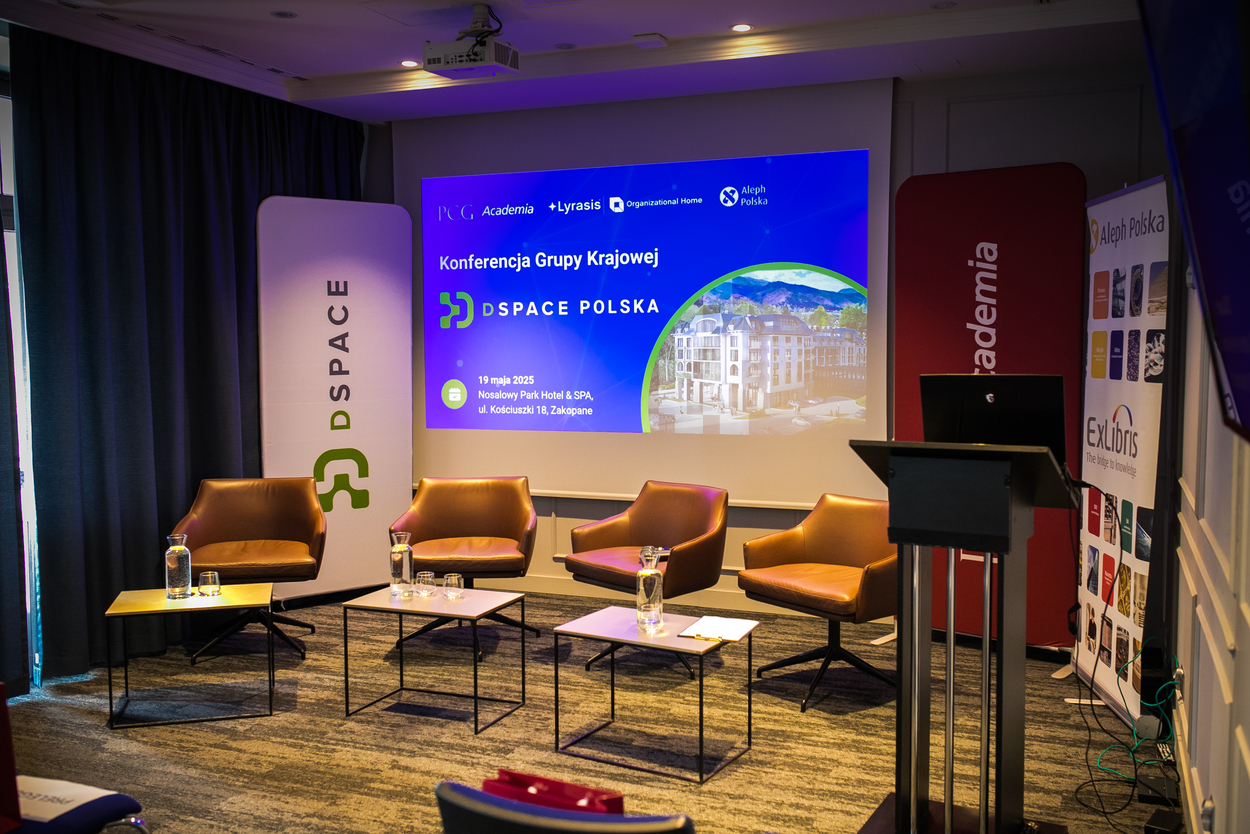
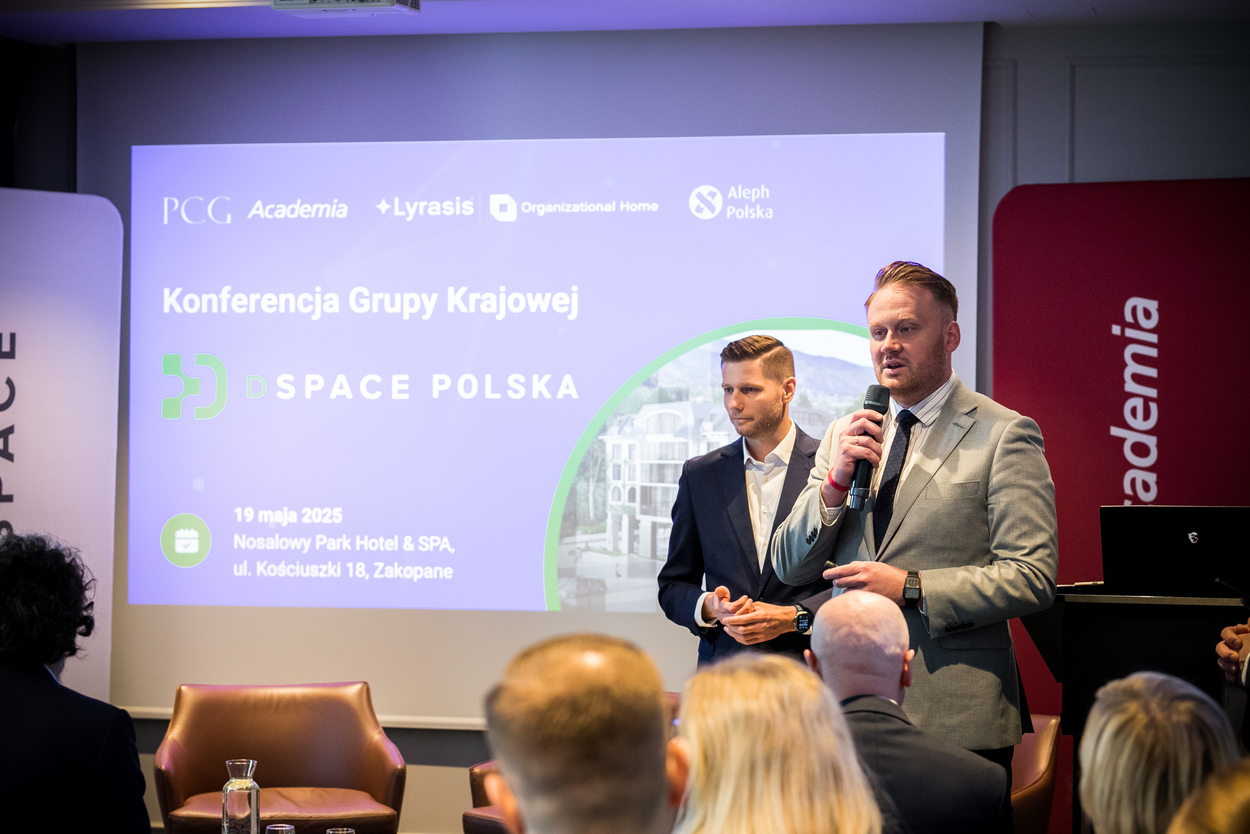
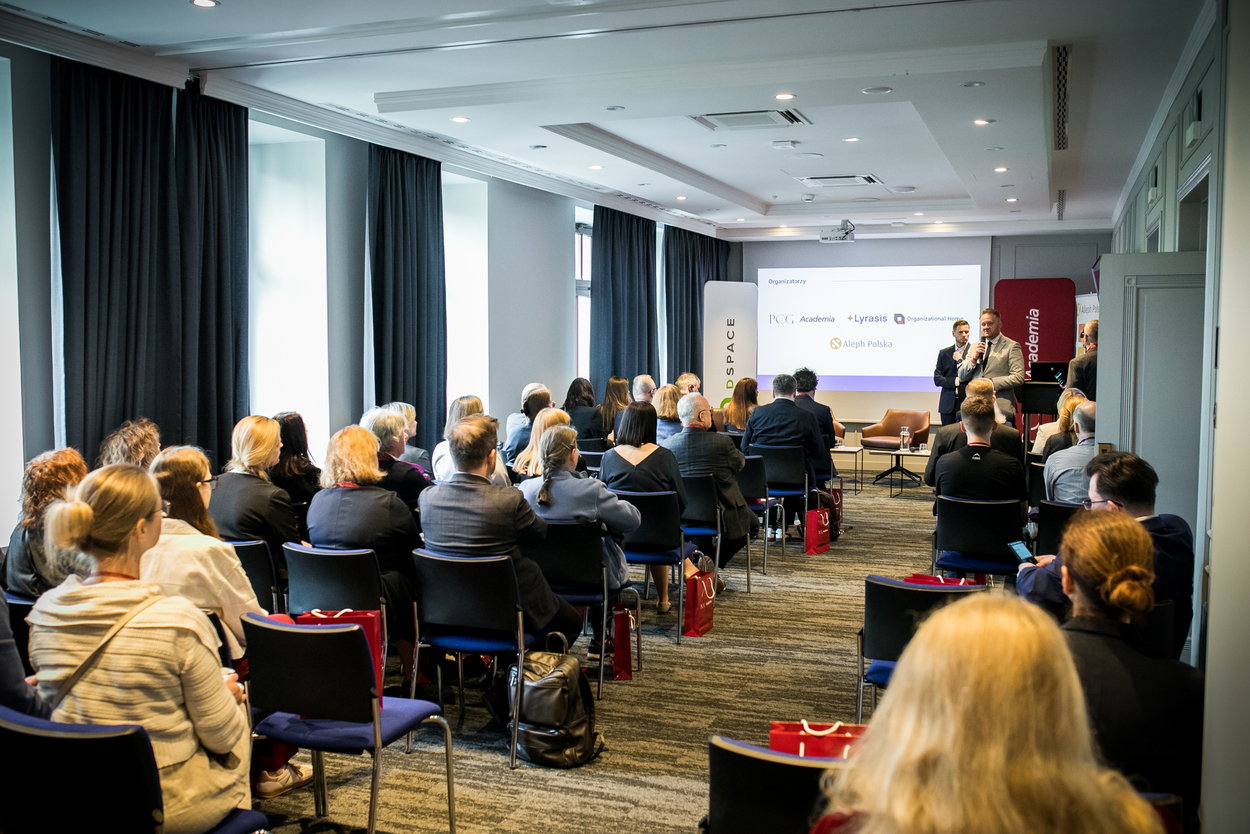
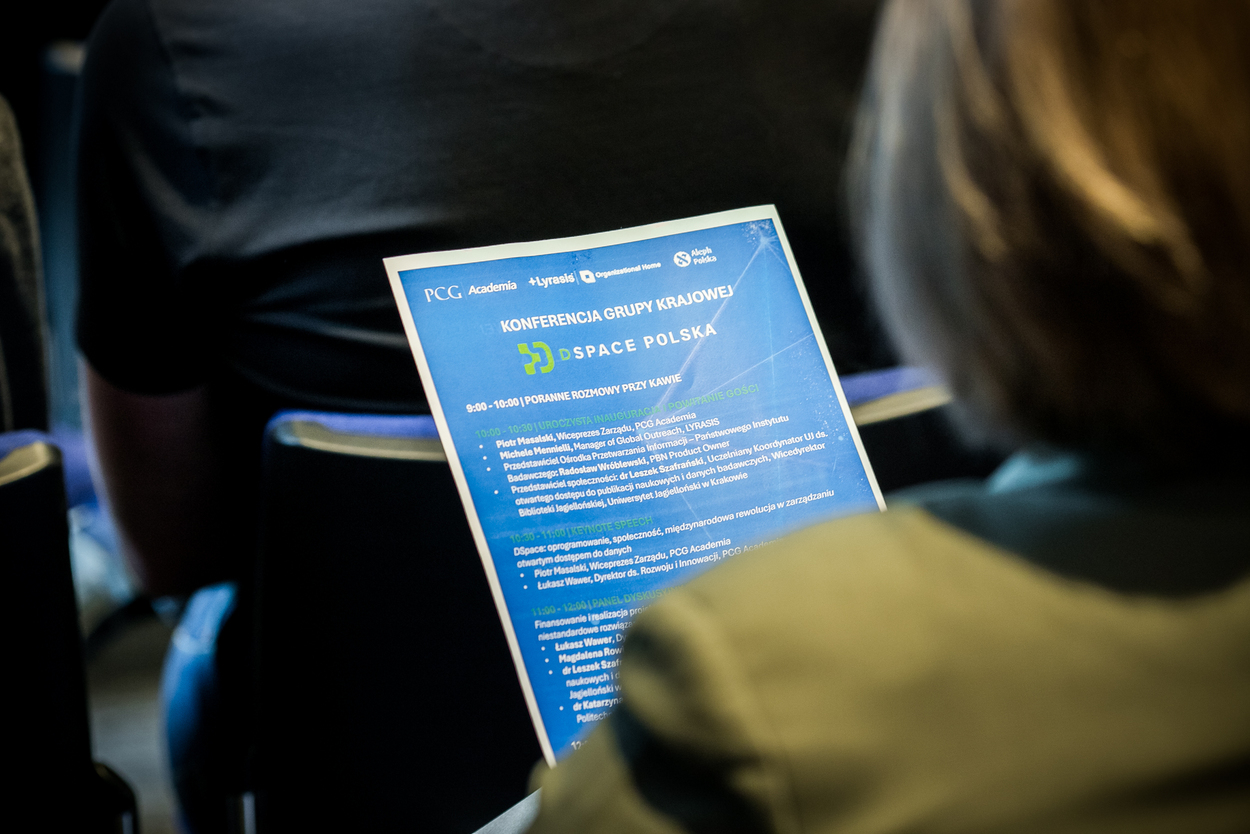
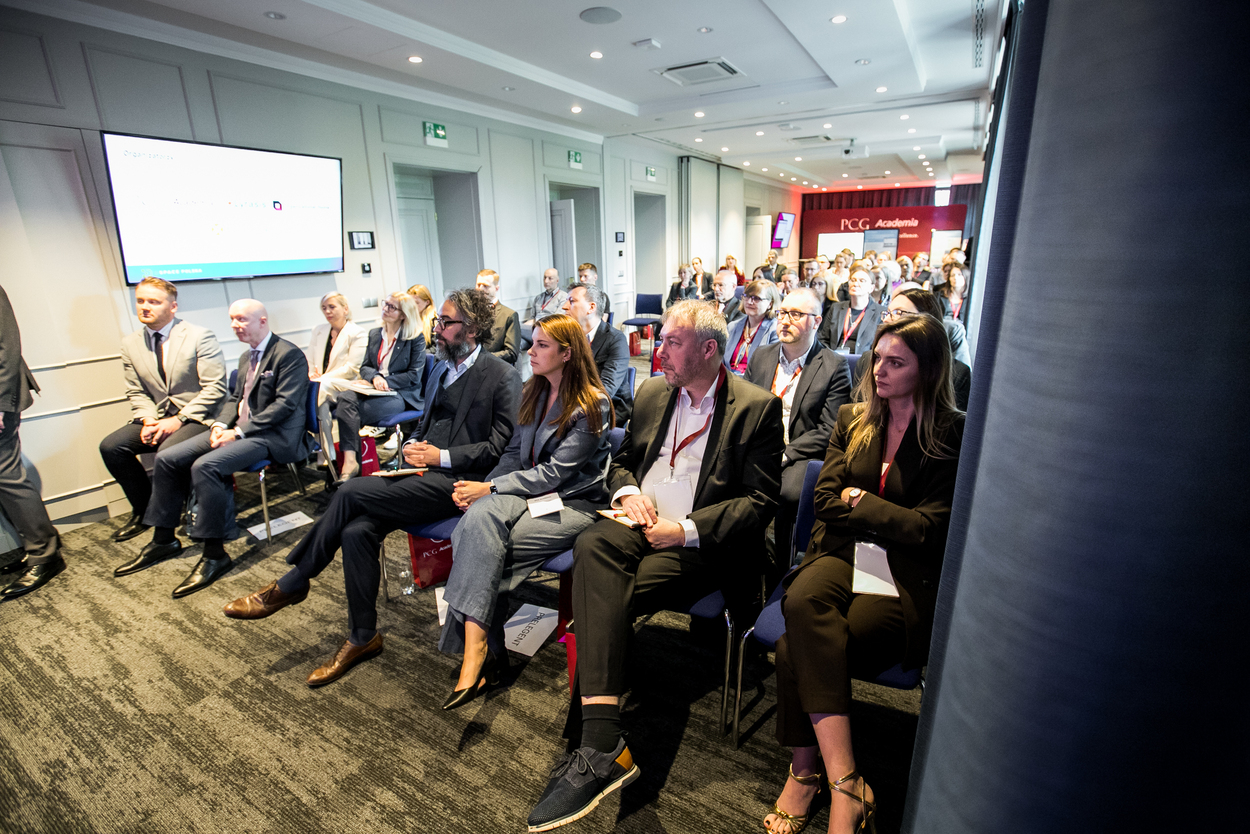
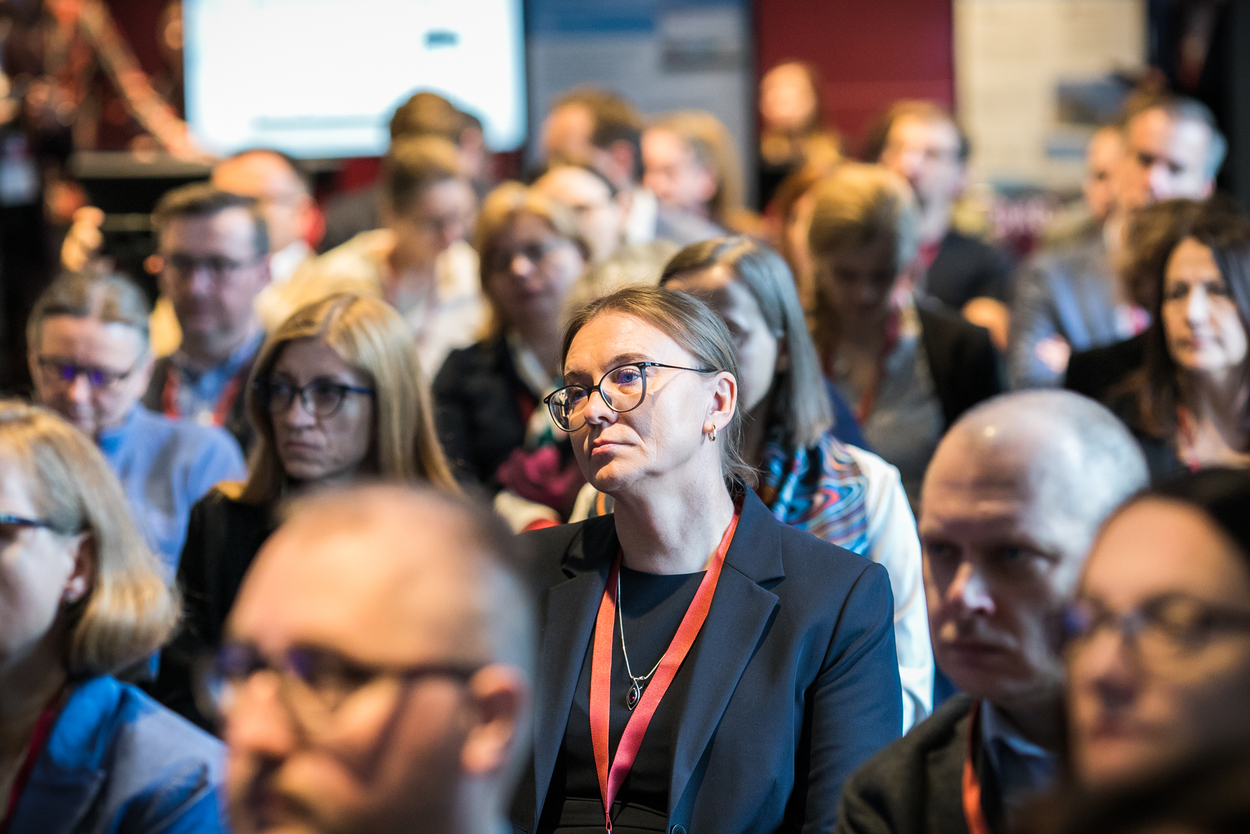
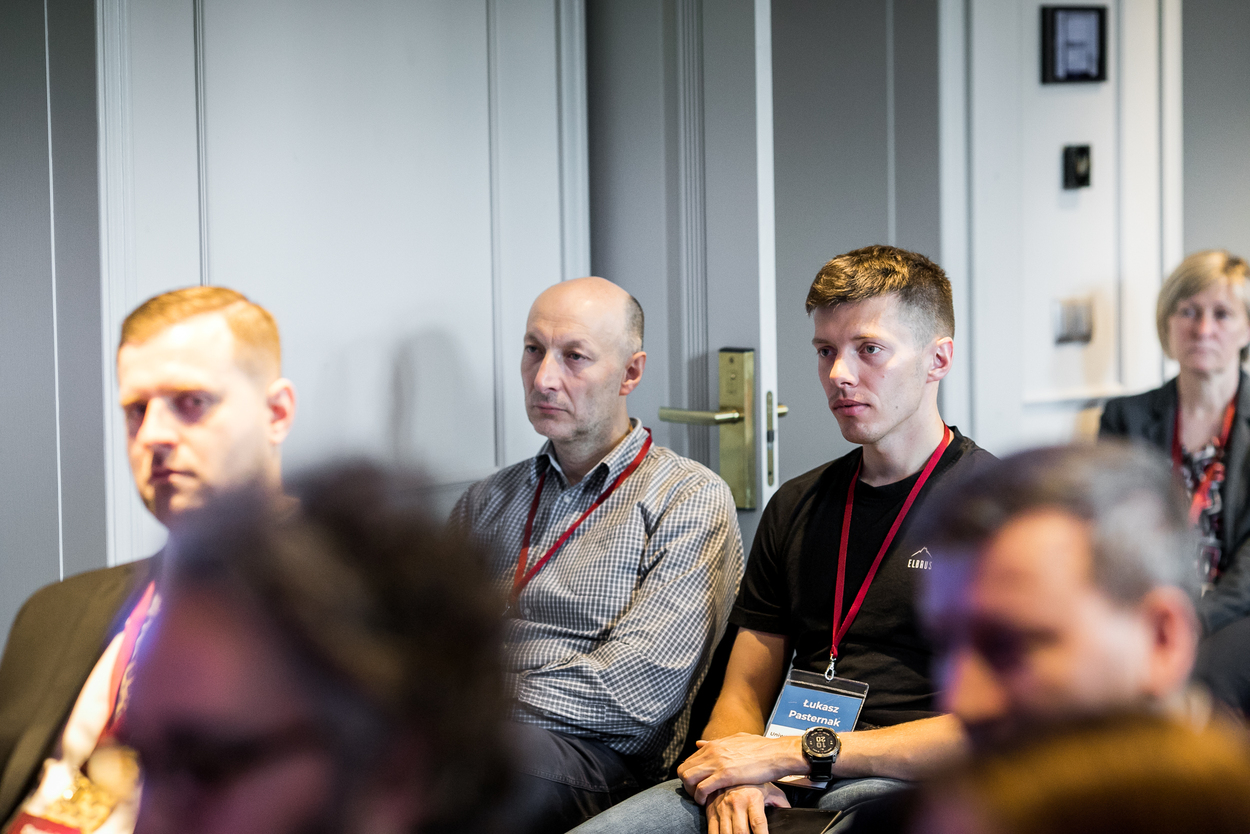
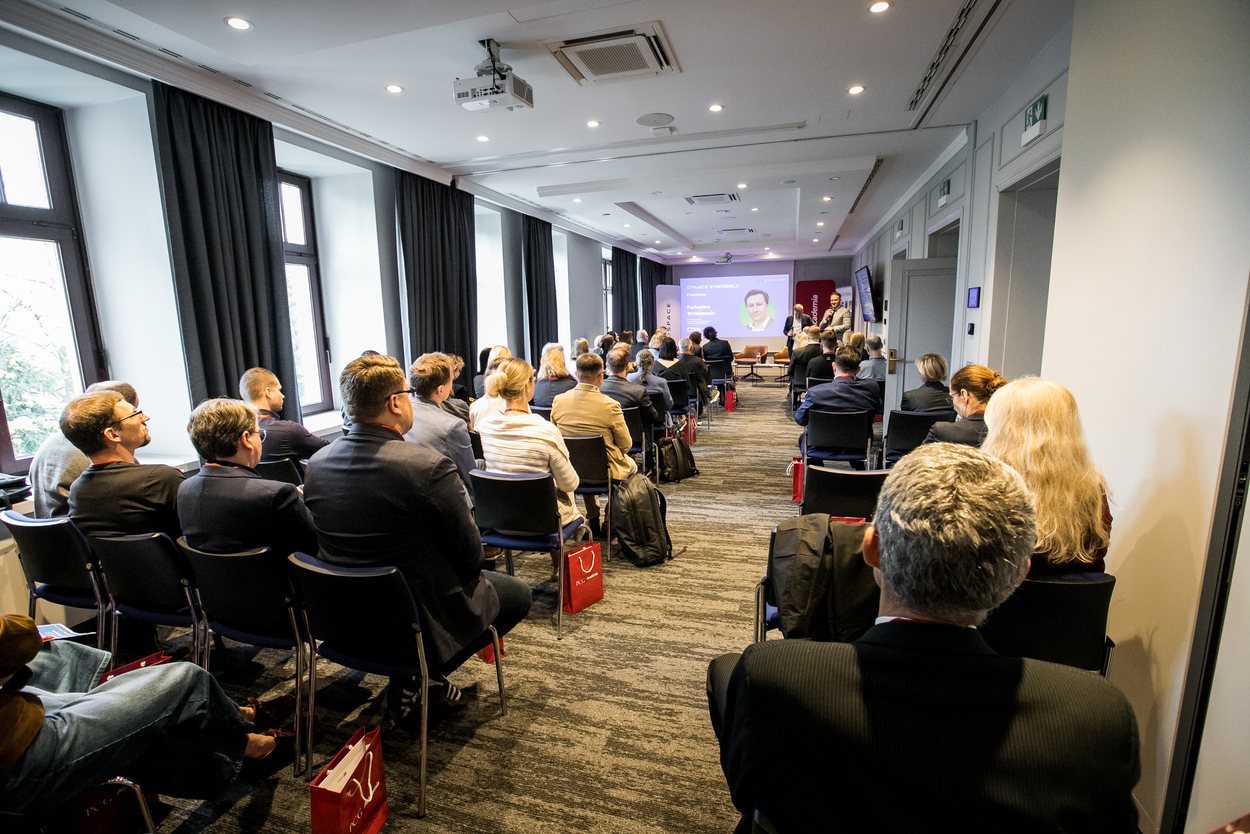
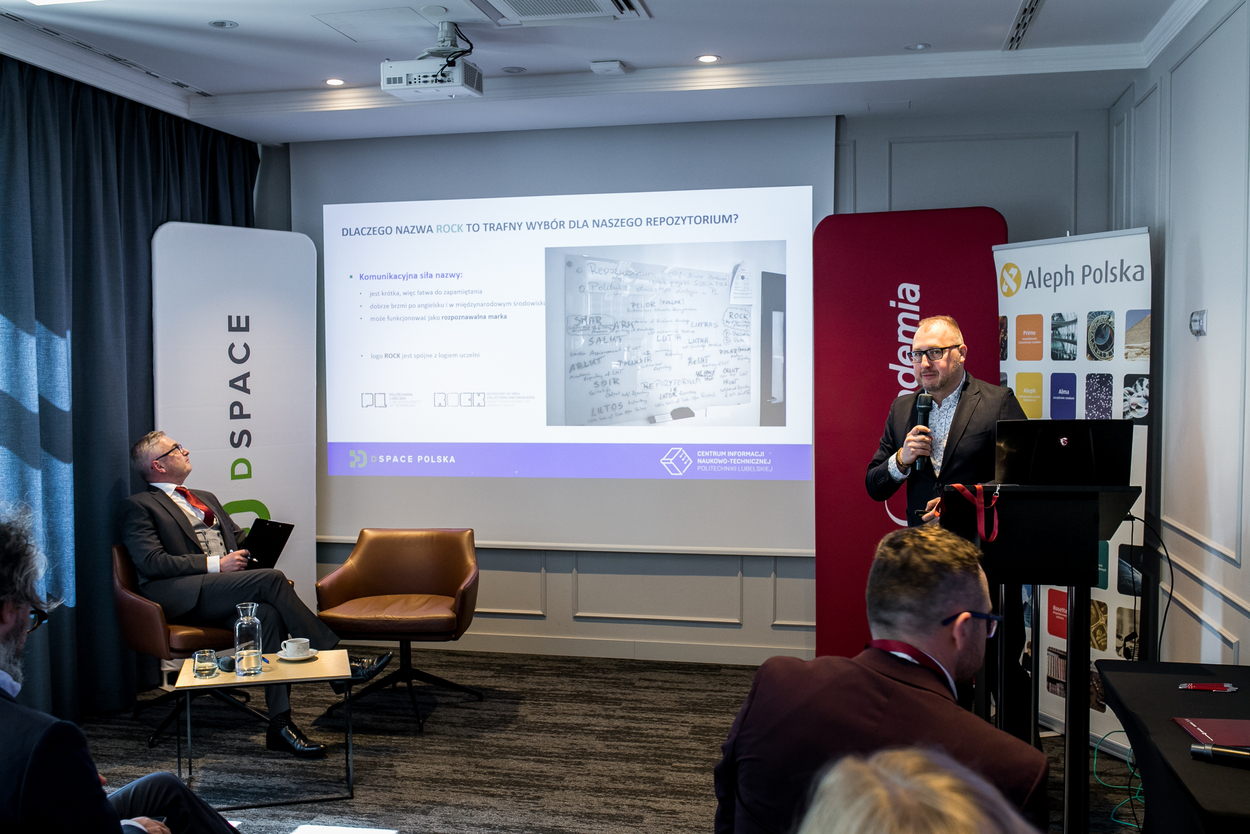
26 May 2025 8 min readingOn May 18-20, 2025, the DSpace Poland National Group Conference, organized by PCG Academia, Lyrasis and Aleph Poland, took place in picturesque Zakopane. The event brought together representatives of leading Polish and European universities and scientific institutions who use the DSpace platform, an open source software for managing scientific resources, on a daily basis.
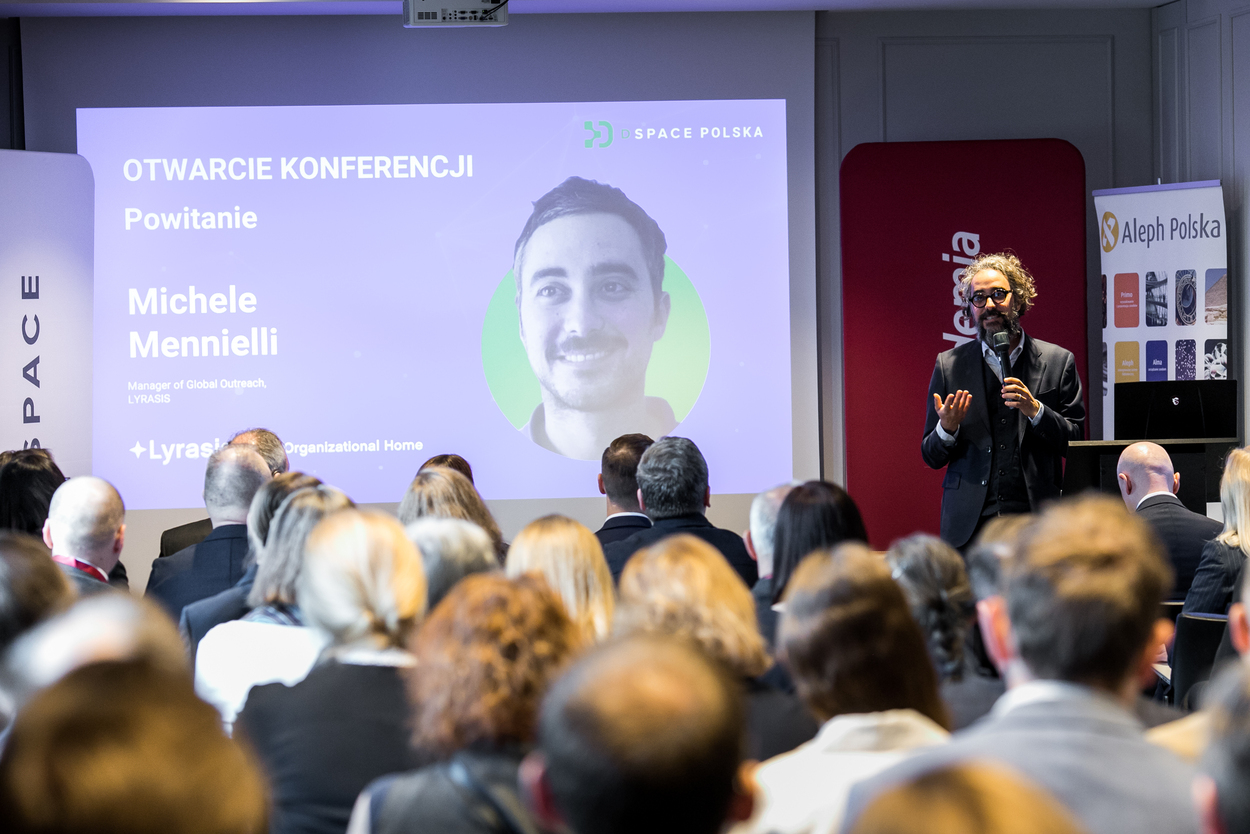
The inaugural speech: DSpace as a global open access standard
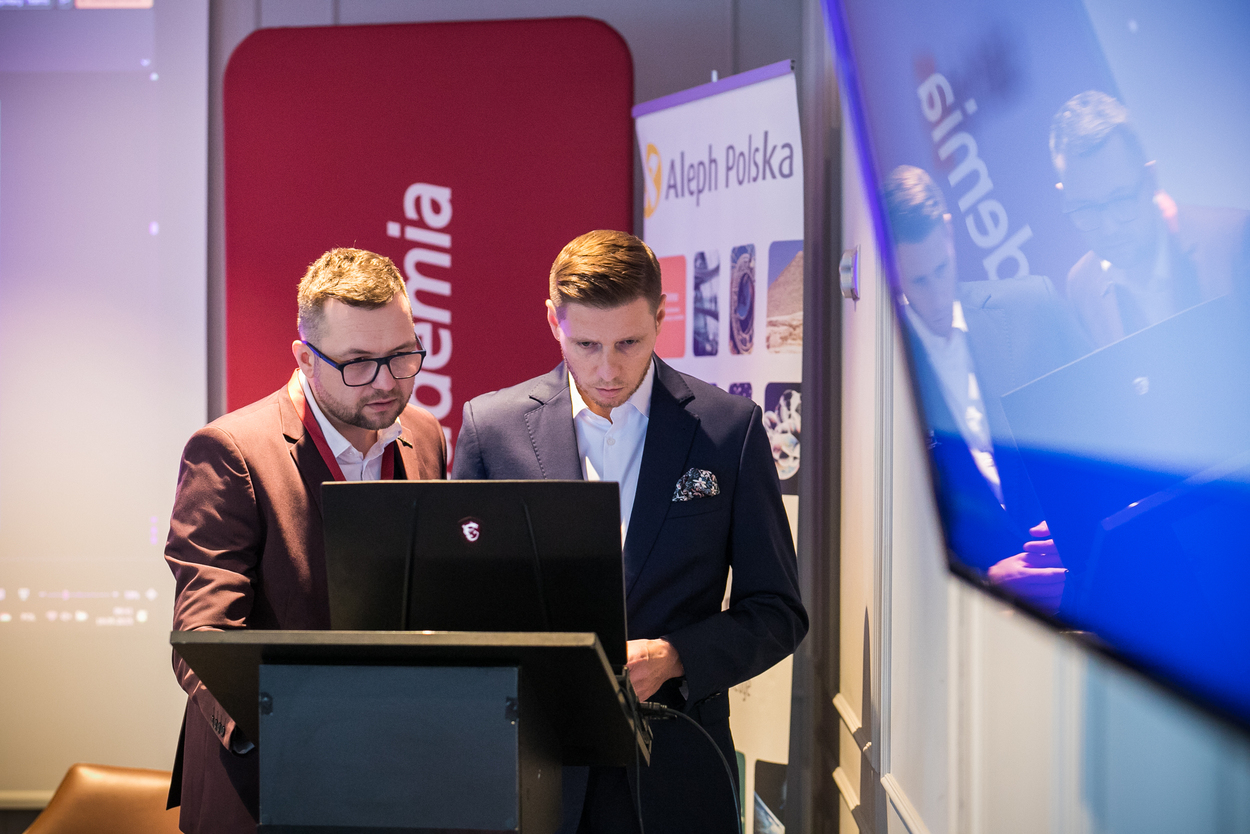
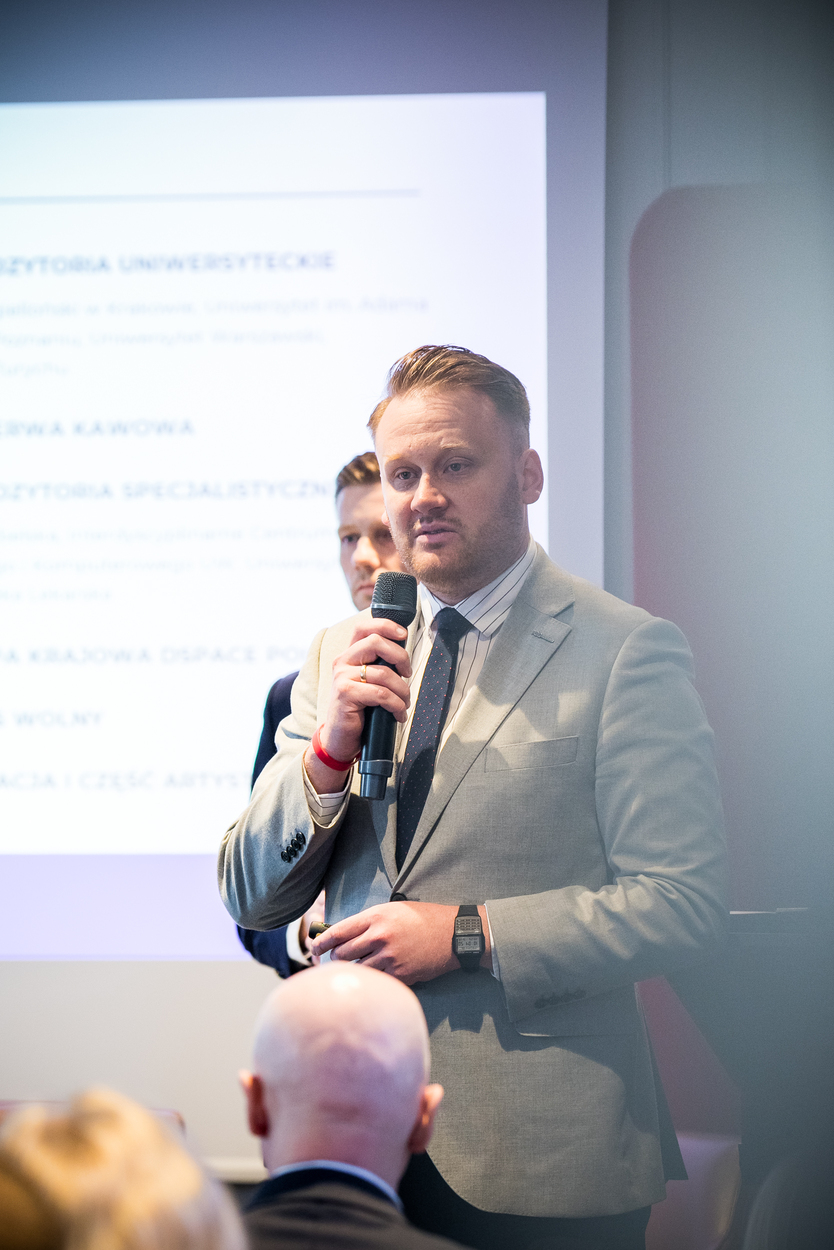
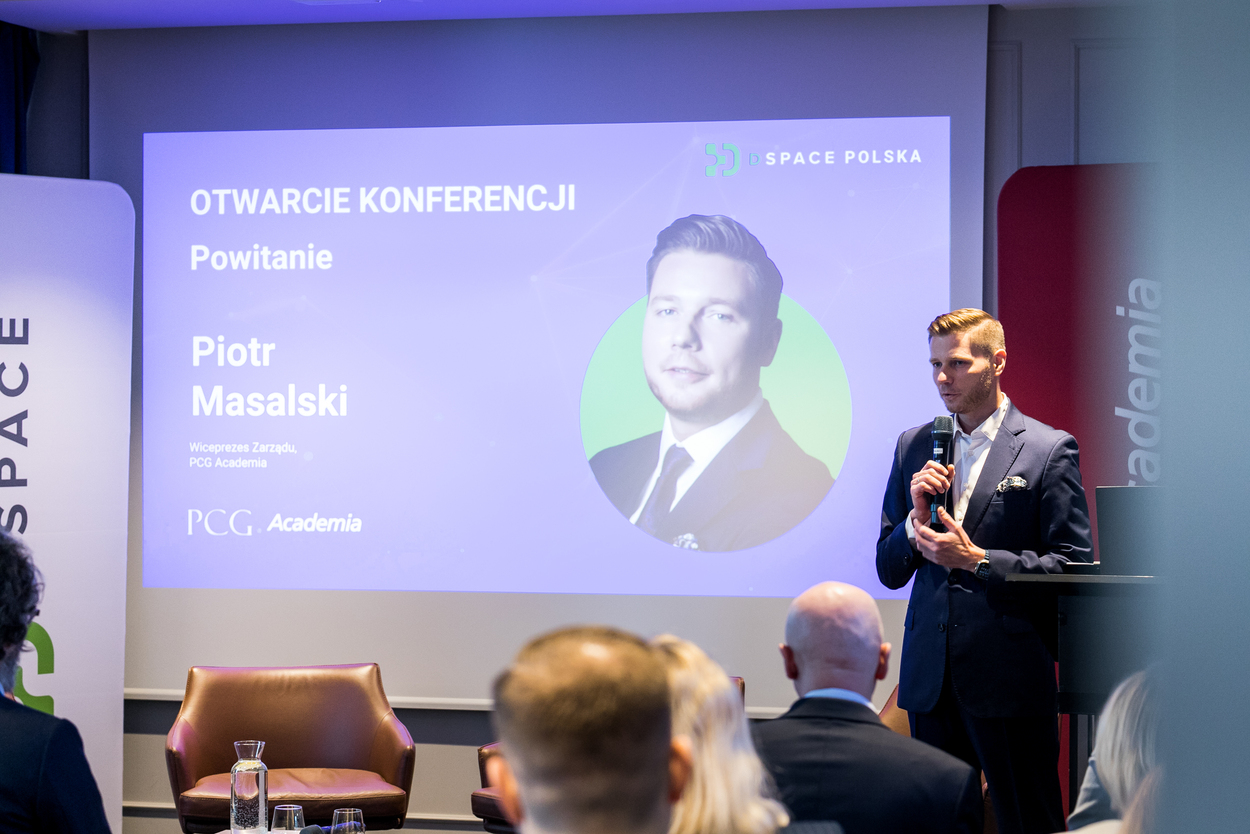
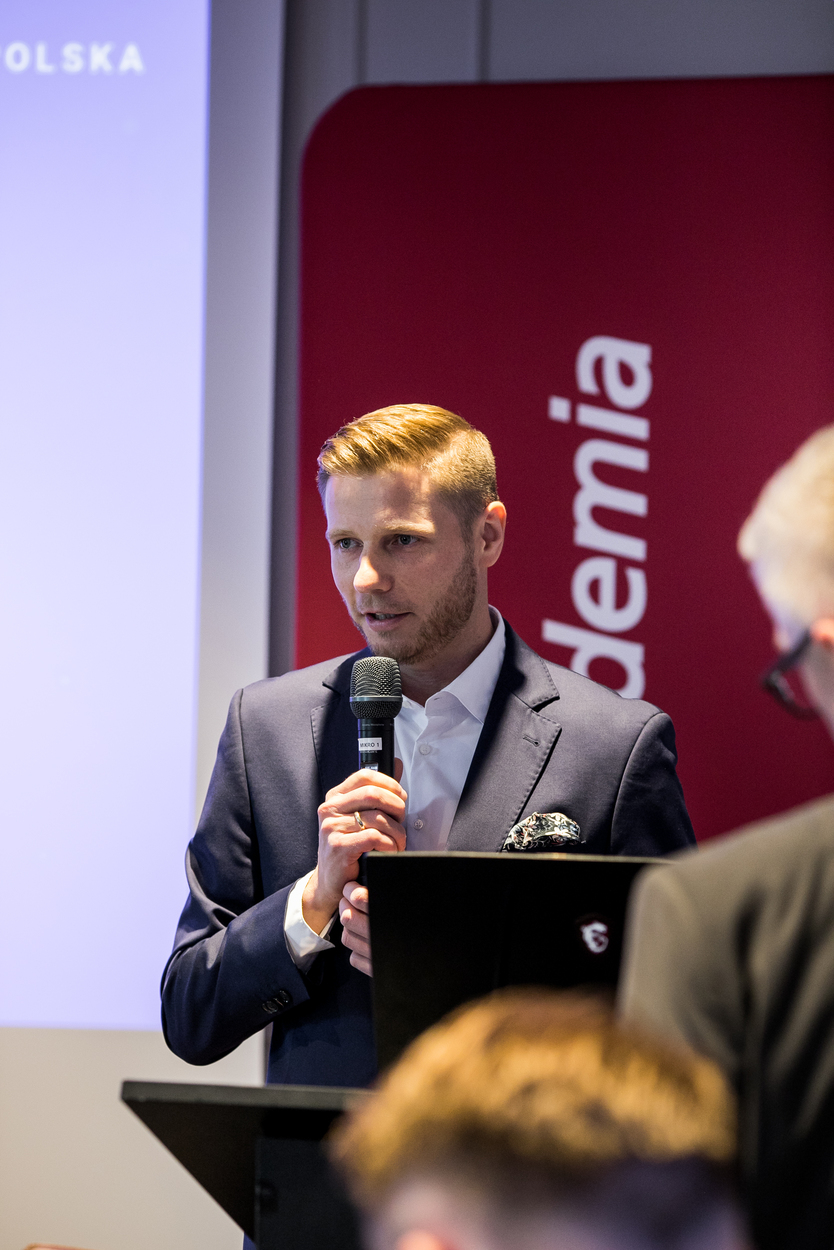
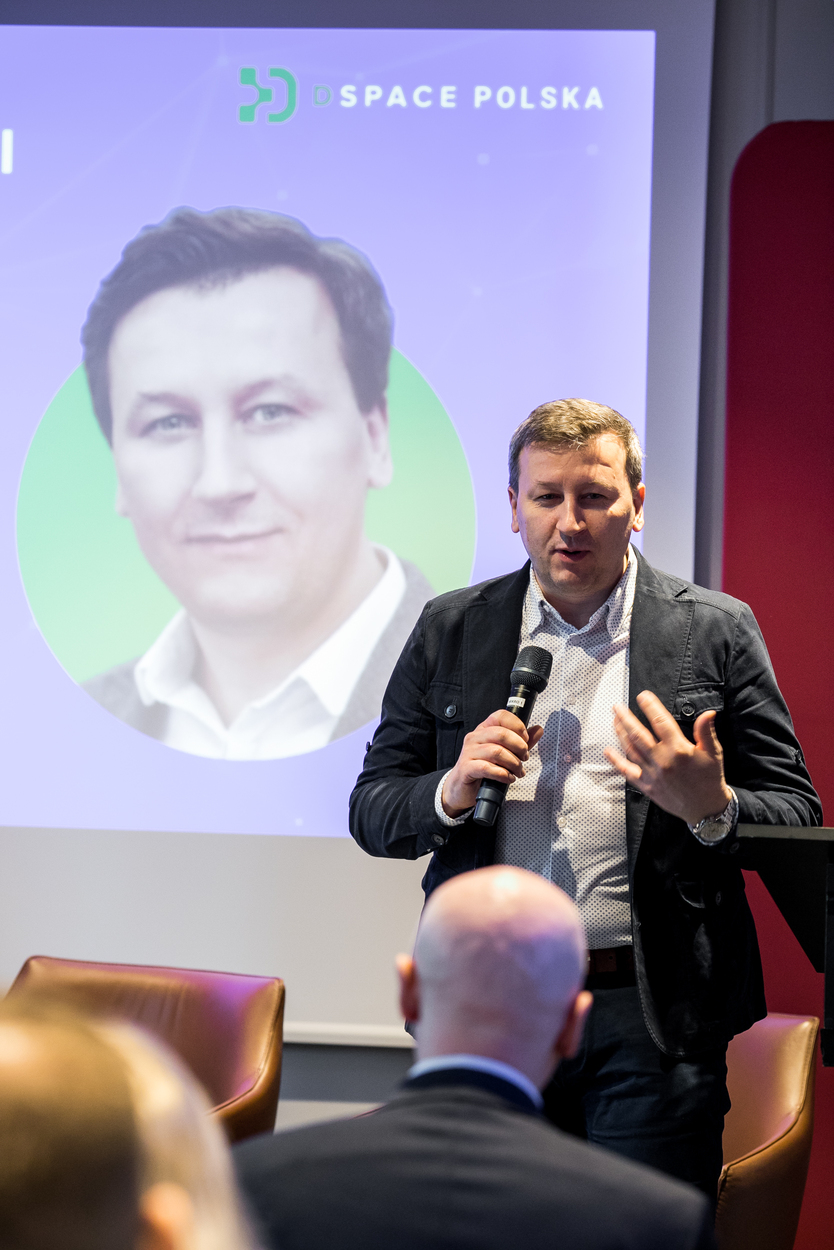
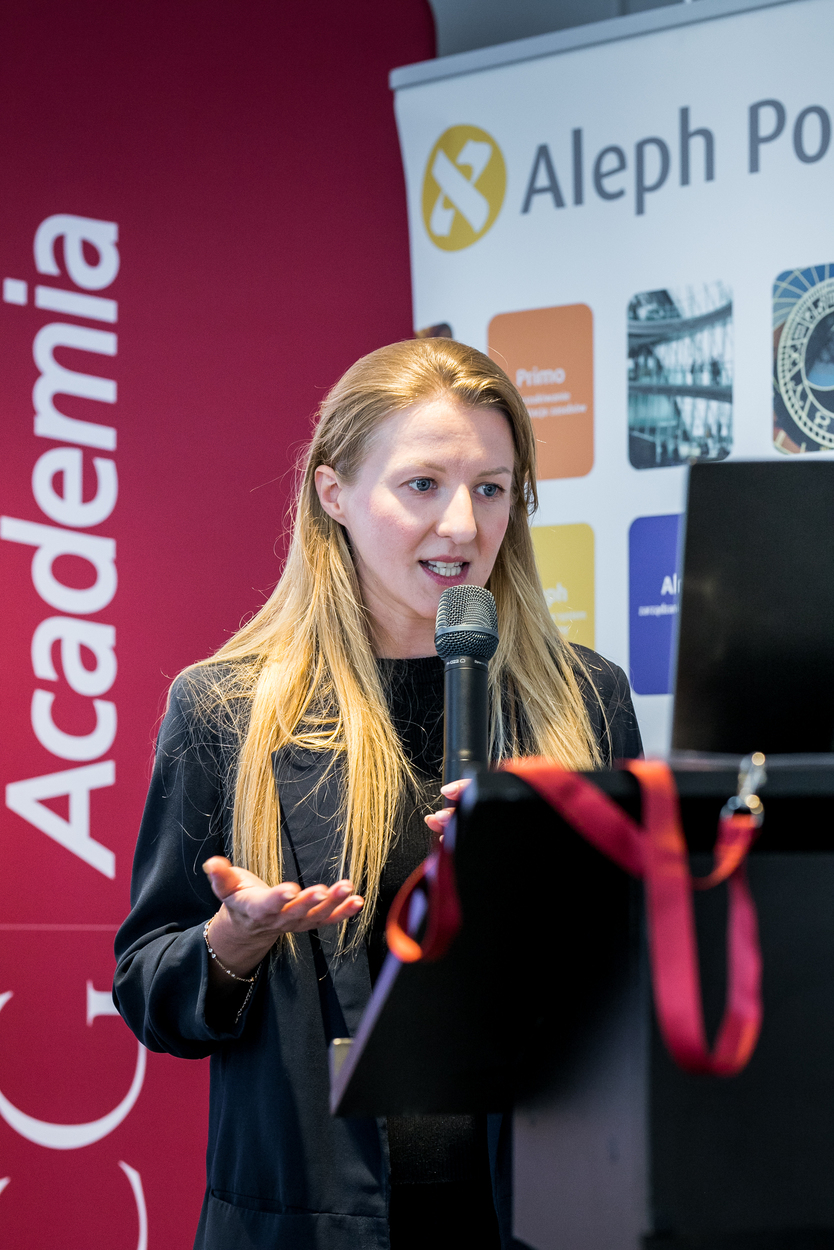
The conference was opened by Piotr Masalski (Vice President, PCG Academia) and Lukasz Wawer (Director of Development and Innovation, PCG Academia) with a presentation entitled. “DSpace: software, community, international revolution in open data management”.
The speakers presented the scale of the global development of DSpace and the growing role of Poland in this community. They emphasized that DSpace is no longer just a repository – it is a full-fledged platform for science management, inter-institutional cooperation and reporting at national and international levels. They also pointed out how Polish implementations are contributing to the evolution of the system, becoming part of the larger global open access movement.
PRESENTATION TO DOWNLOAD
Panel discussion: digital projects and their financing
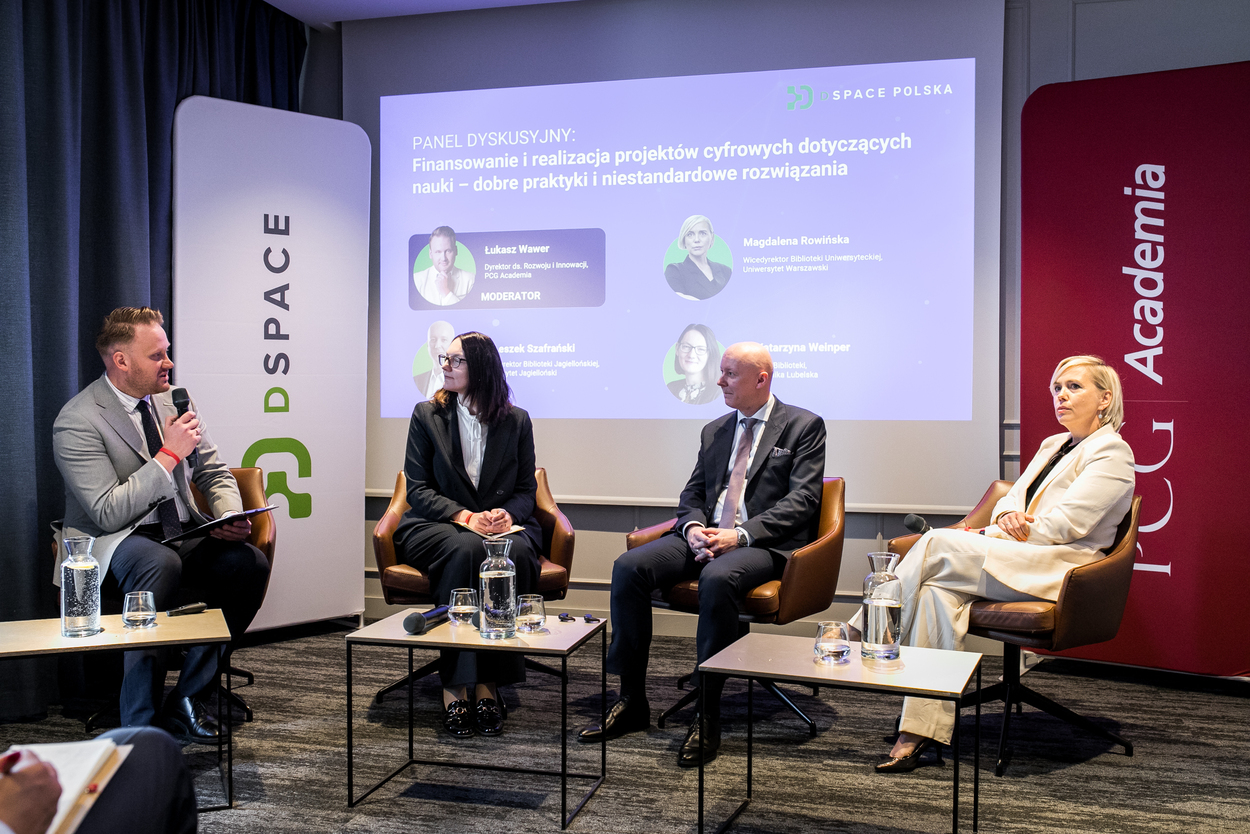
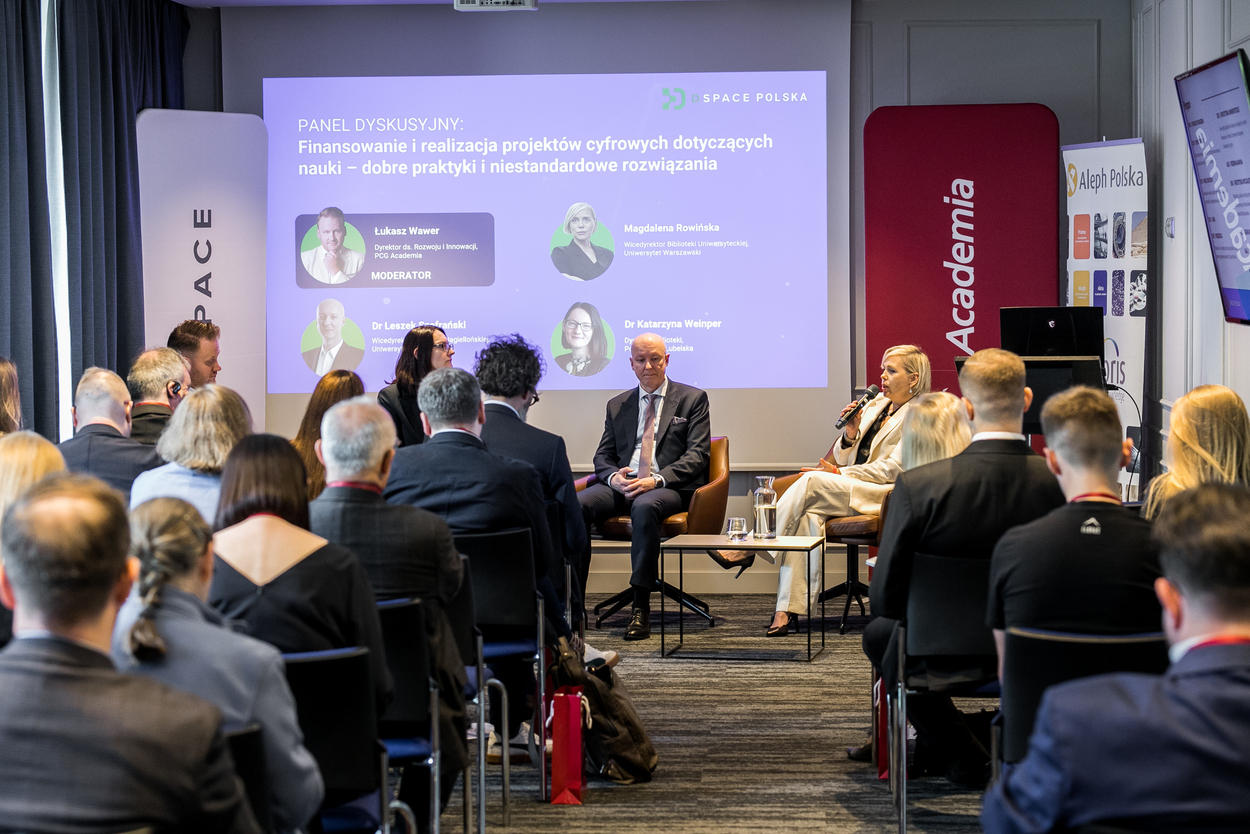
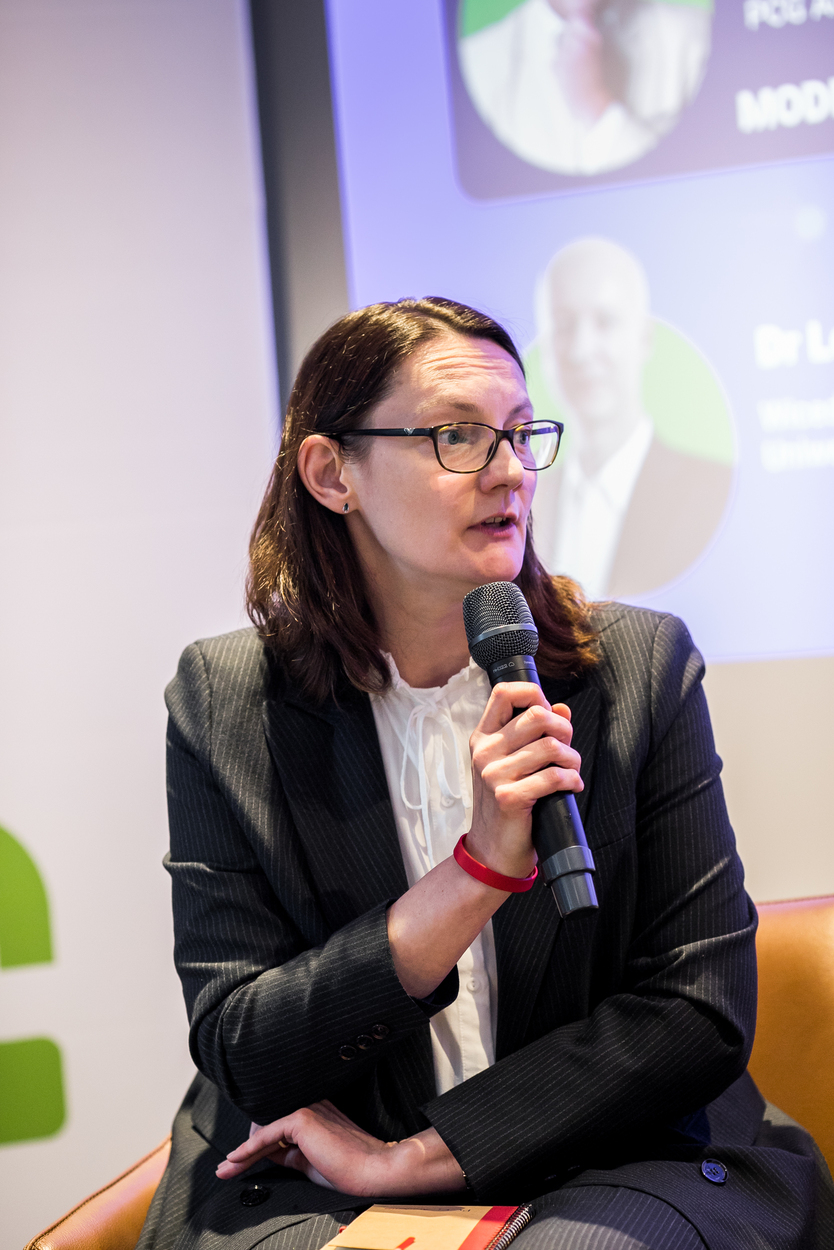
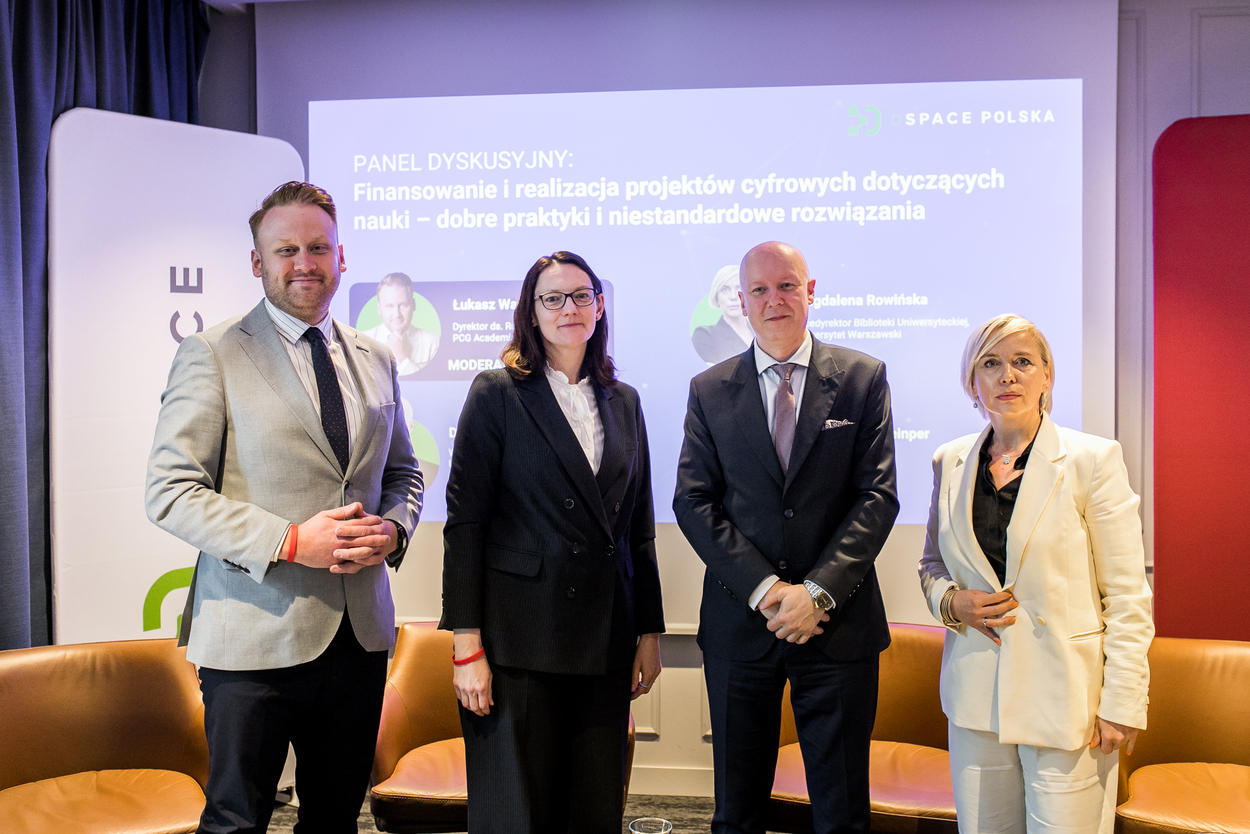
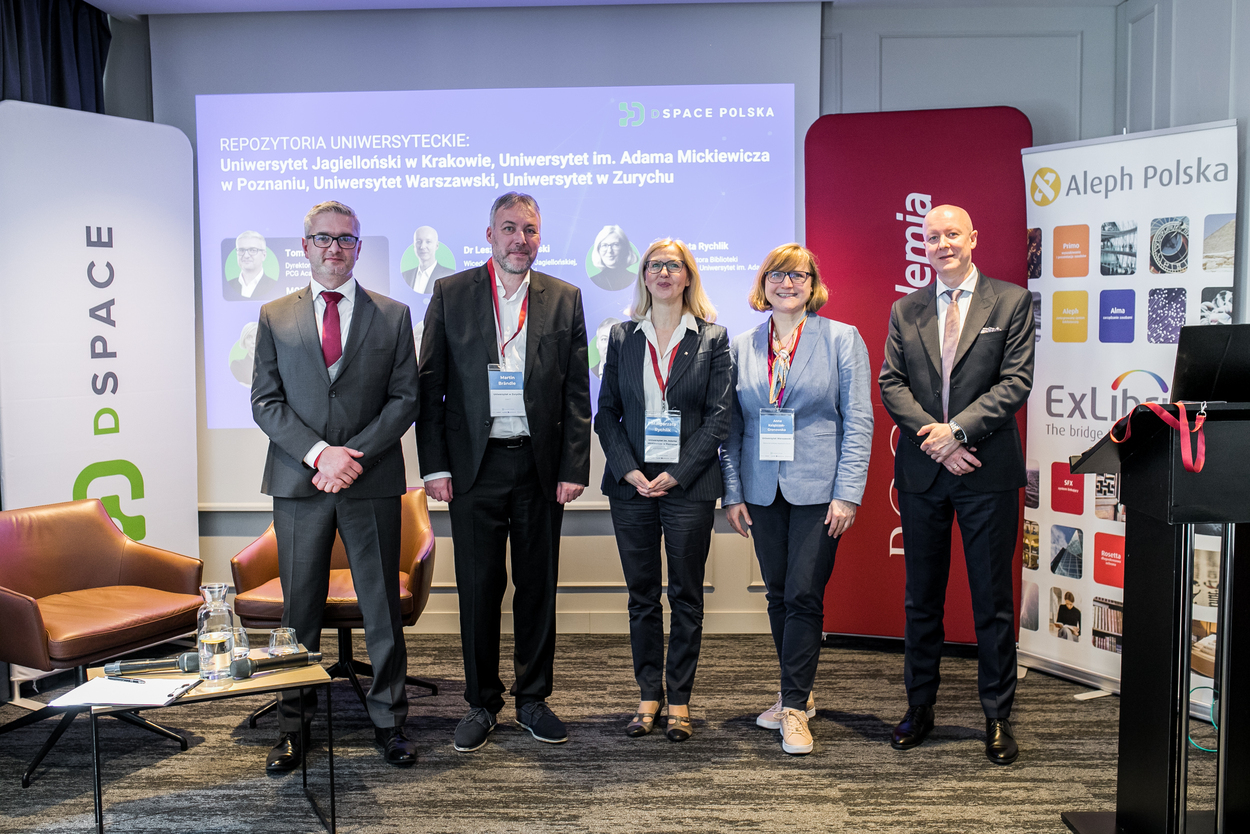
One of the key points of the program was a panel entitled “Funding and implementation of digital science projects – good practices and out-of-the-box solutions,” moderated by Lukasz Wawer (PCG Academia).
The panel included:
- Magdalena Rowińska, Deputy Director of the University Library of Warsaw
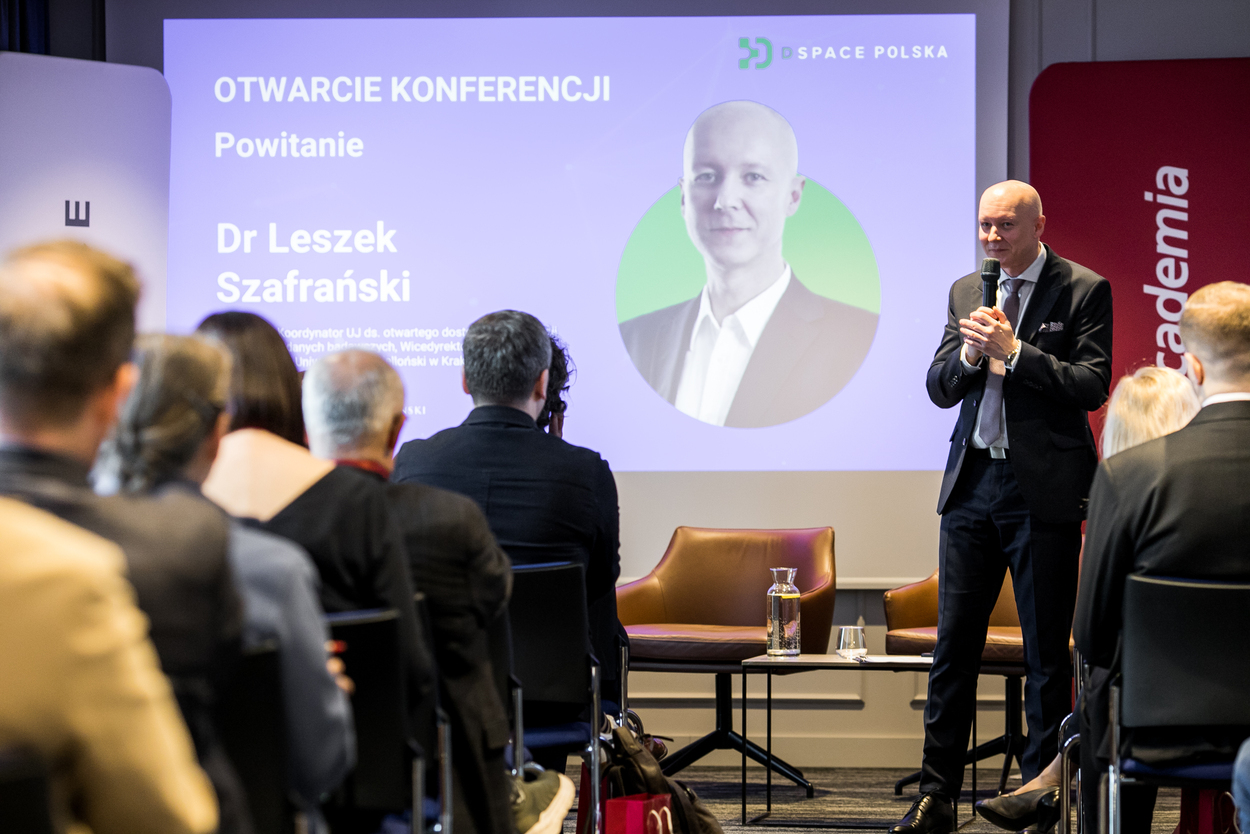
- Dr. Leszek Szafrański, UJ – open access coordinator and deputy director of the Jagiellonian Library
- Dr. Katarzyna Weinper, Director of the Center for Scientific and Technical Information, Lublin University of Technology
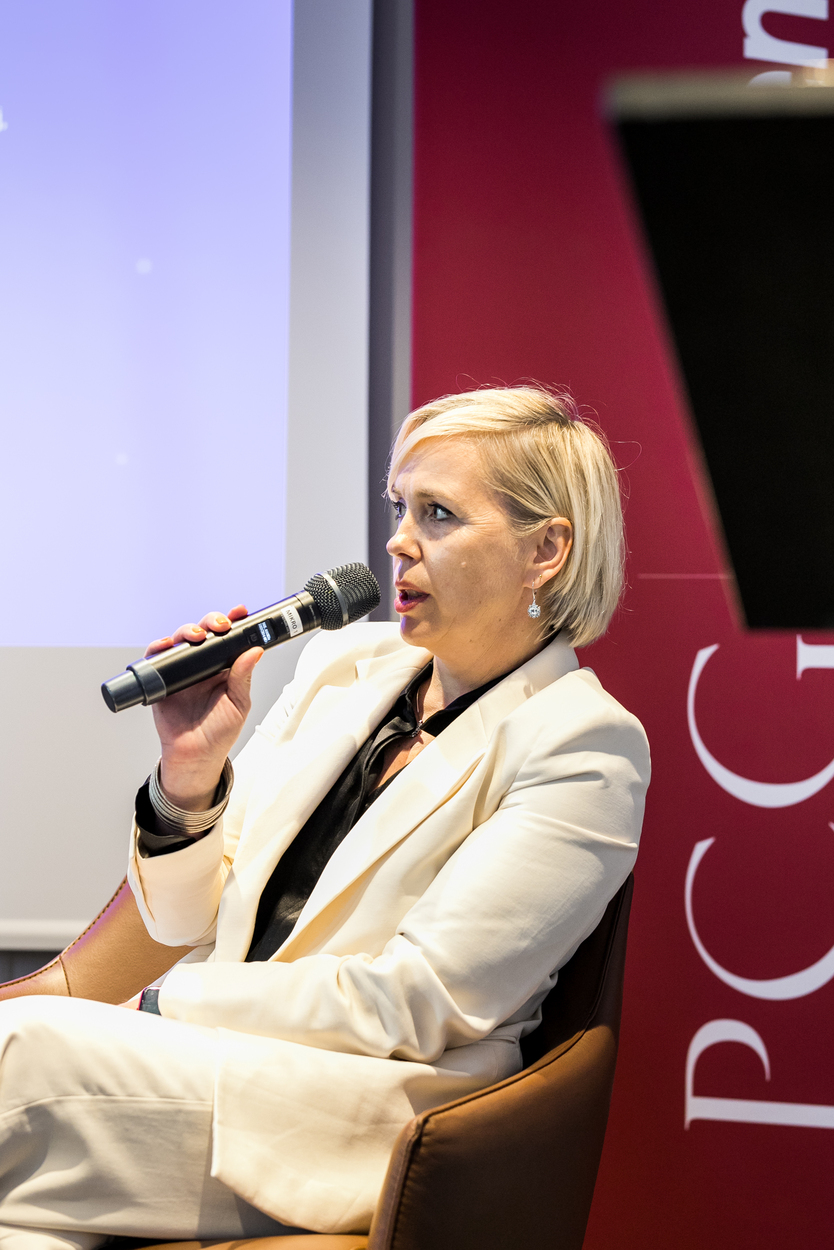
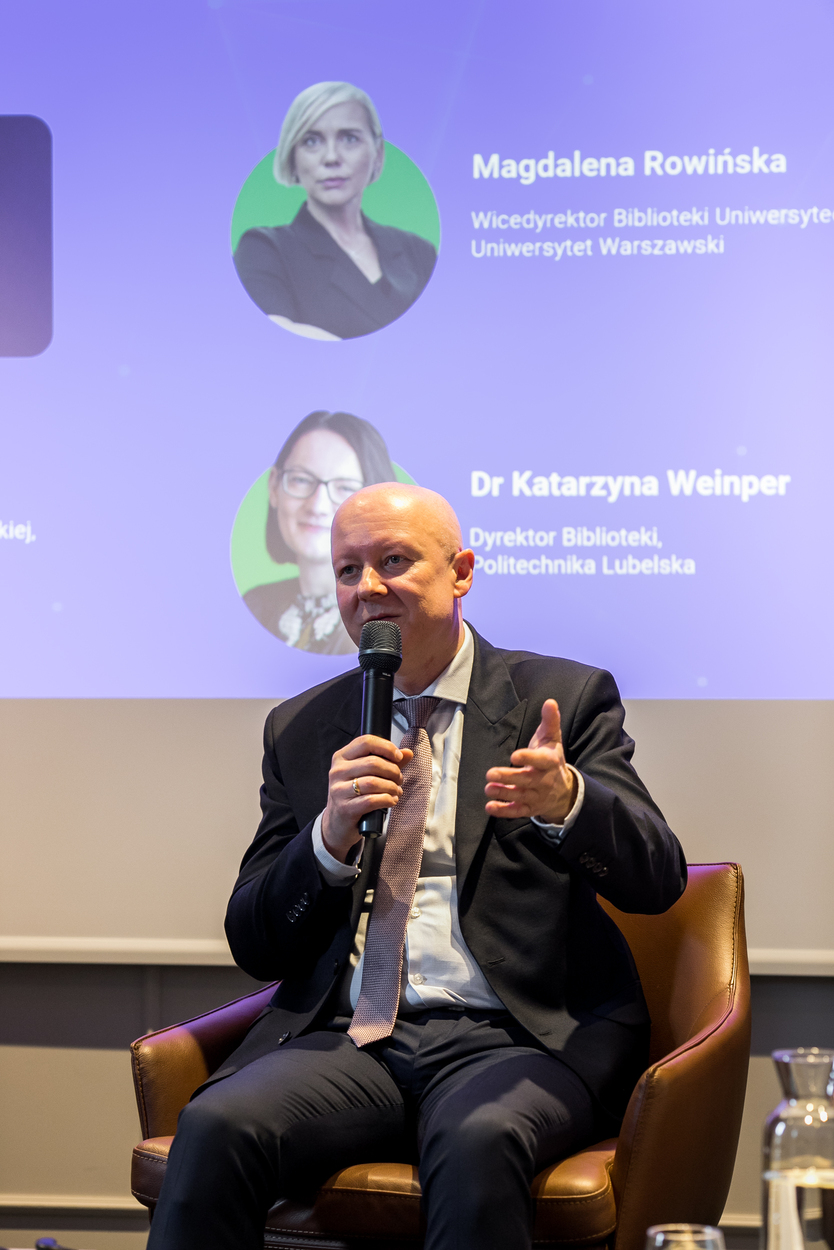
The discussion showed that successful funding of digital projects is largely an ability to combine classic sources with innovative strategies: from the use of IDUB funds, to regional and central projects, to cooperation with business. The panelists shared concrete examples of successes and challenges in implementing DSpace, expanding repositories and integrating with systems like CRIS.
PCG & Alma’s presentation: a strategic partnership for Polish universities
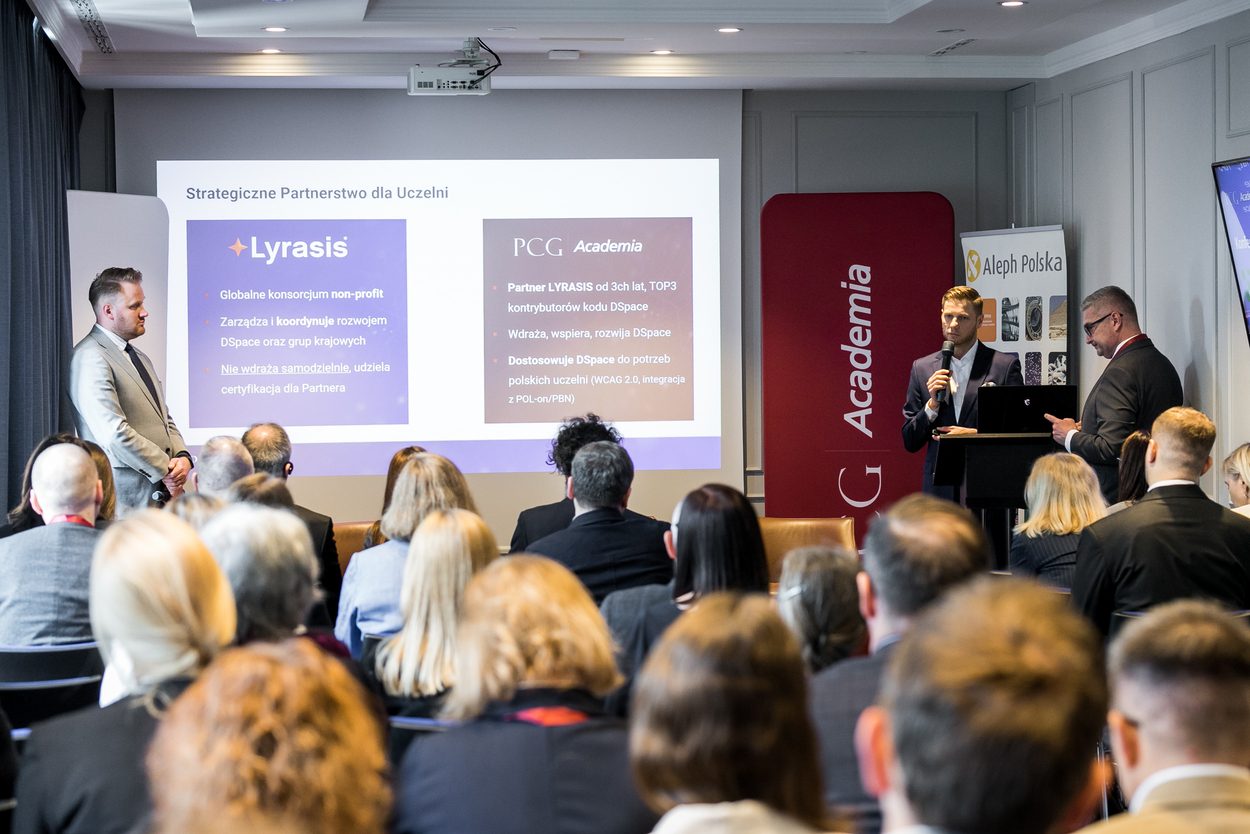
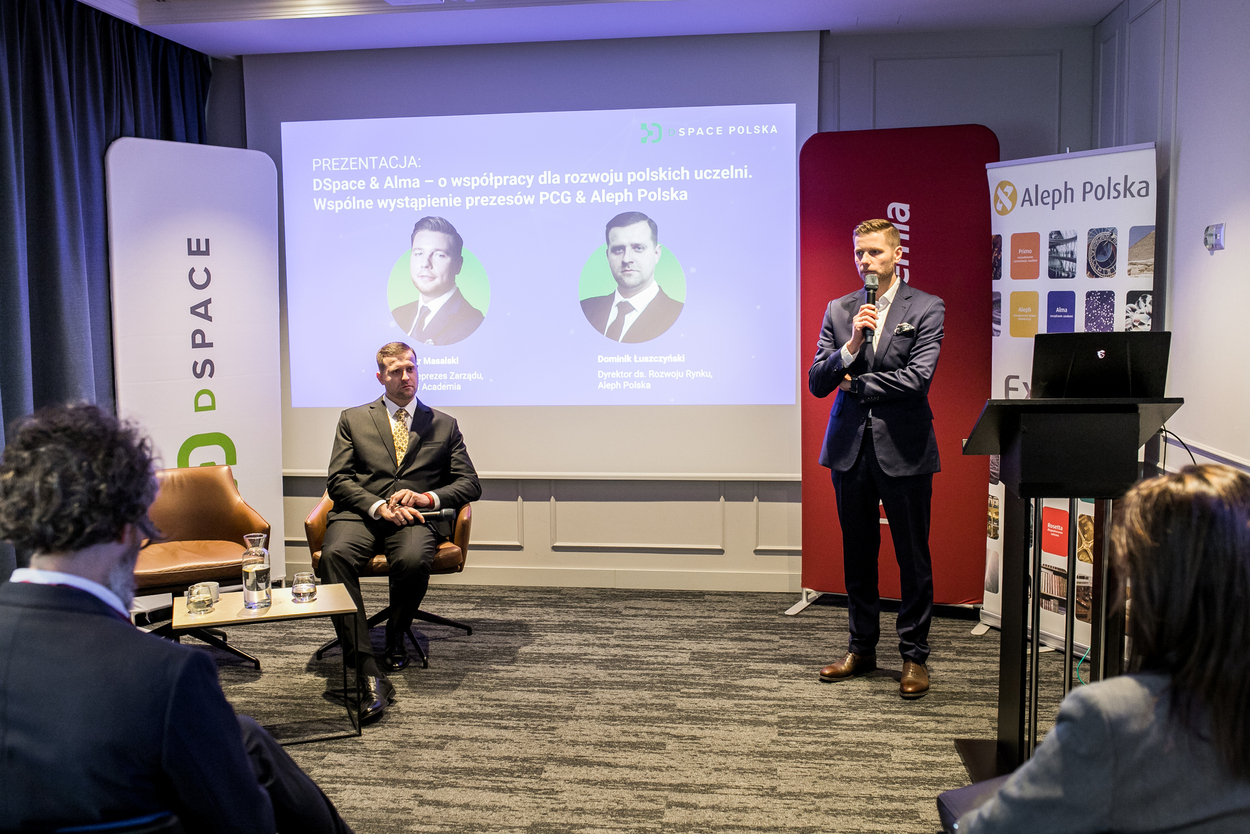
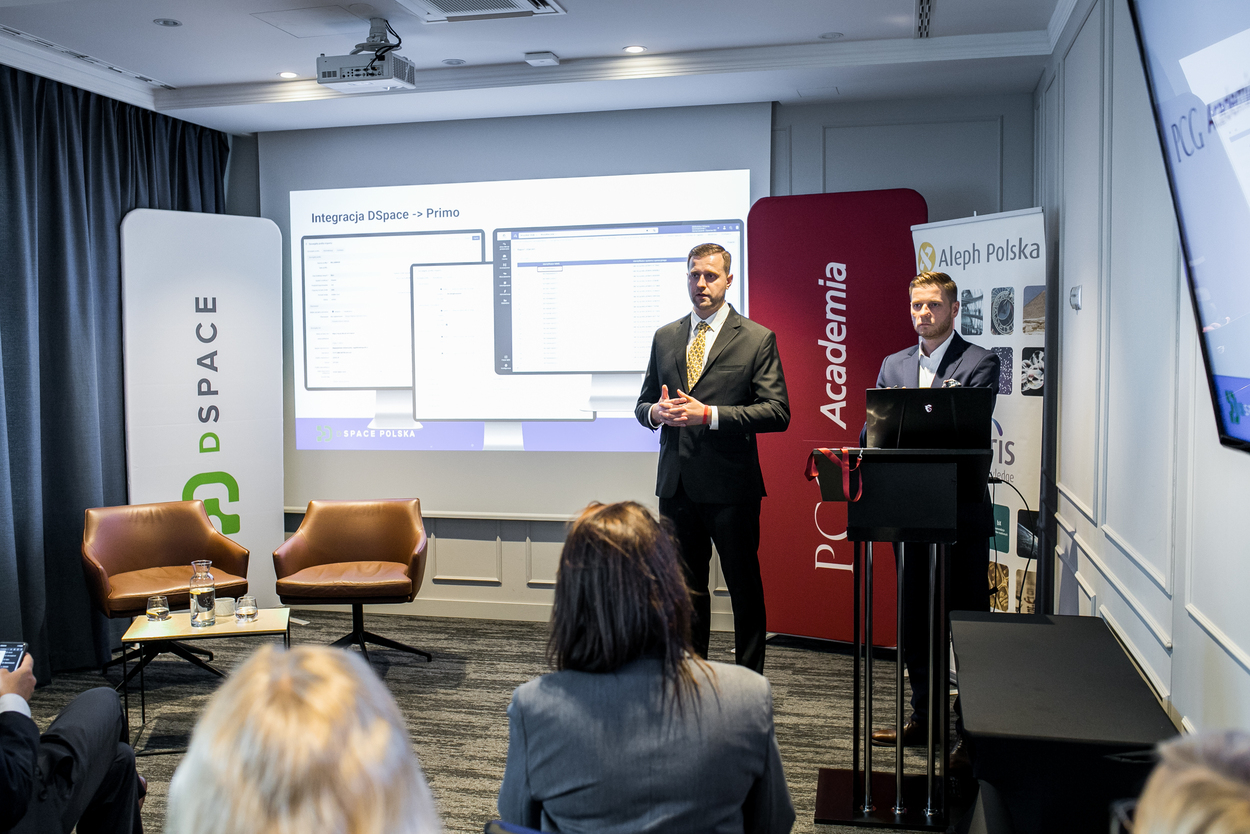
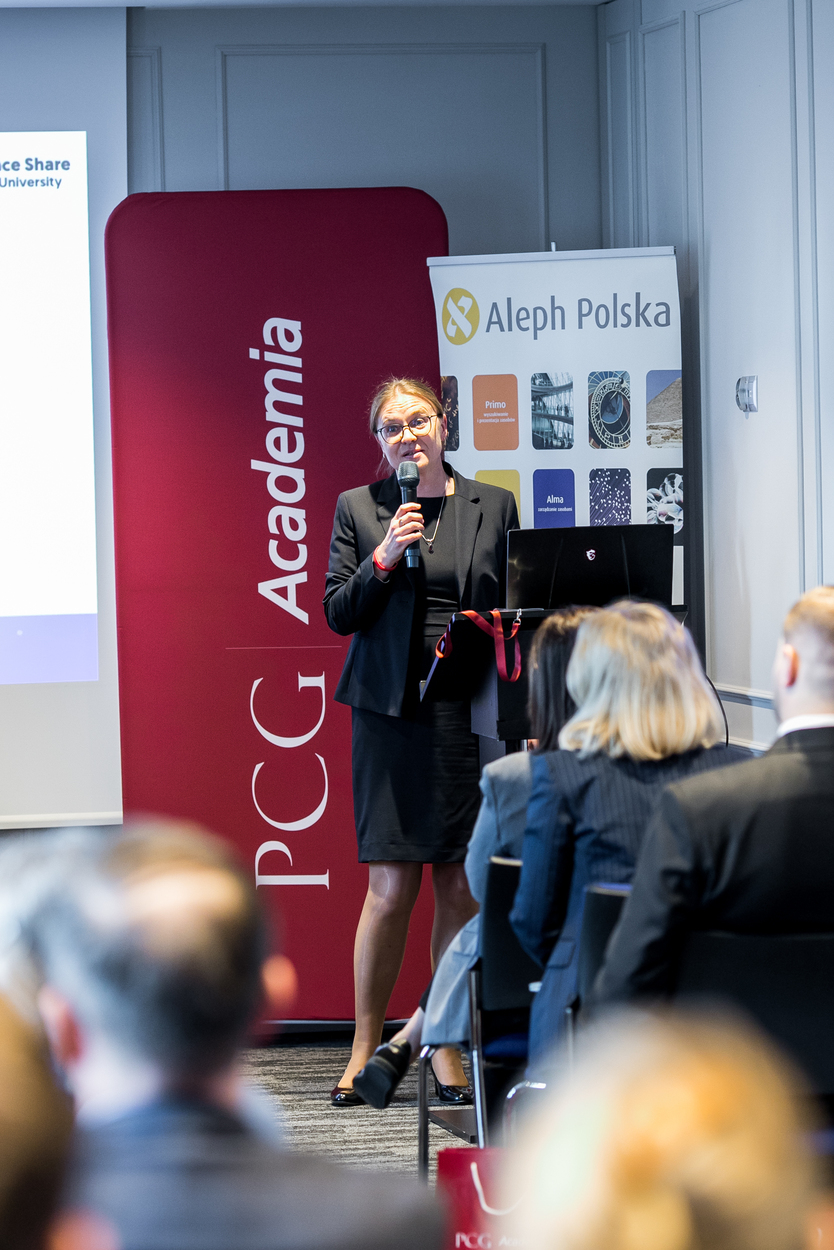
The joint presentation by Piotr Masalski (PCG Academia) and Dominik Luszczynski (Aleph Poland) entitled “DSpace & Alma – a strategic partnership for Polish universities. “DSpace & Alma – on cooperation for the development of Polish universities”.
The speakers announced closer cooperation between PCG and Aleph Polska in the integration of DSpace and Alma platforms. The goal is to create an even stronger ecosystem to support Polish academic institutions in managing publications, library resources and research data. This partnership opens up new technological opportunities, especially for universities implementing integrated systems.
PRESENTATION TO DOWNLOAD
Overview of DSpace repository implementations – DSpace as the foundation of modern repositories
During the conference, the most important universities and research institutions in Poland and Europe that are implementing or developing the DSpace system presented their experiences. With each successive presentation, a common message was reinforced: DSpace is not just a repository, but a comprehensive platform that grows with the needs of universities.
- Jagiellonian University – from tradition to modern CRIS
Dr. Leszek Szafranski, Jagiellonian University Open Access Coordinator and Deputy Director of the Jagiellonian Library
Jagiellonian University, the oldest university in Poland, presented one of the most advanced repositories in the country (RUJ), a fully DSpace-based infrastructure integrated with international standards such as Crossref and Scopus. Importantly, the system also connects to proprietary local solutions, making it extremely flexible. The UJ is consistently moving toward a full CRIS system, treating DSpace as its foundation. The presentation highlighted the highest level of indexing of records posted in RUJ in international aggregators and search engines.PRESENTATION TO DOWNLOAD
- Adam Mickiewicz University in Poznan – the power of open source
Małgorzata Rychlik, Deputy Director, UAM University Library
UAM’s presentation reminded the audience of DSpace’s biggest advantage – its openness. As an open source solution, DSpace gives universities full independence and the ability to develop without license fees. As an IDUB university, UAM sees DSpace as a tool to strengthen its international presence. Joining the DSpace Poland National Group is expected to be an opportunity for the university to deepen its knowledge of CRIS functions and develop them together.PRESENTATION TO DOWNLOAD
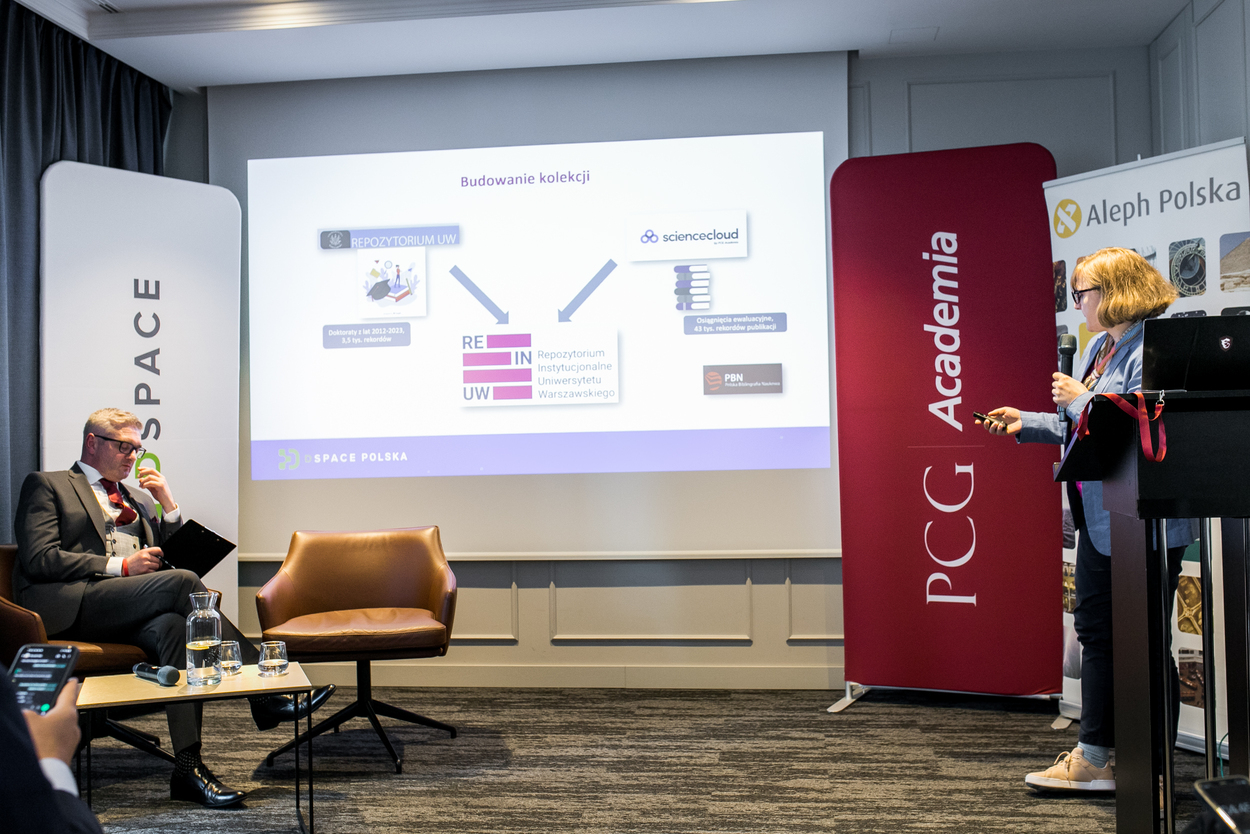
- University of Warsaw – open access oriented towards sustainable development goals
Magdalena Rowińska and Anna Książczak-Gronowska, UW University Library
The University of Warsaw has been investing in the development of its DSpace-based repository for years. The university has been steadily expanding its functionalities, and is currently focusing on integrating it with research reporting systems and implementing the reporting elements of the Sustainable Development Goals (SDGs). This shows that DSpace can be not only a tool for collecting publications, but also an active support in building the university’s responsibility to society.PRESENTATION TO DOWNLOAD
- University of Zurich – migration on a European level
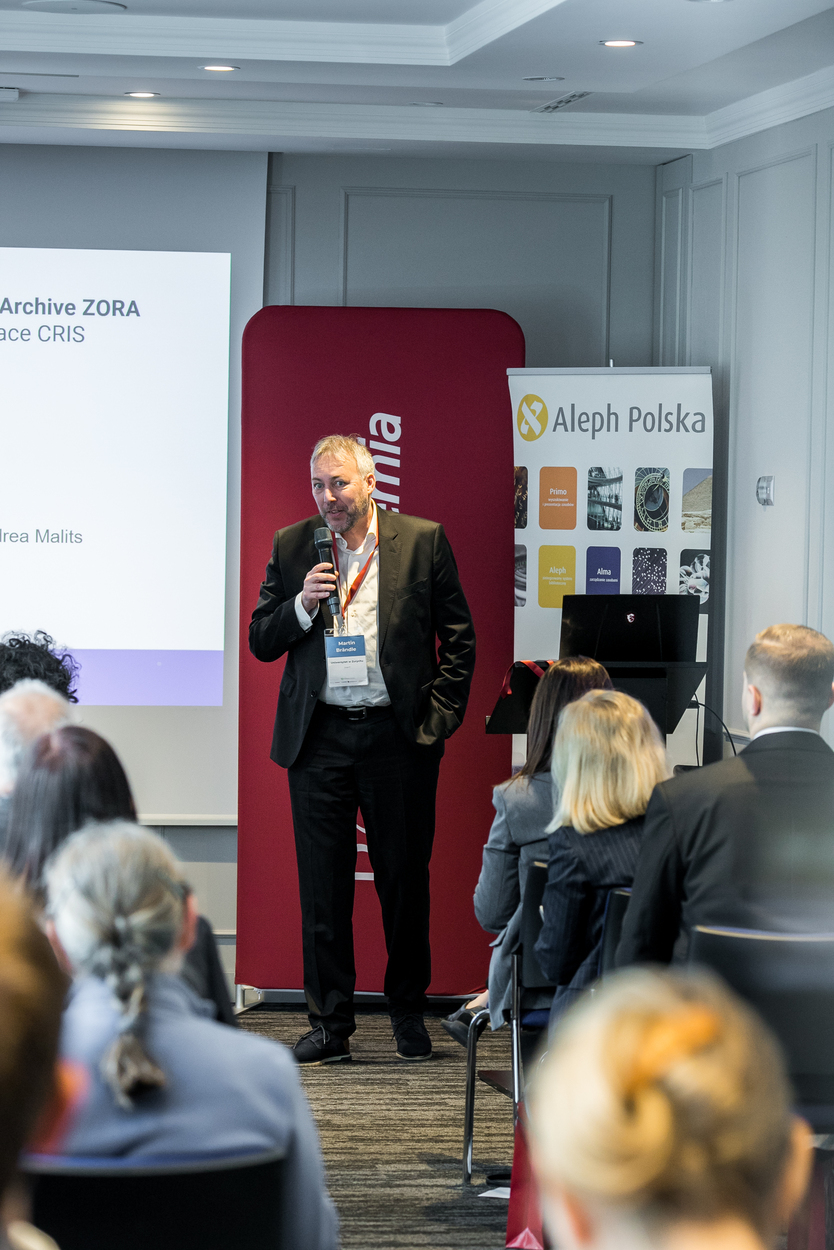
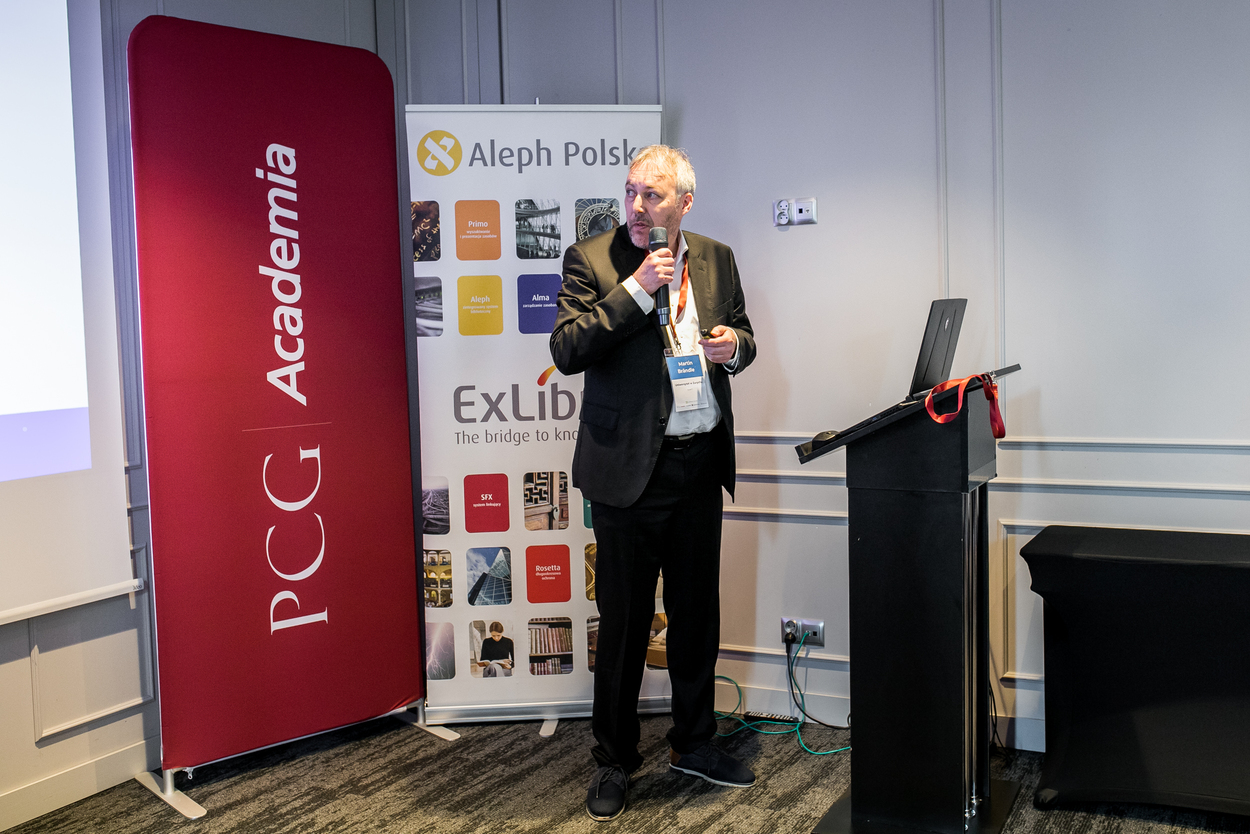
Dr. Martin Brändle, IT Department, University of Zurich
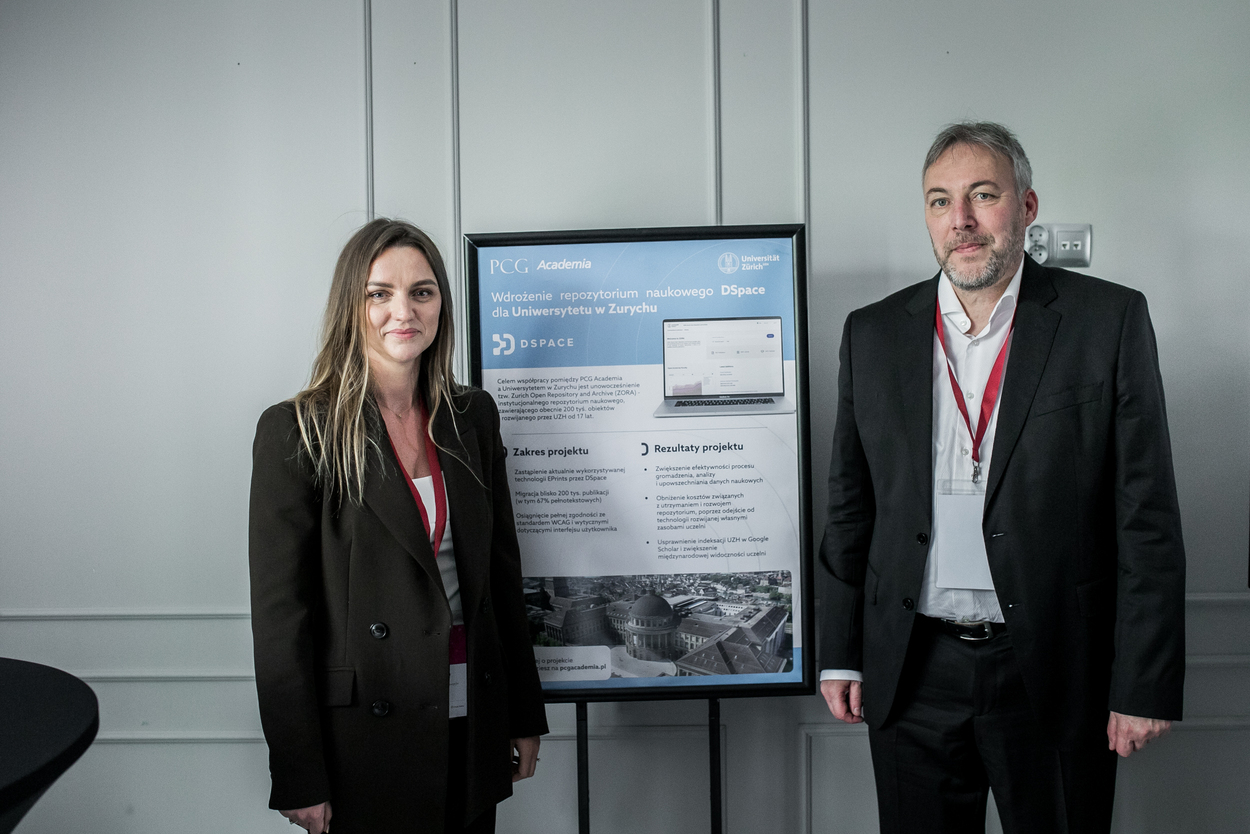
The presentation by the University of Zurich showed that DSpace is not only successfully replacing other mature systems such as EPrints, but can also perform their tasks in a much more efficient way. The migration of thousands of records and resources was carried out in cooperation with PCG Academia. The result? A stable, modern repository, which will soon be presented at the Open Repositories conference in Chicago. This proves that the experience of Polish companies and institutions resonates beyond the country’s borders as well.PRESENTATION TO DOWNLOAD
- Lublin University of Technology – DSpace as a multi-purpose platform
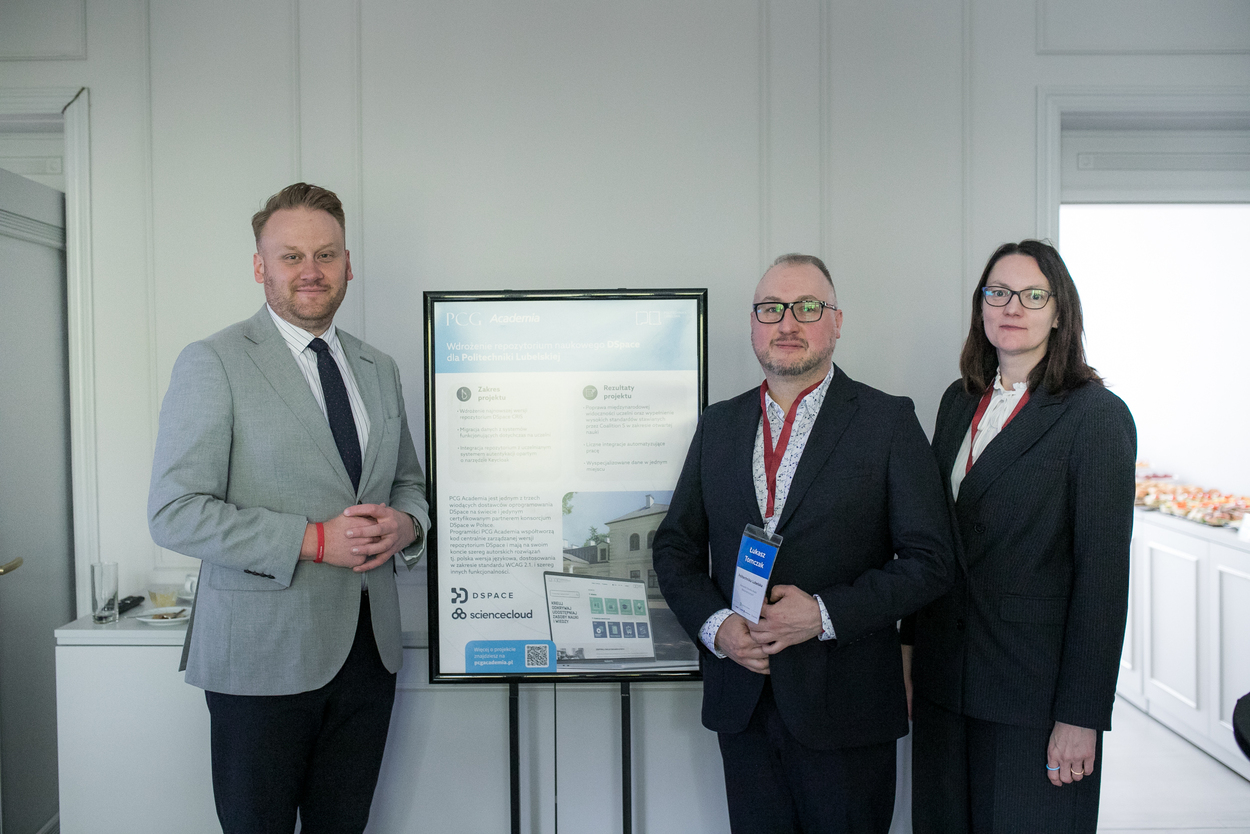
Dr. Katarzyna Weinper and Łukasz Tomczak, Center for Scientific and Technical Information
DSpace at Lublin University of Technology is more than a repository. The system also supports a patent database, industry information and a digital museum – all in one integrated infrastructure. This demonstrates the platform’s flexibility and its potential to adapt to the university’s various goals. The Polytechnic’s presentation was an inspiring example of the “one system – many functions” approach.PRESENTATION TO DOWNLOAD
- University of Warsaw / ICM – a nationwide infrastructure for open science
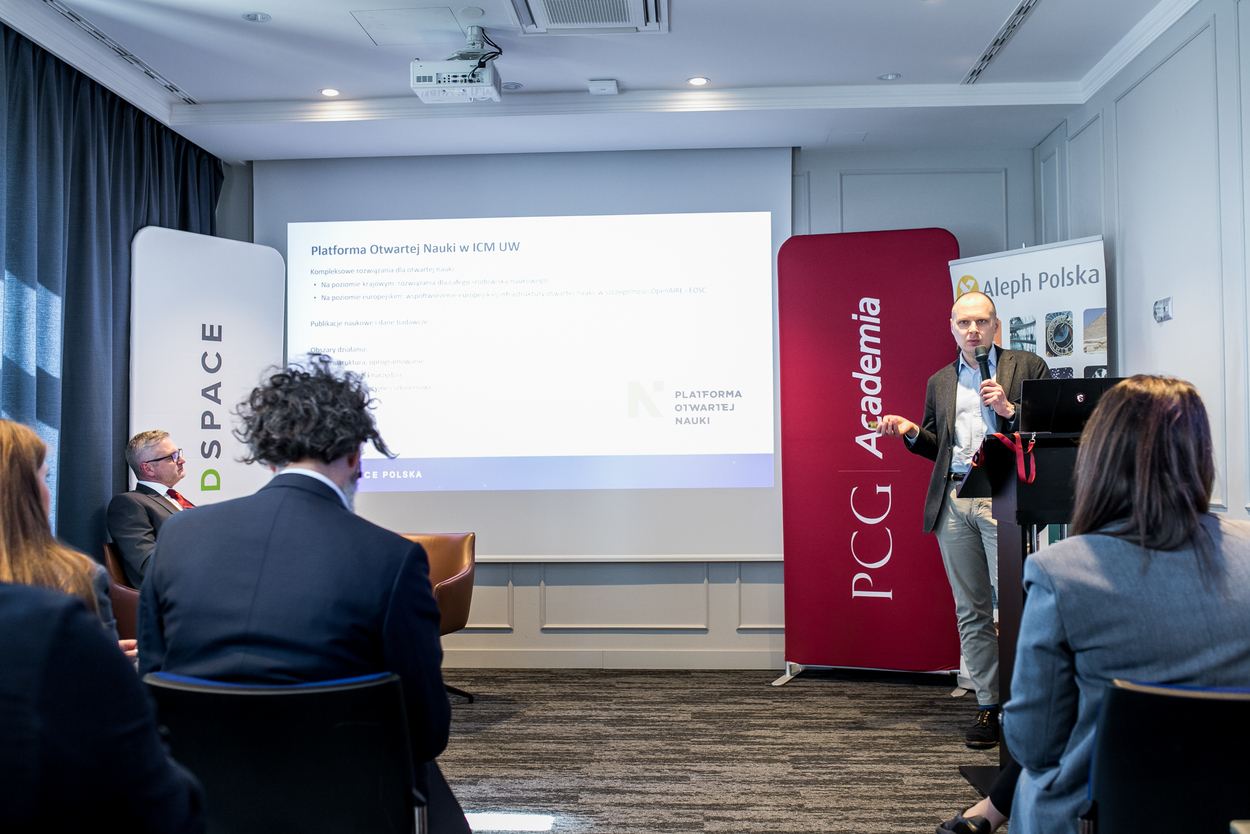
Jakub Szprot, Manager, Open Science Platform, ICM UW
The Interdisciplinary Center for Mathematical and Computer Modeling presented DSpace as the foundation of a nationwide open access repository. As an institution specializing in open science research, ICM also provides comparative analyses of the efficiency of indexing in DSpace against other platforms. The presentation confirmed that the choice of DSpace was not only technical, but also strategic and scientific.PRESENTATION DOWNLOAD
- SWPS University – research data management and evaluation
Anna Długajczyk, Data Steward, SWPS University
The SWPS presentation focused on research data management – a key area in light of legislative changes and the upcoming evaluation of science. The university has implemented an integrated system based on DSpace and Sciencecloud, which allows for comprehensive data lifecycle management. SWPS has thus joined the ranks of universities (along with UJ and UW) that focus on the synergy of technology and science.PRESENTATION TO DOWNLOAD
- Central Medical Library – a digital revolution in an institution of great tradition
Dorota Ubysz, Head of the Medical Information Center
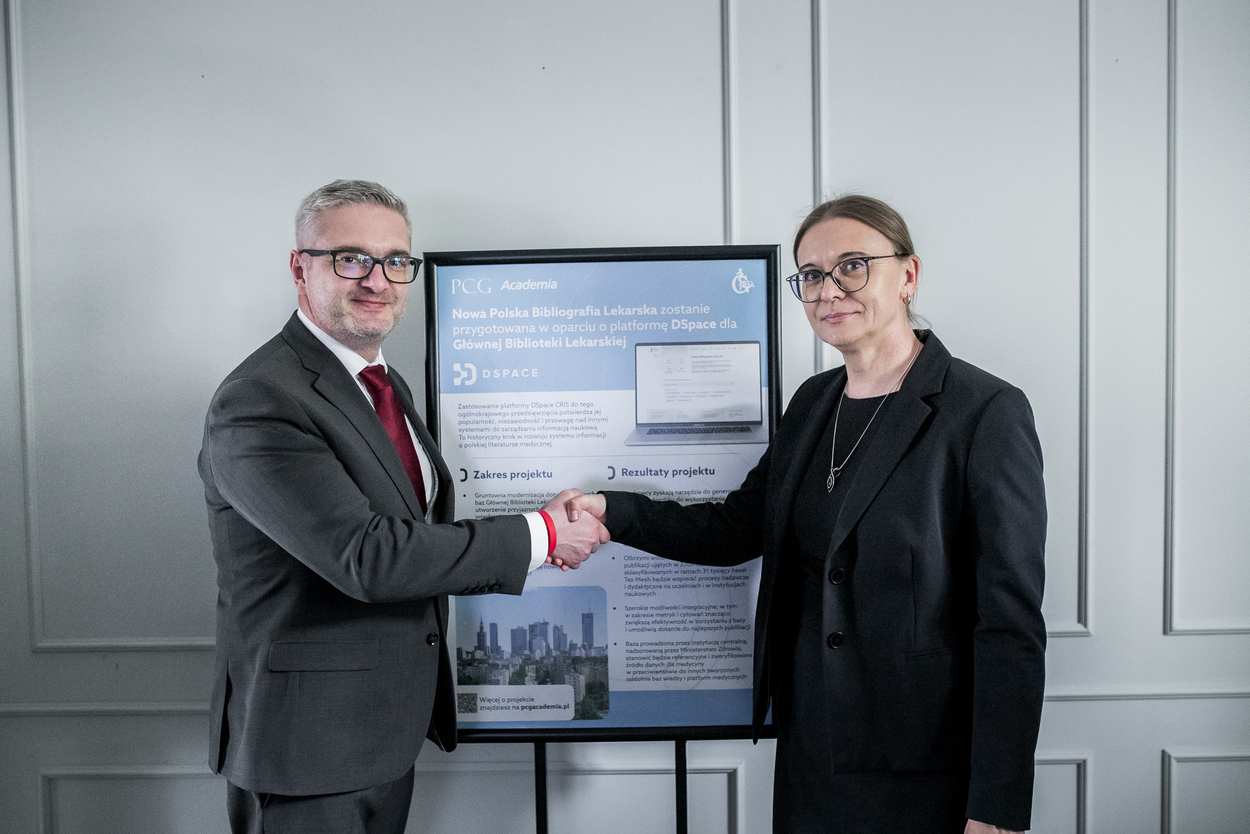
The last speech was the real culmination of the day – the Main Medical Library announced the migration of all its resources to DSpace. The project, carried out in cooperation with PCG Academia, also includes the expansion of the interface, search tools and data exchange functions with medical schools. The new solutions will be available this fall and have the potential to revolutionize the way medical institutions work with scientific knowledge.PRESENTATION TO DOWNLOAD
DSpace – a shared vision for modern knowledge management
Speeches at the conference confirm that DSpace is not just a tool, but a collaborative platform for institutions that want to effectively manage knowledge, promote open science and build their international visibility.
The conference shows the strength of the DSpace community in Poland – open, collaborative, innovative. We are pleased that more and more universities want to join the National Group and jointly shape the direction of software development and science management practices.
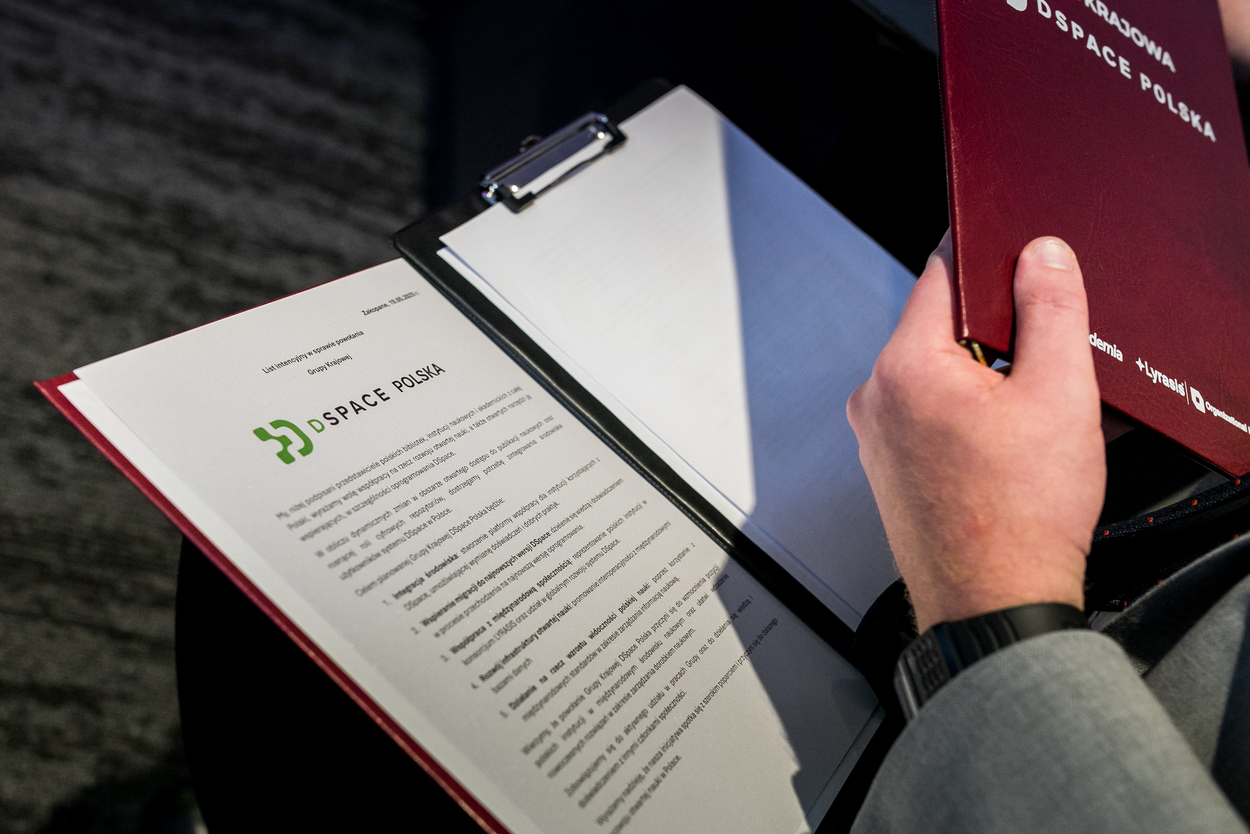
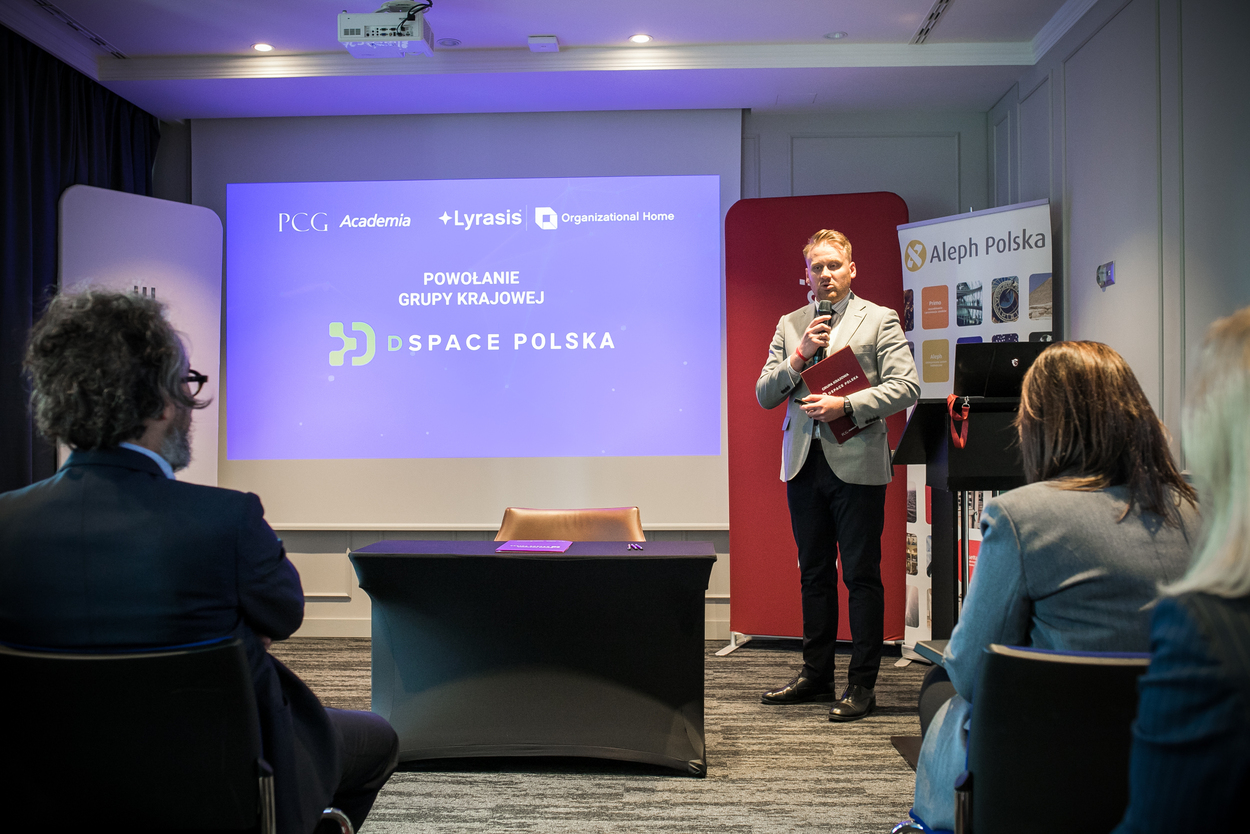
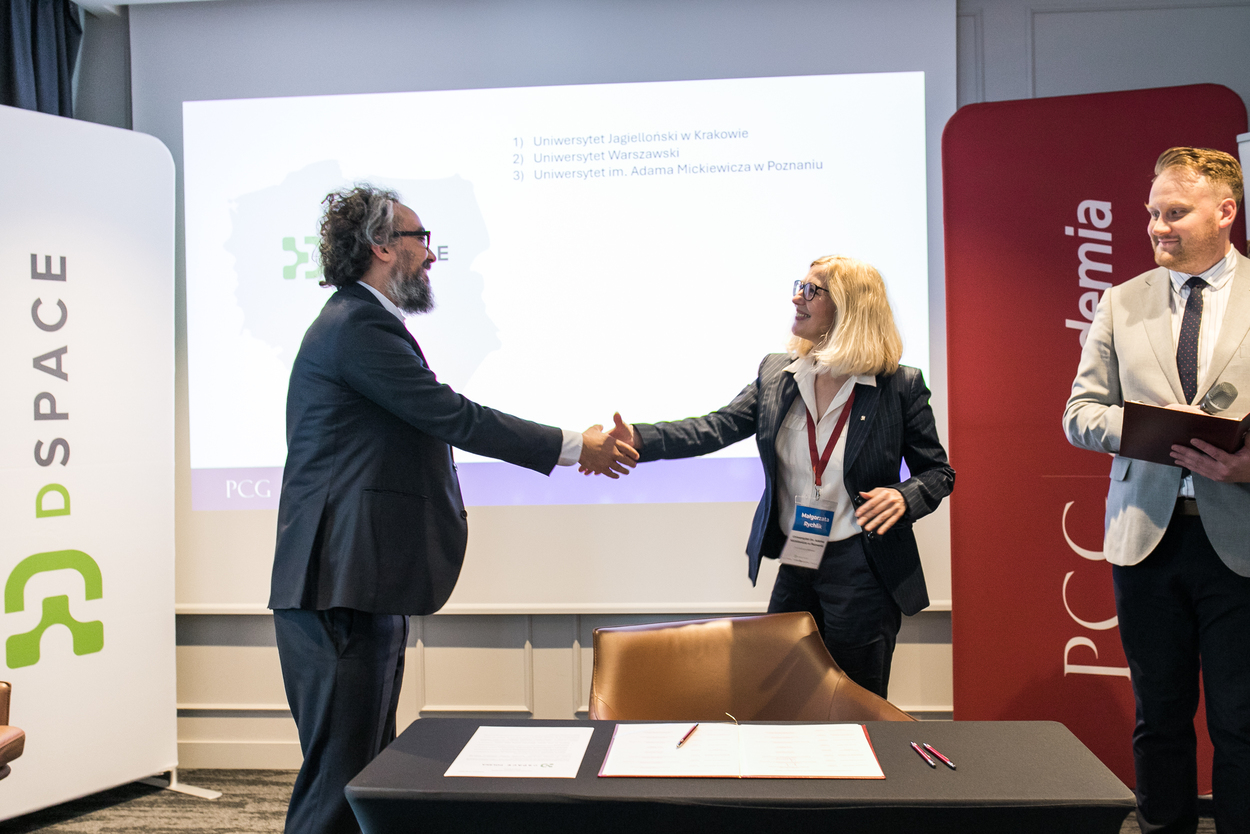
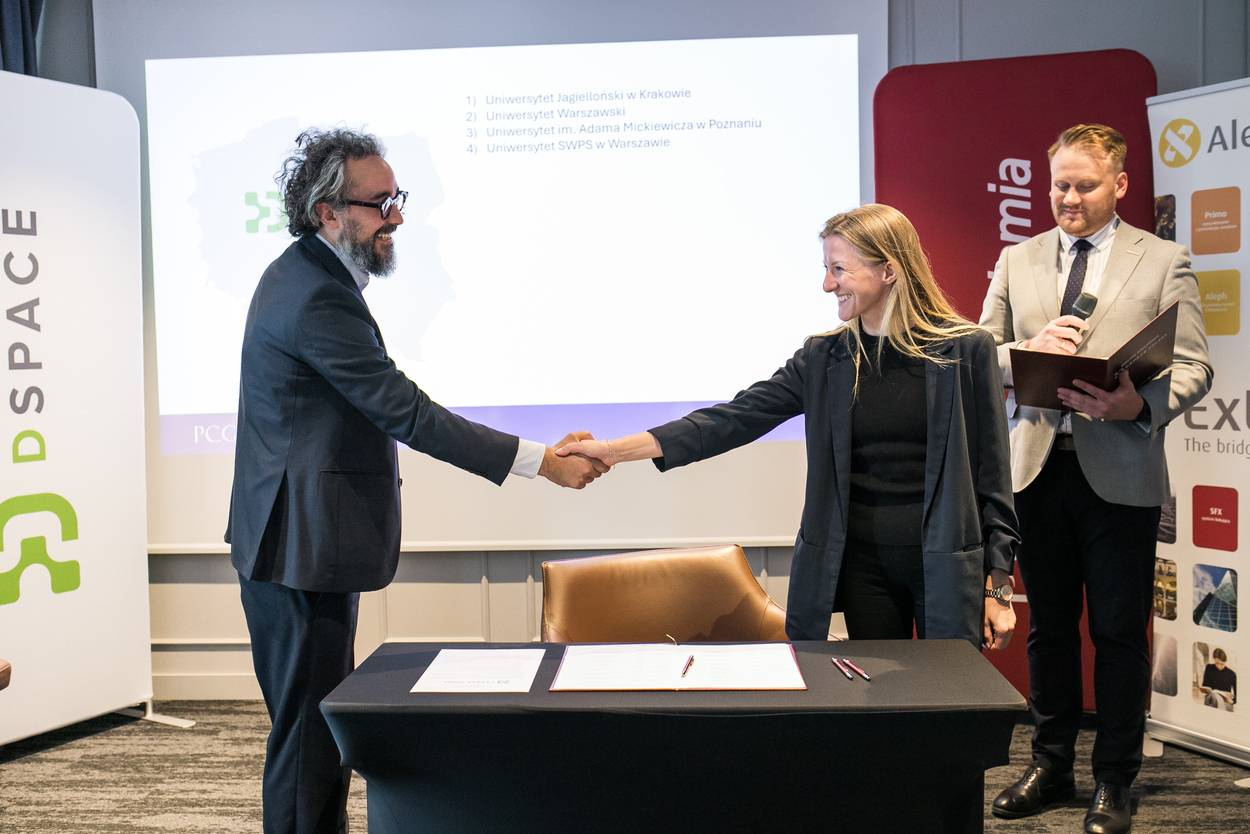
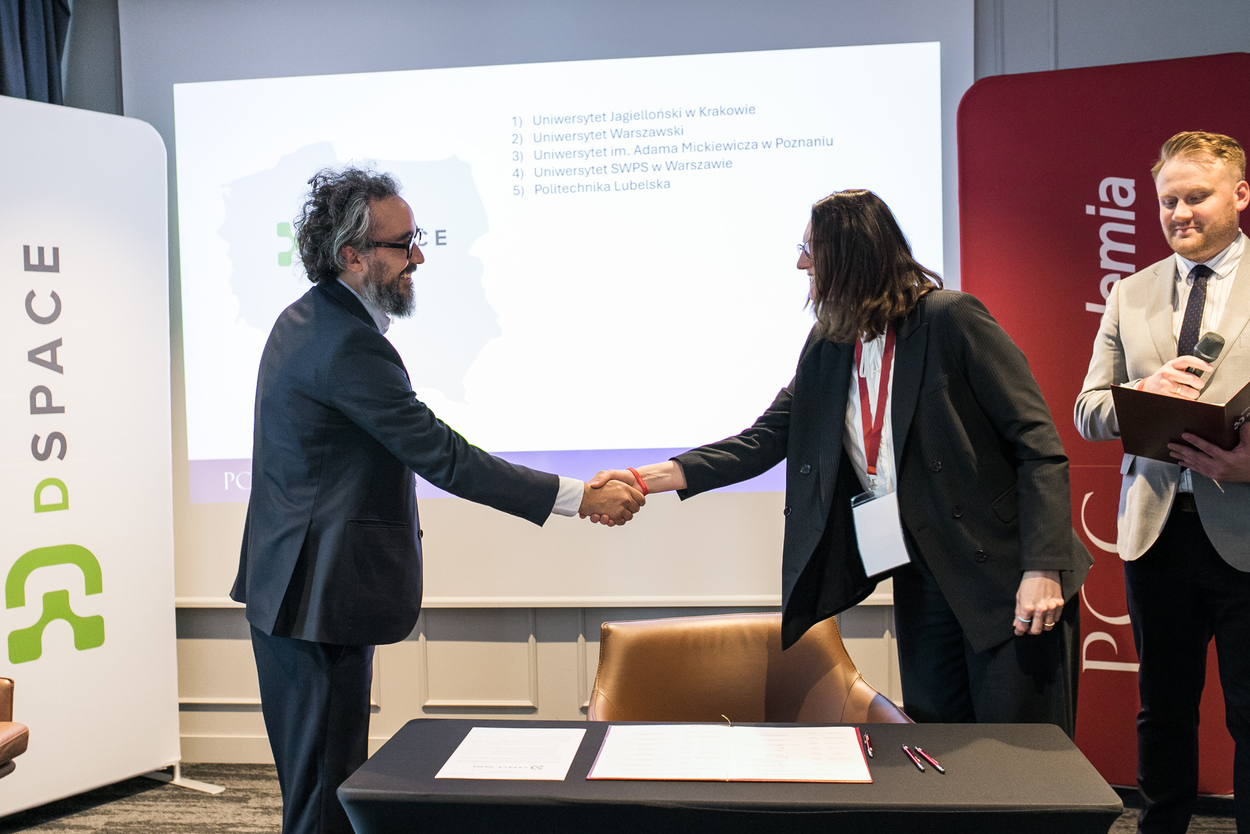
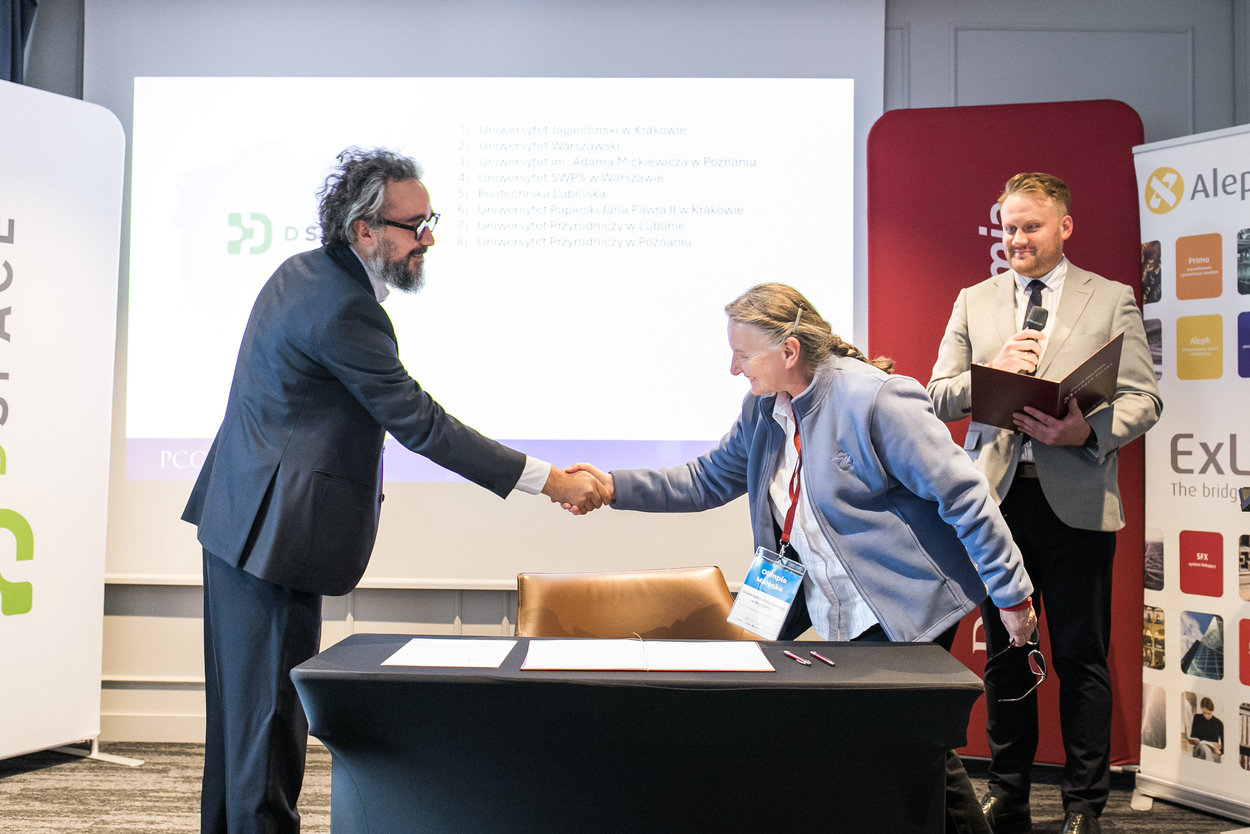
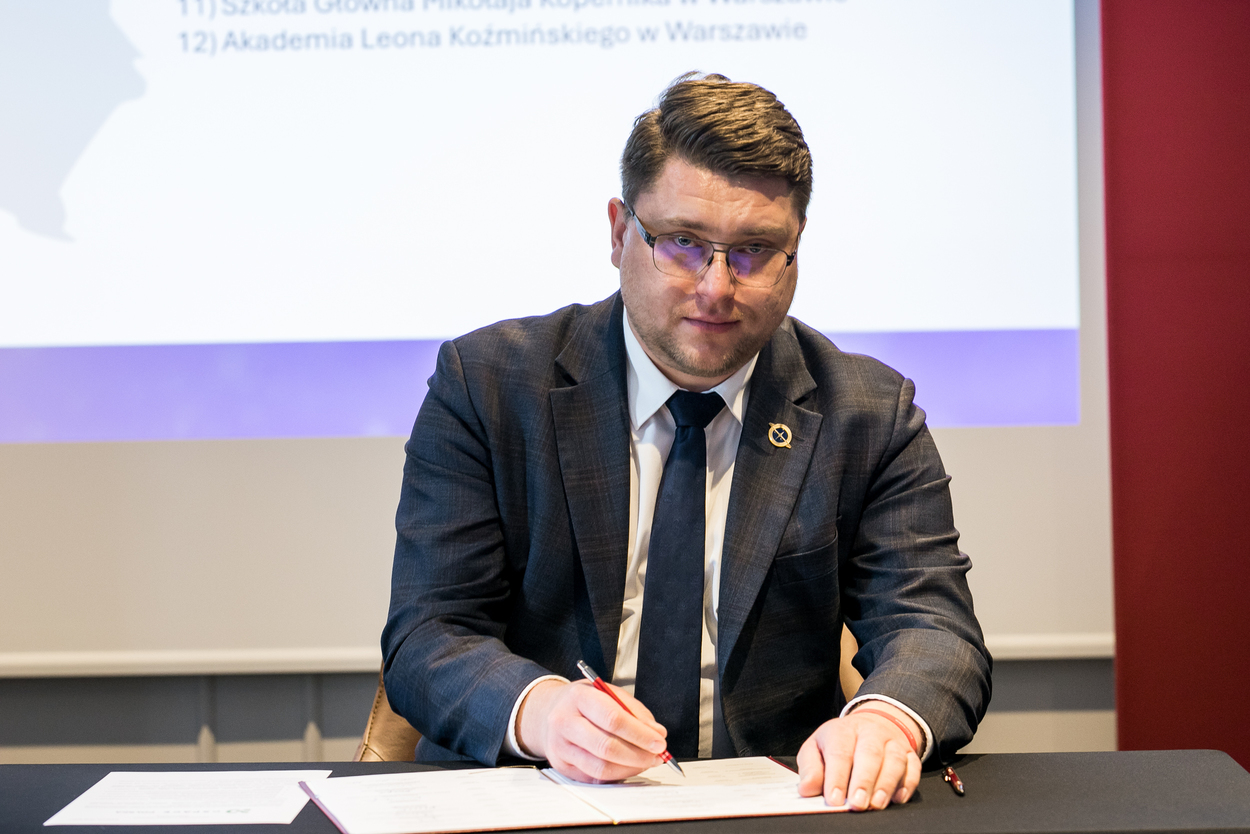
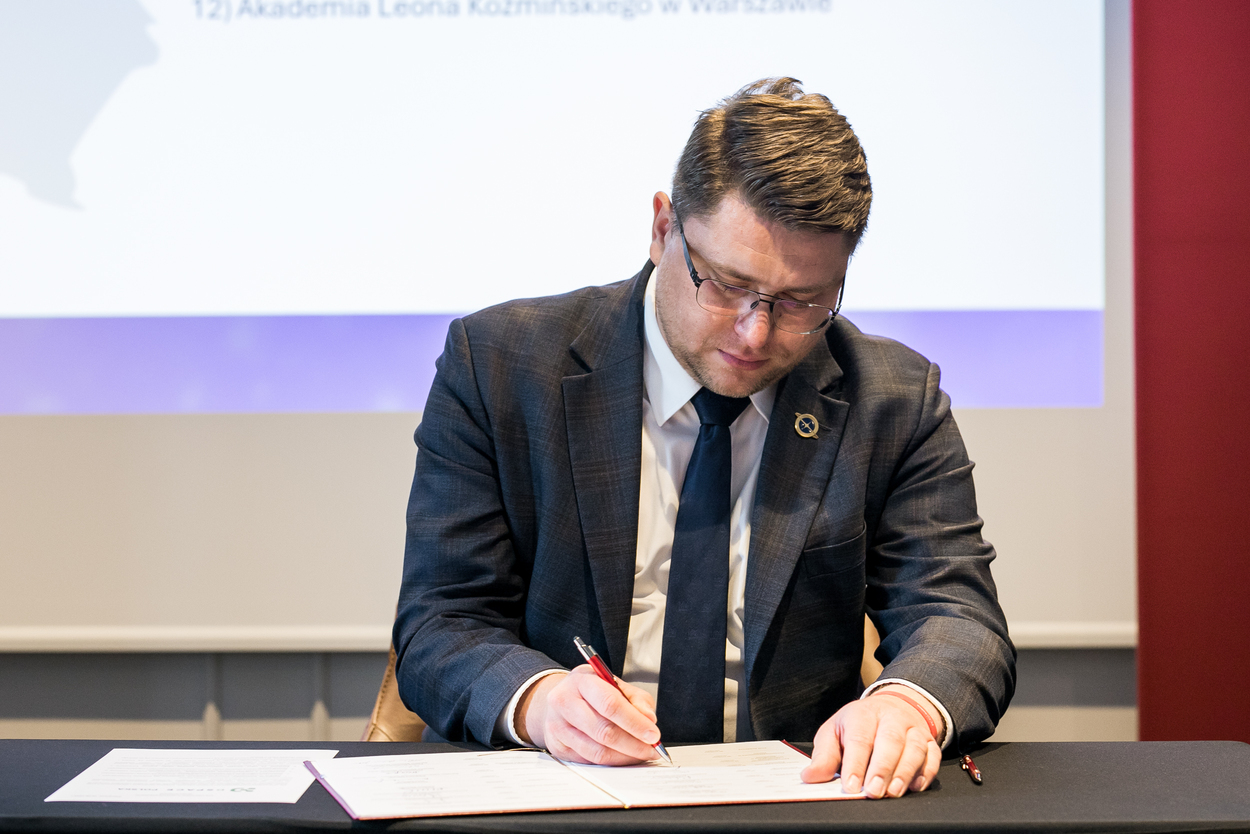
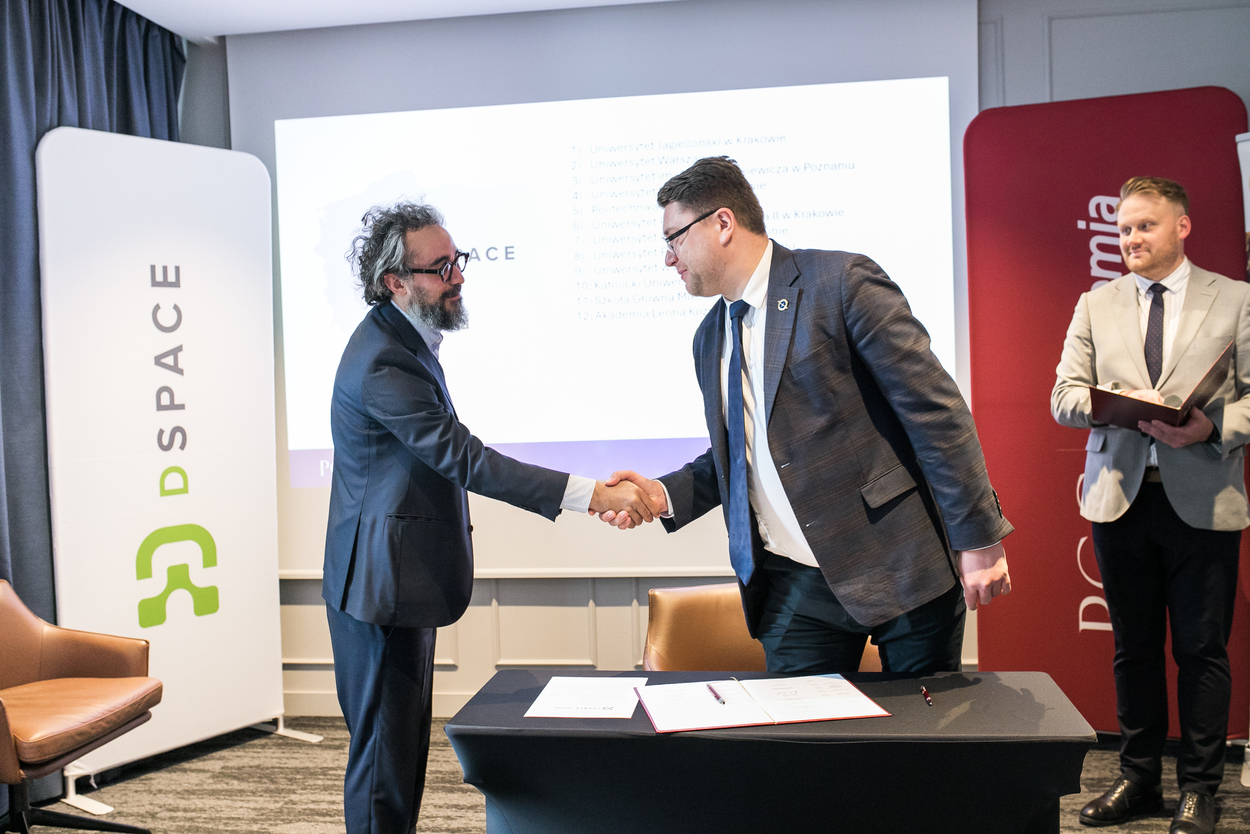
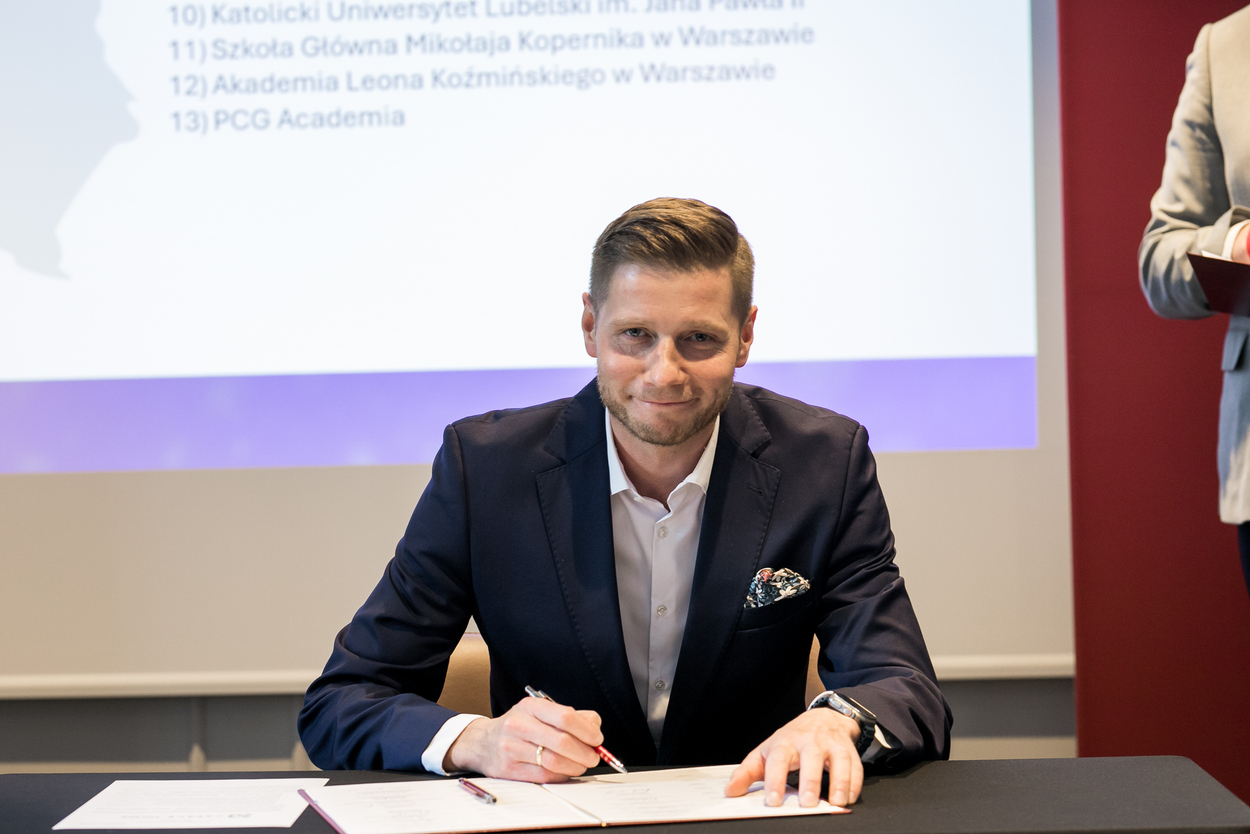
Ceremonial establishment of the DSpace Poland National Group
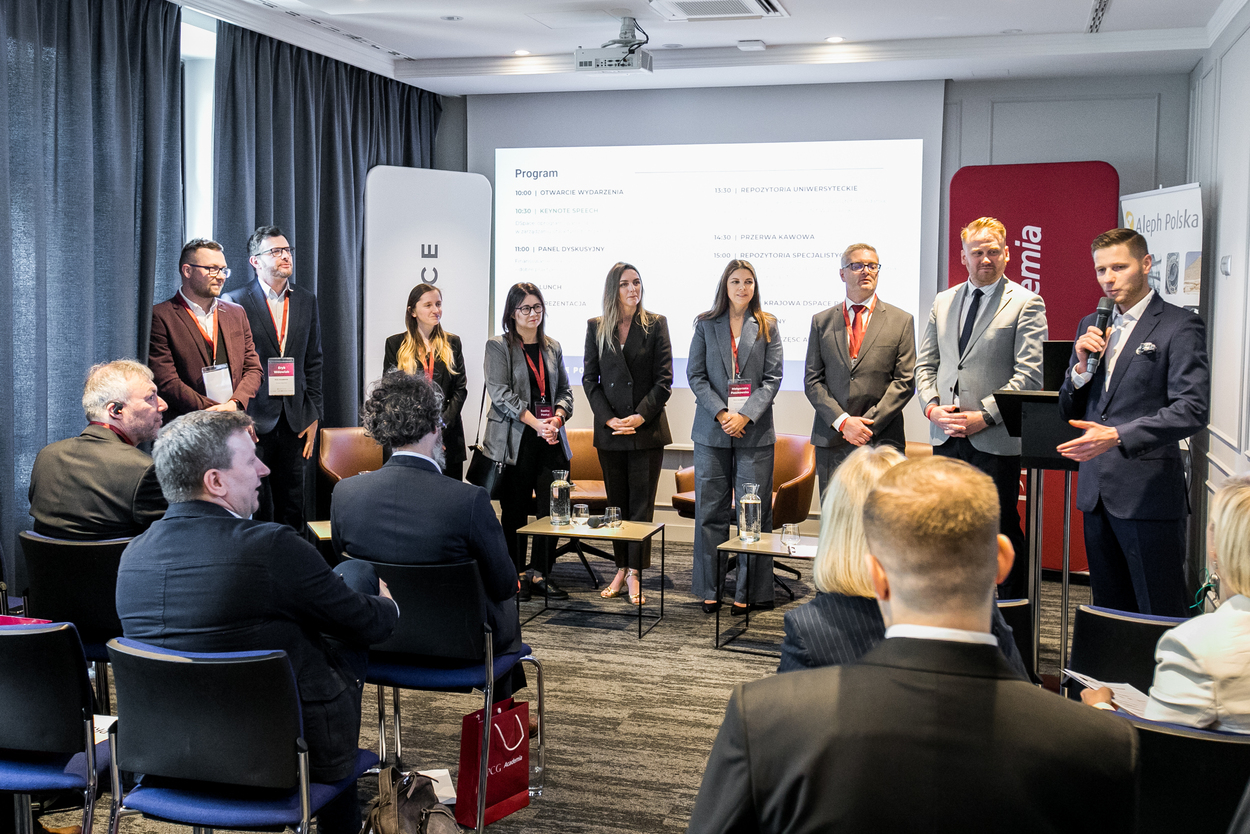
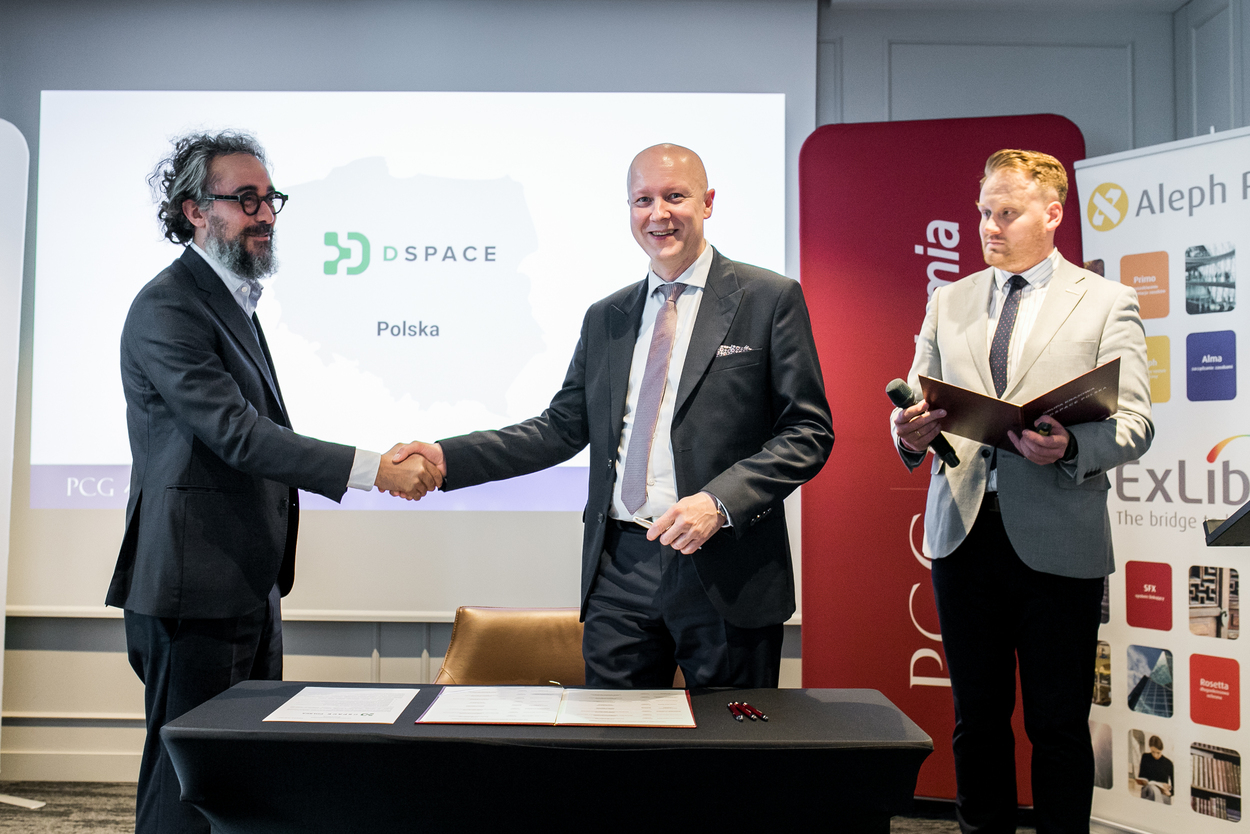
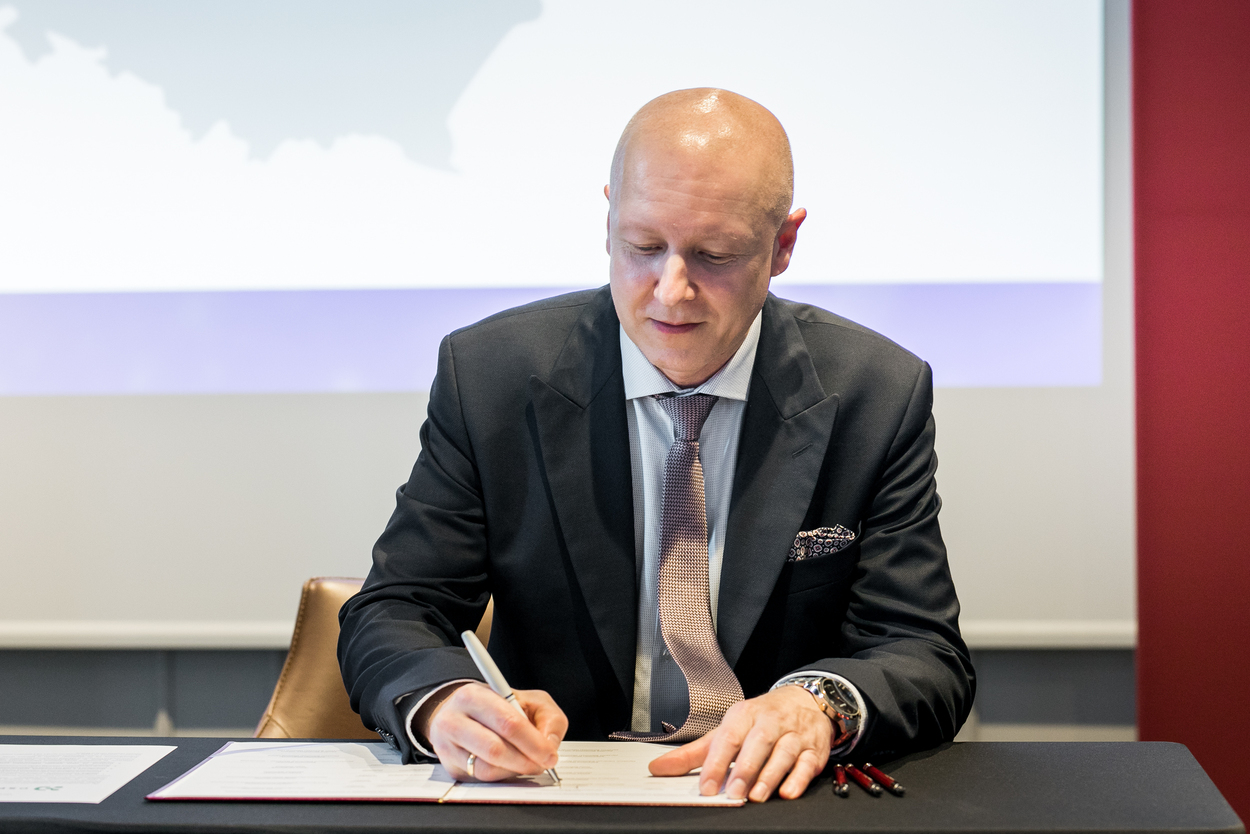
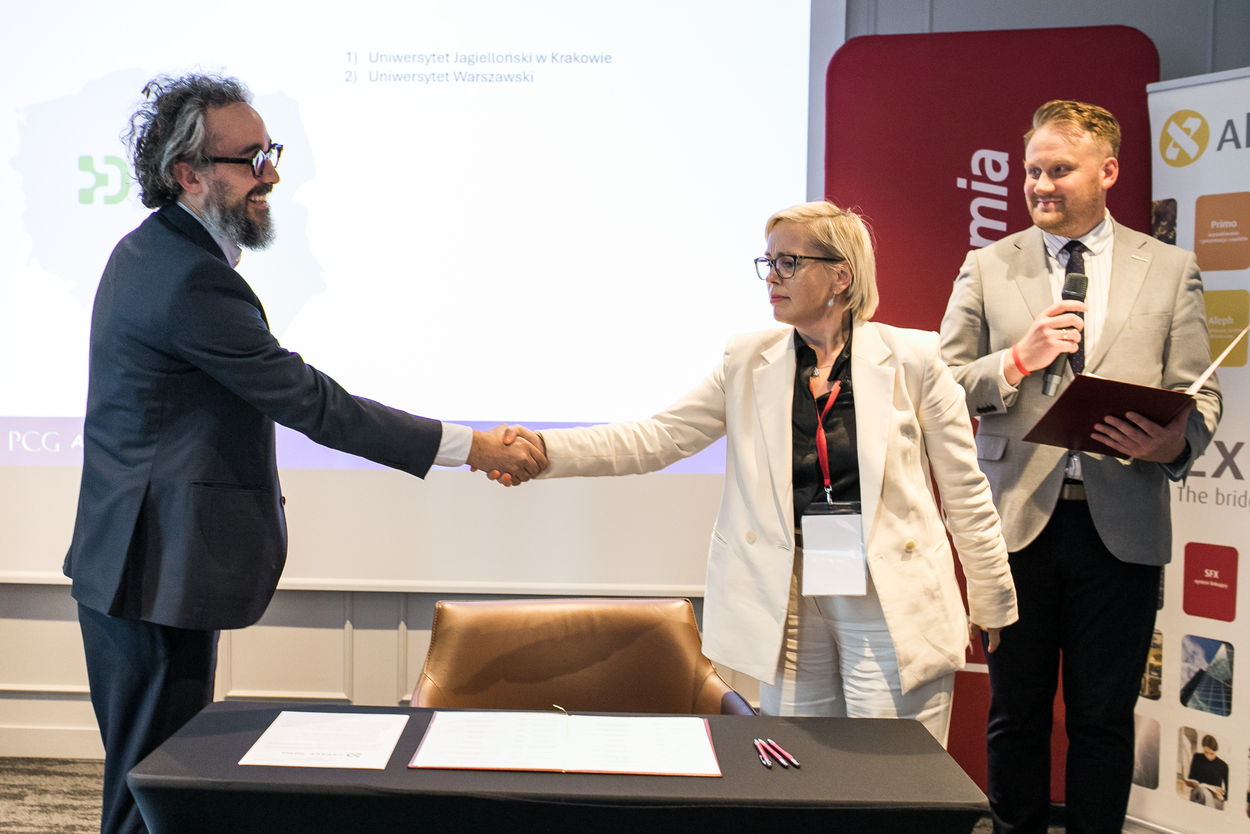
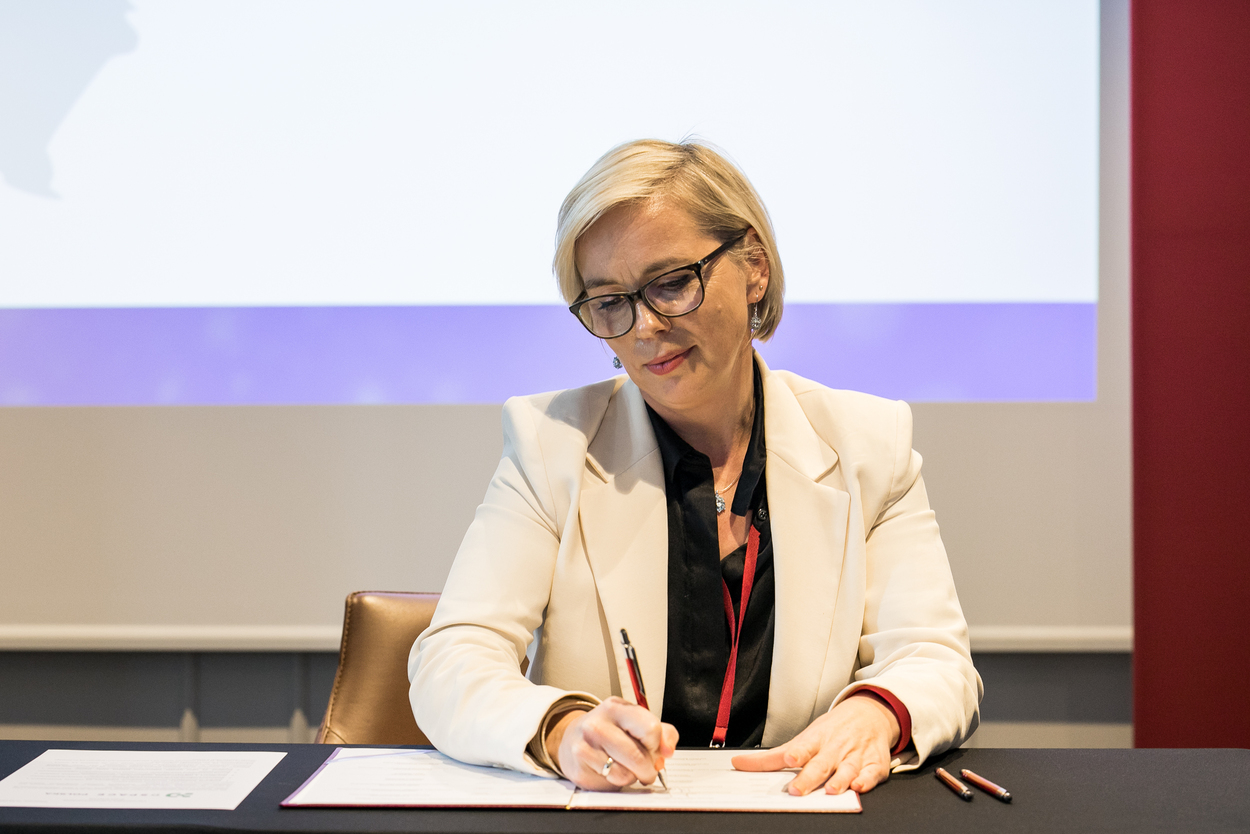
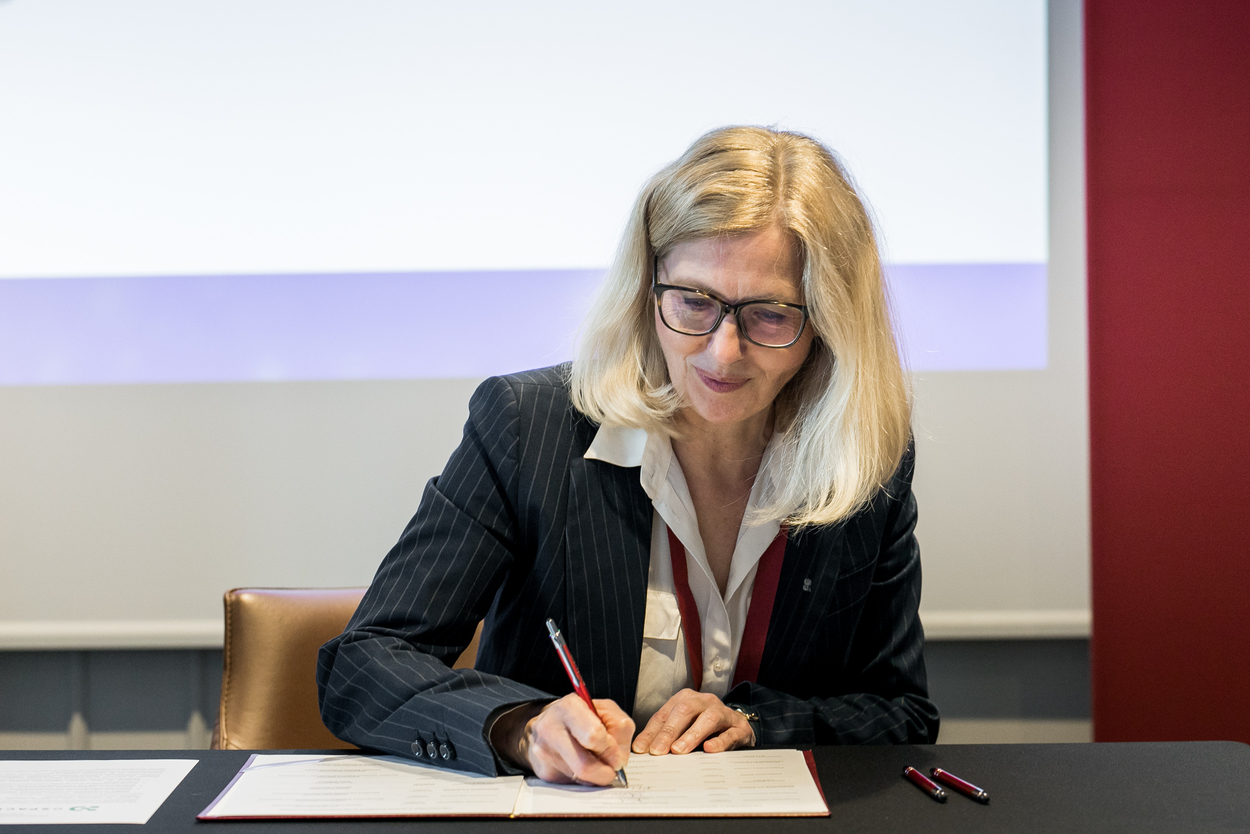
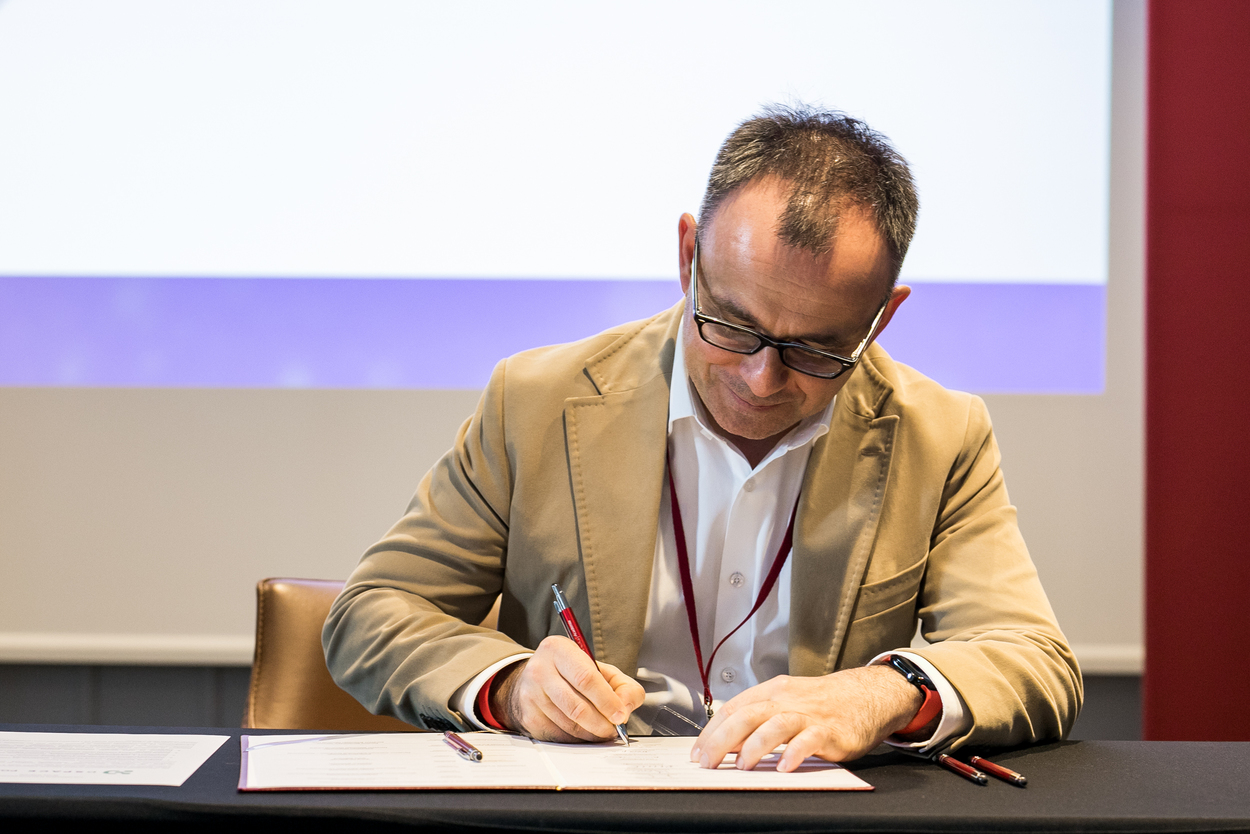
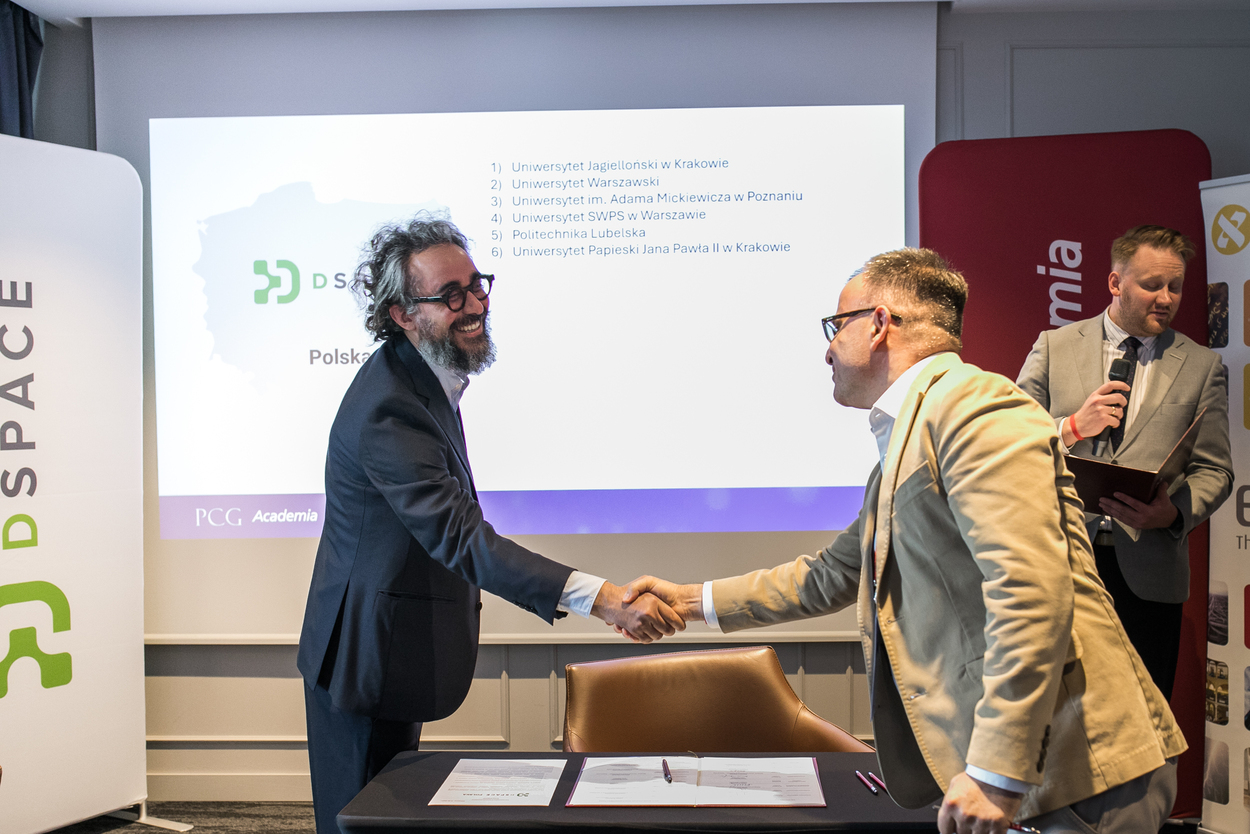
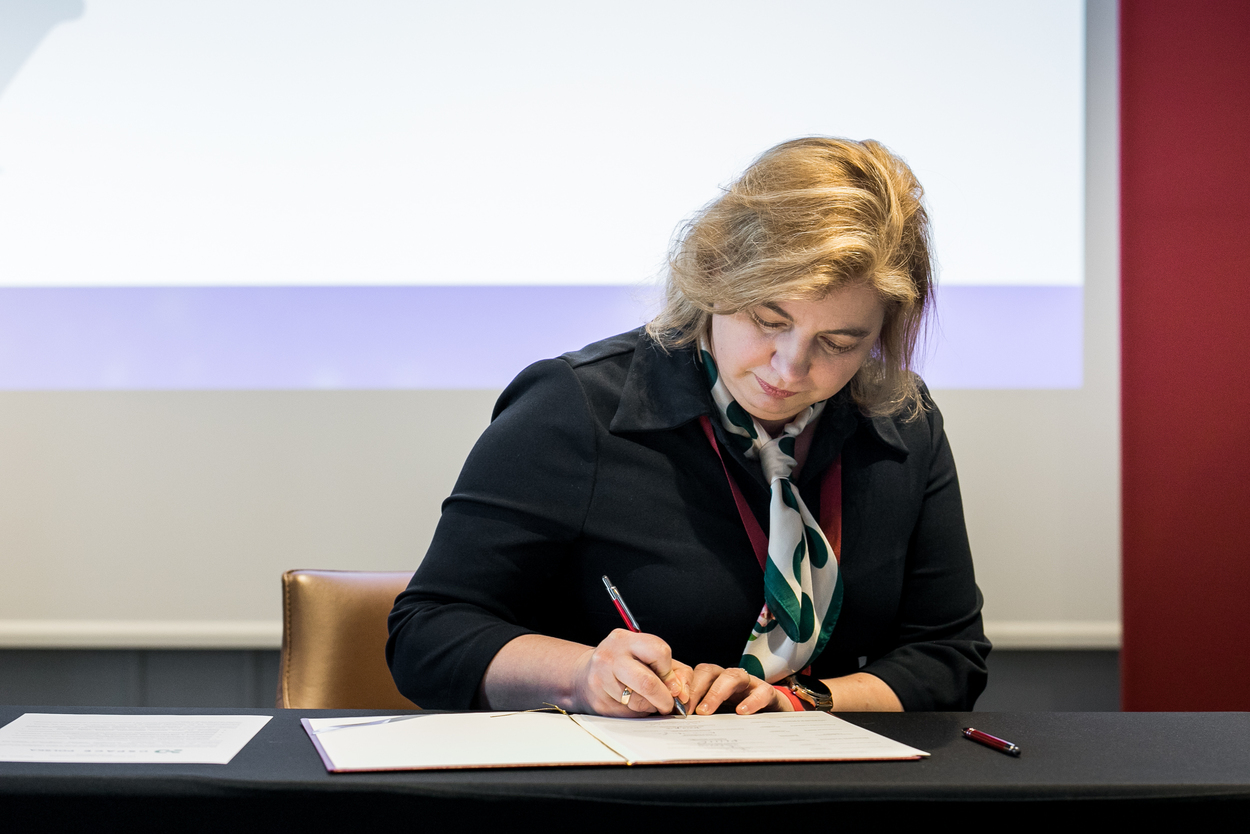
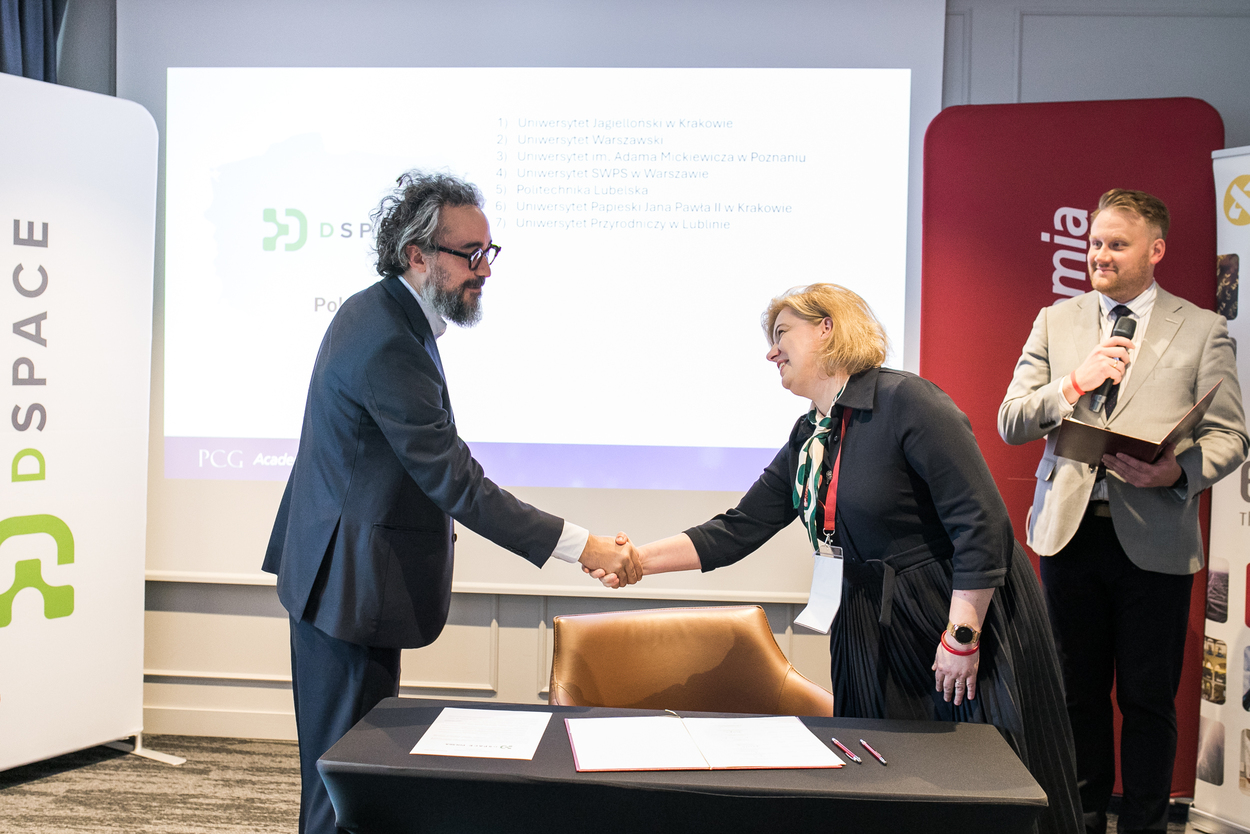
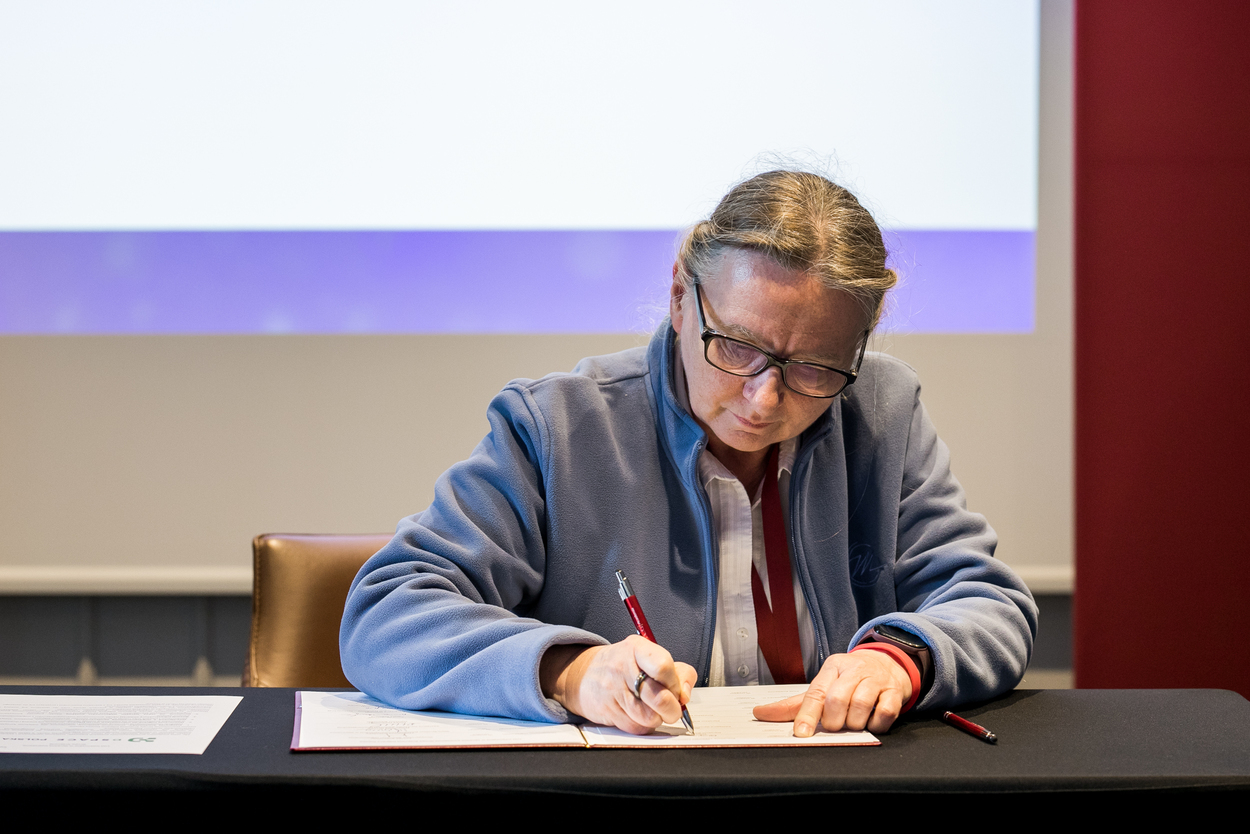
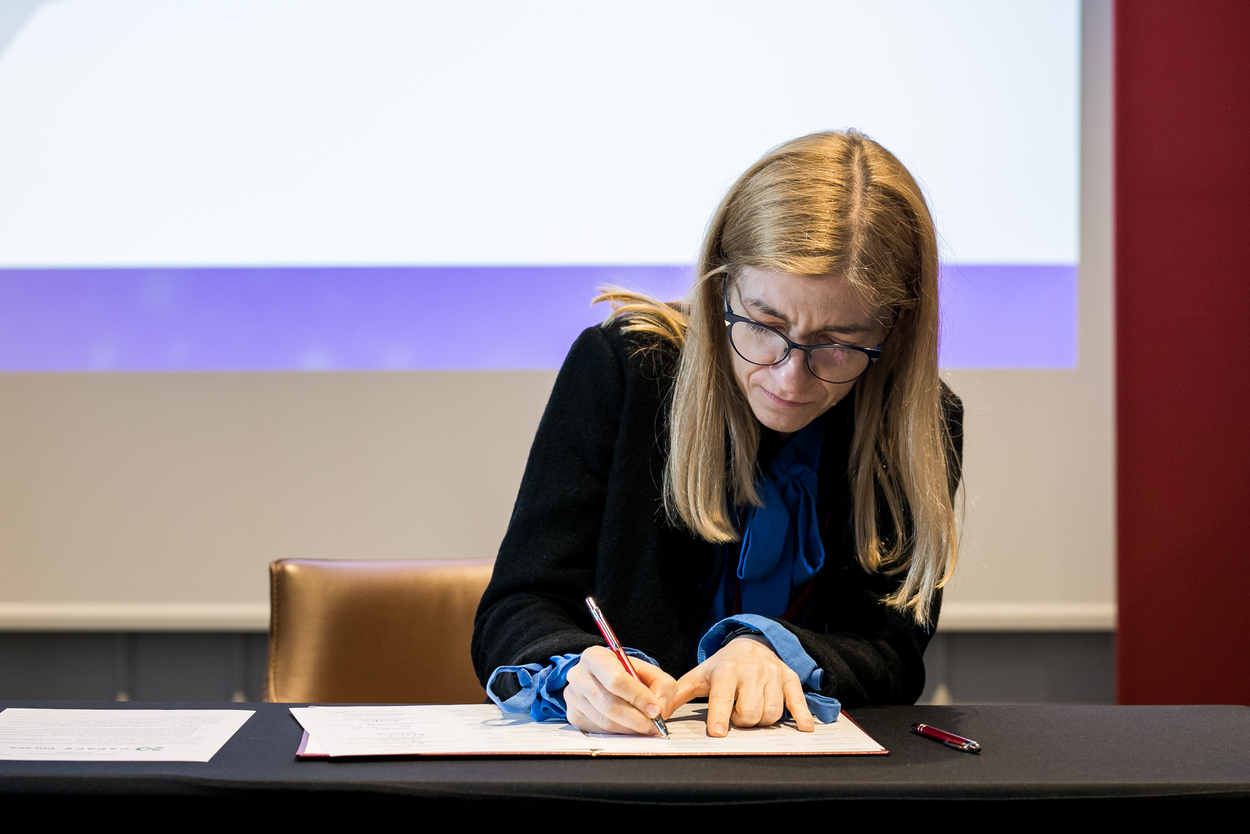
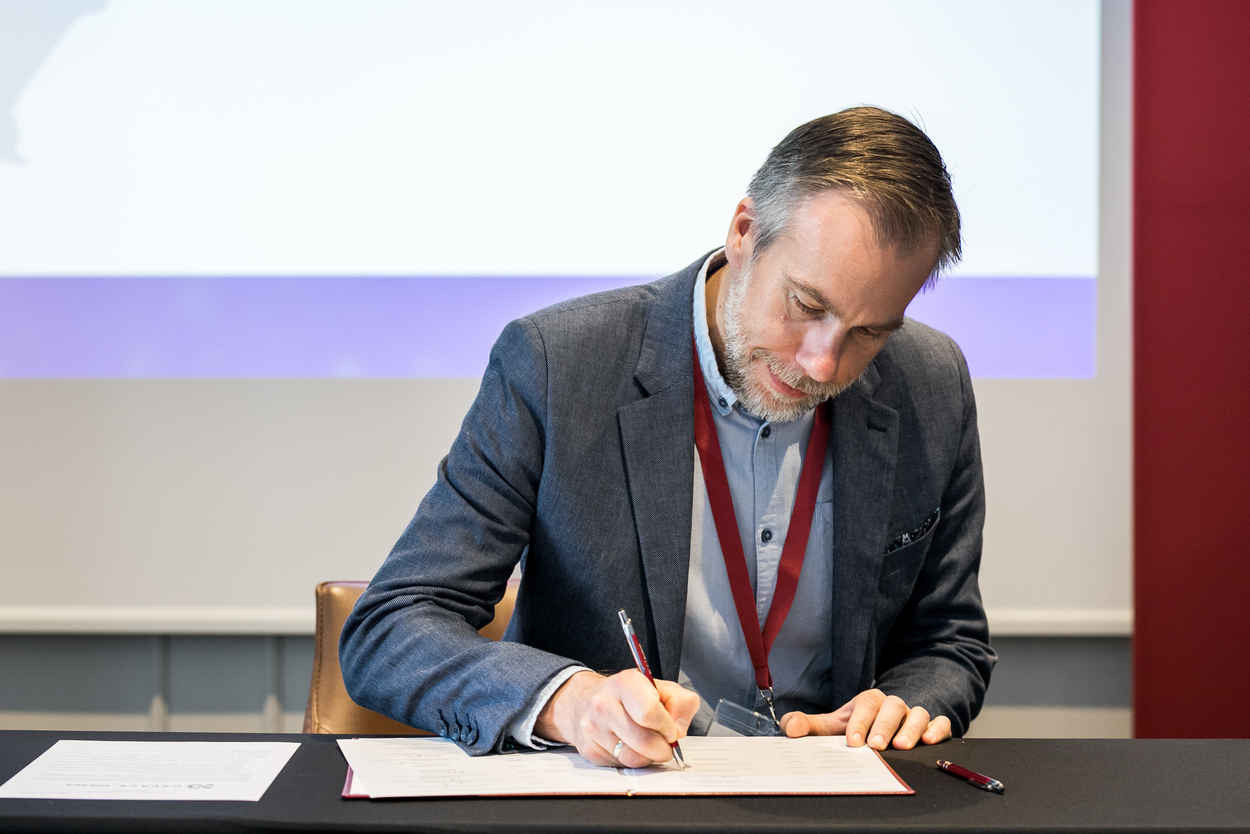
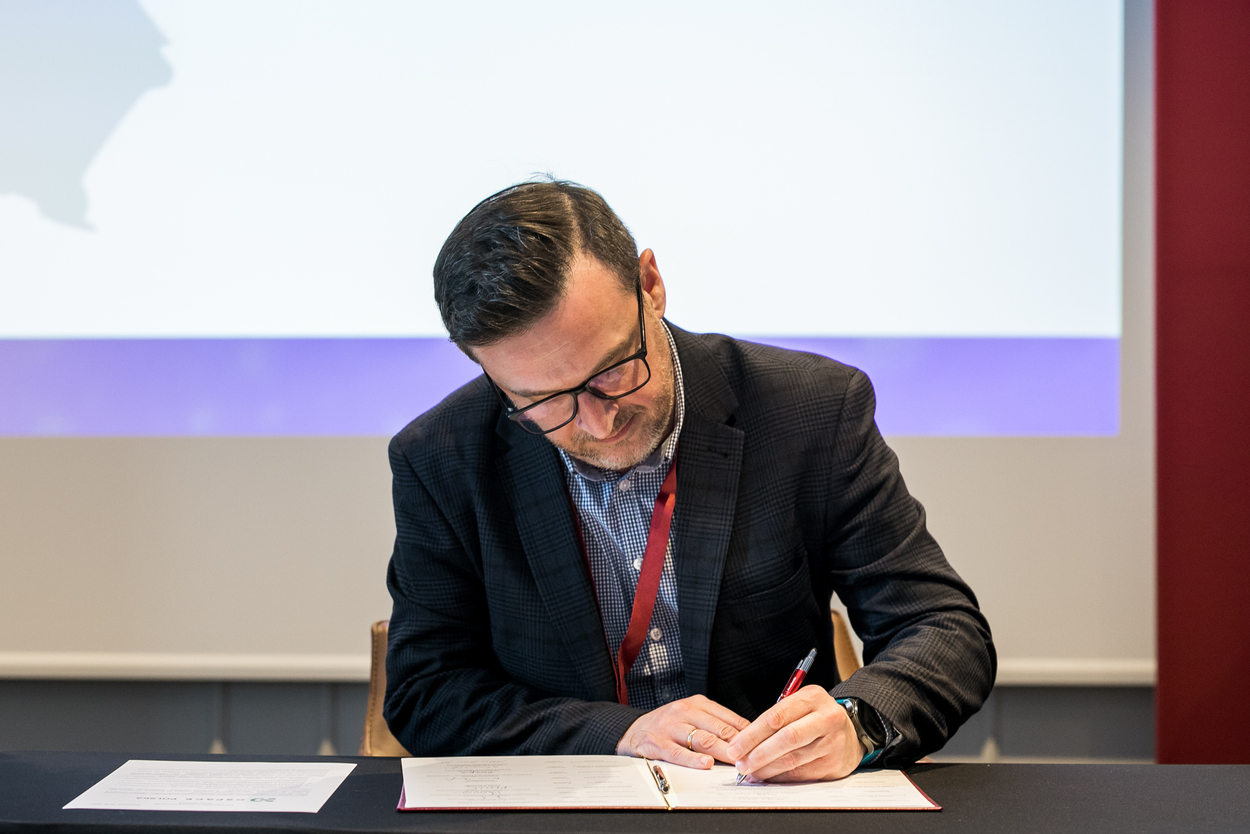
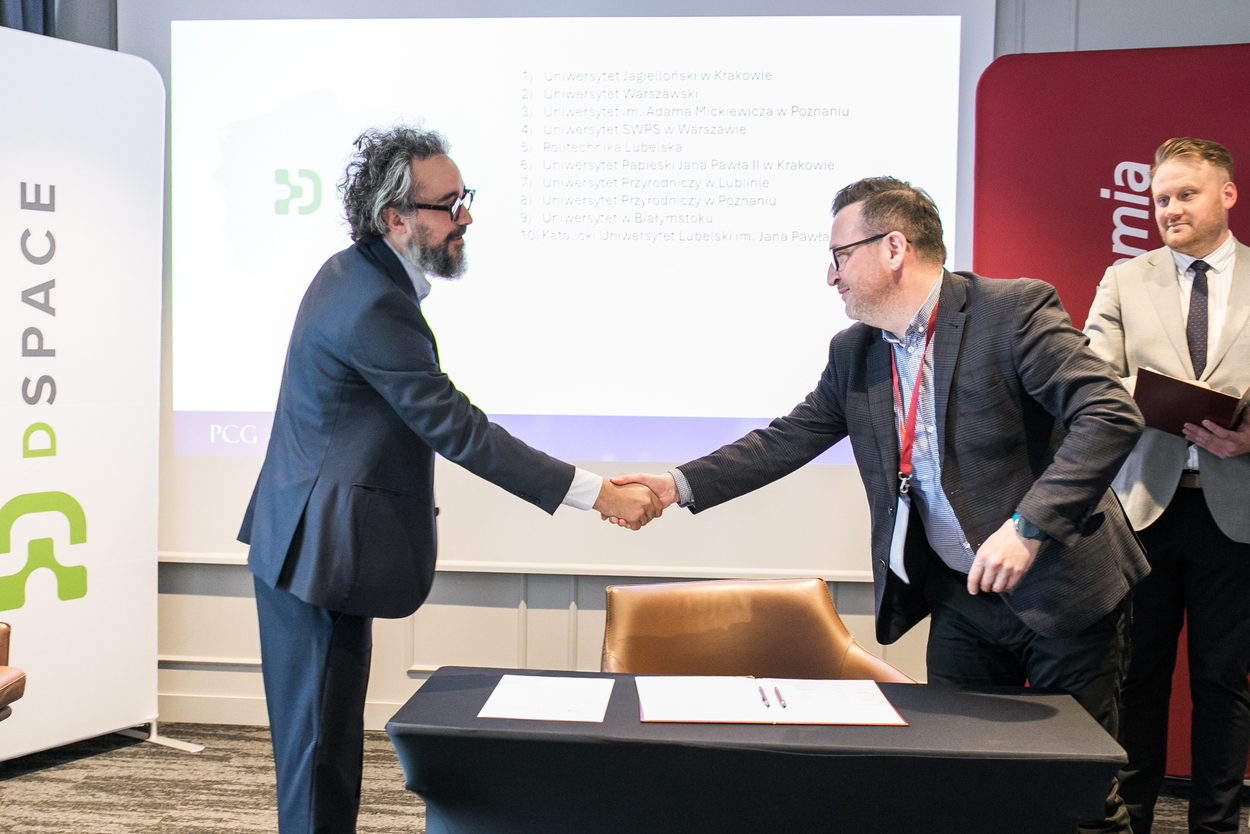
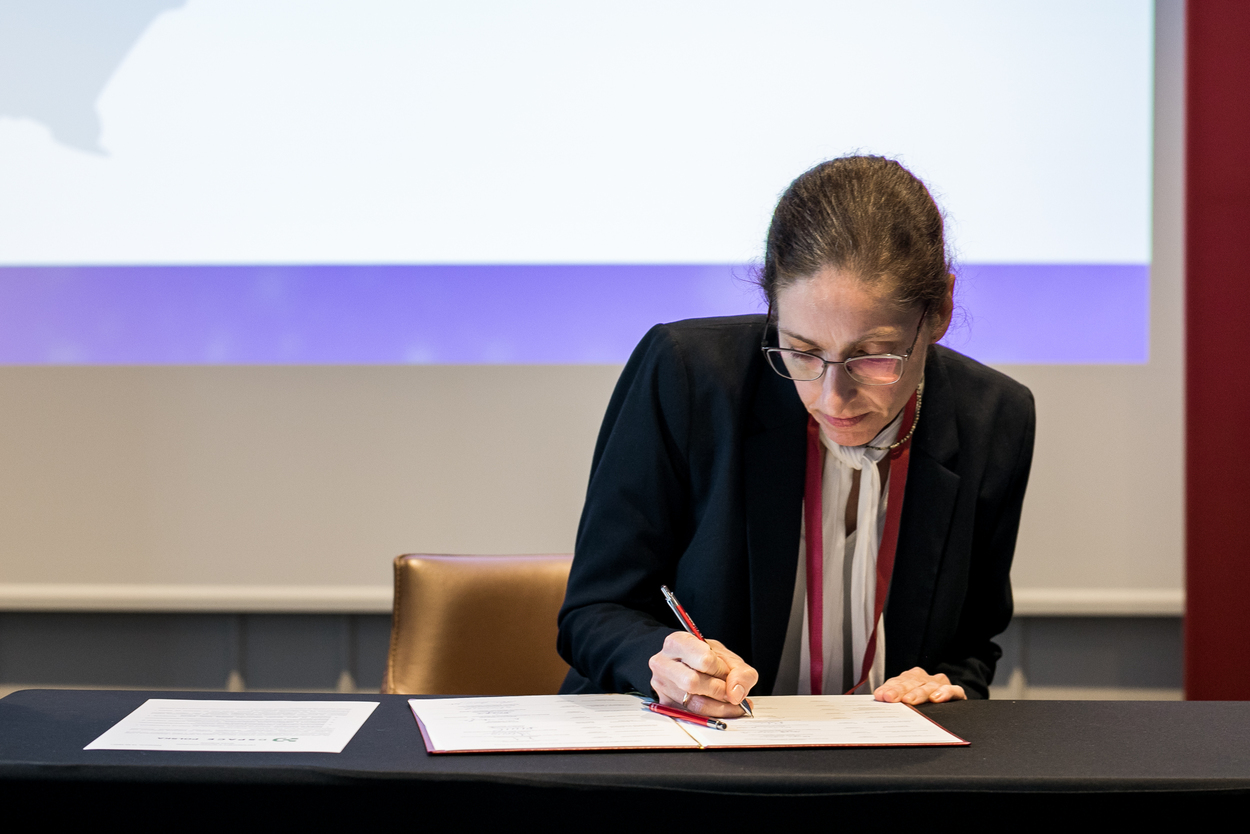
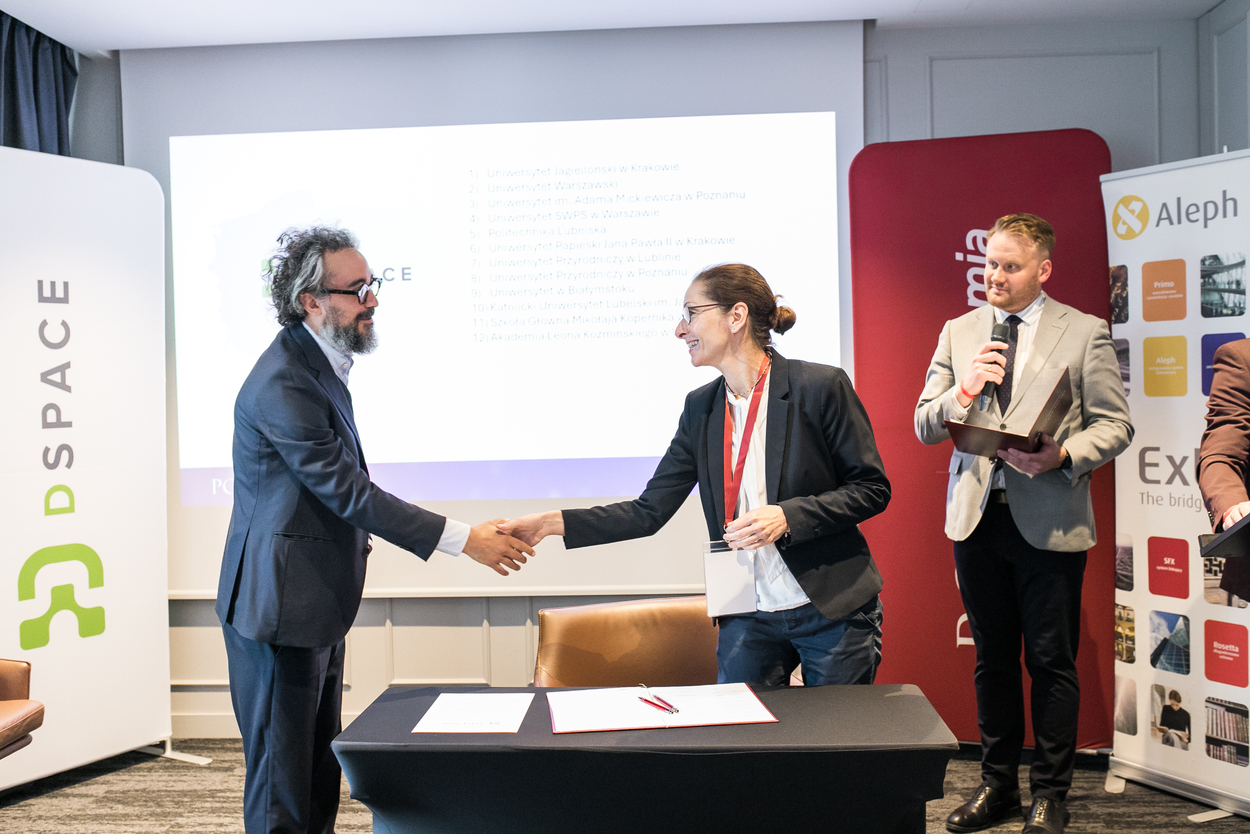
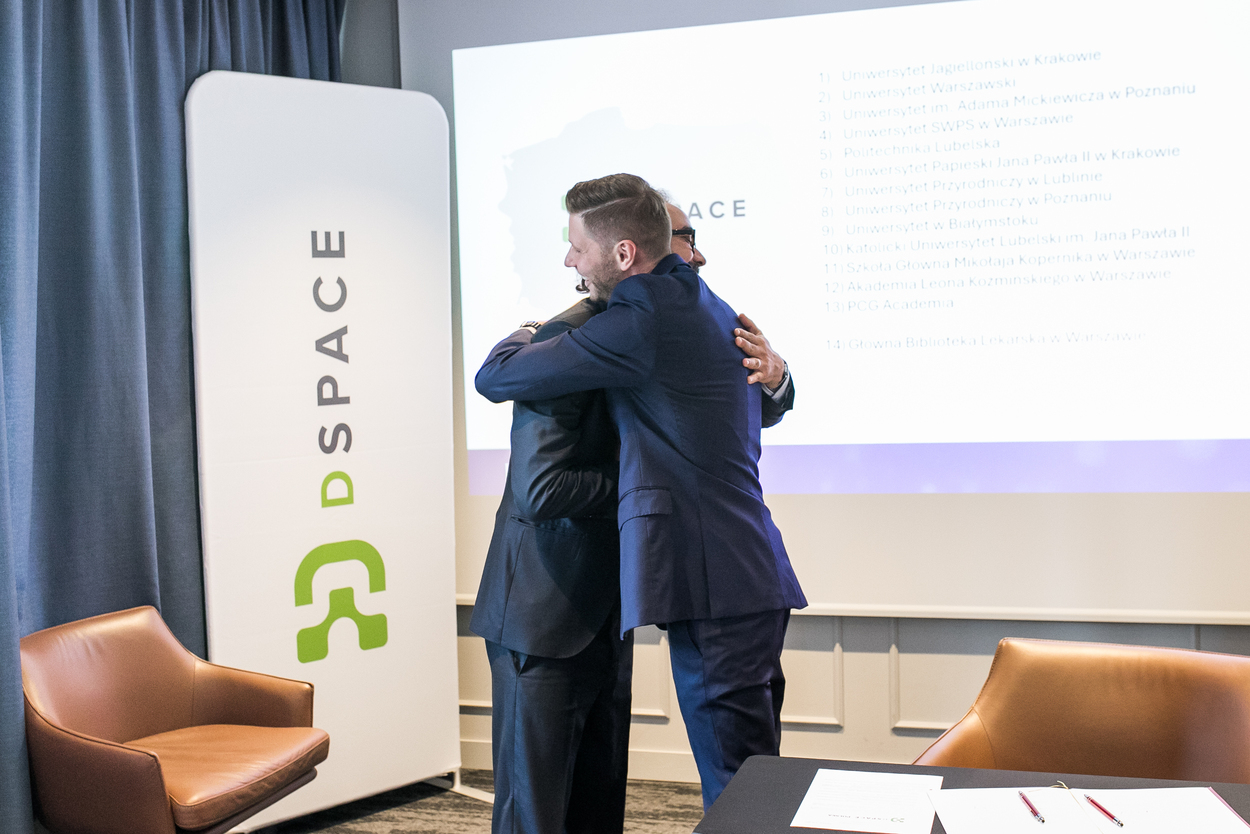
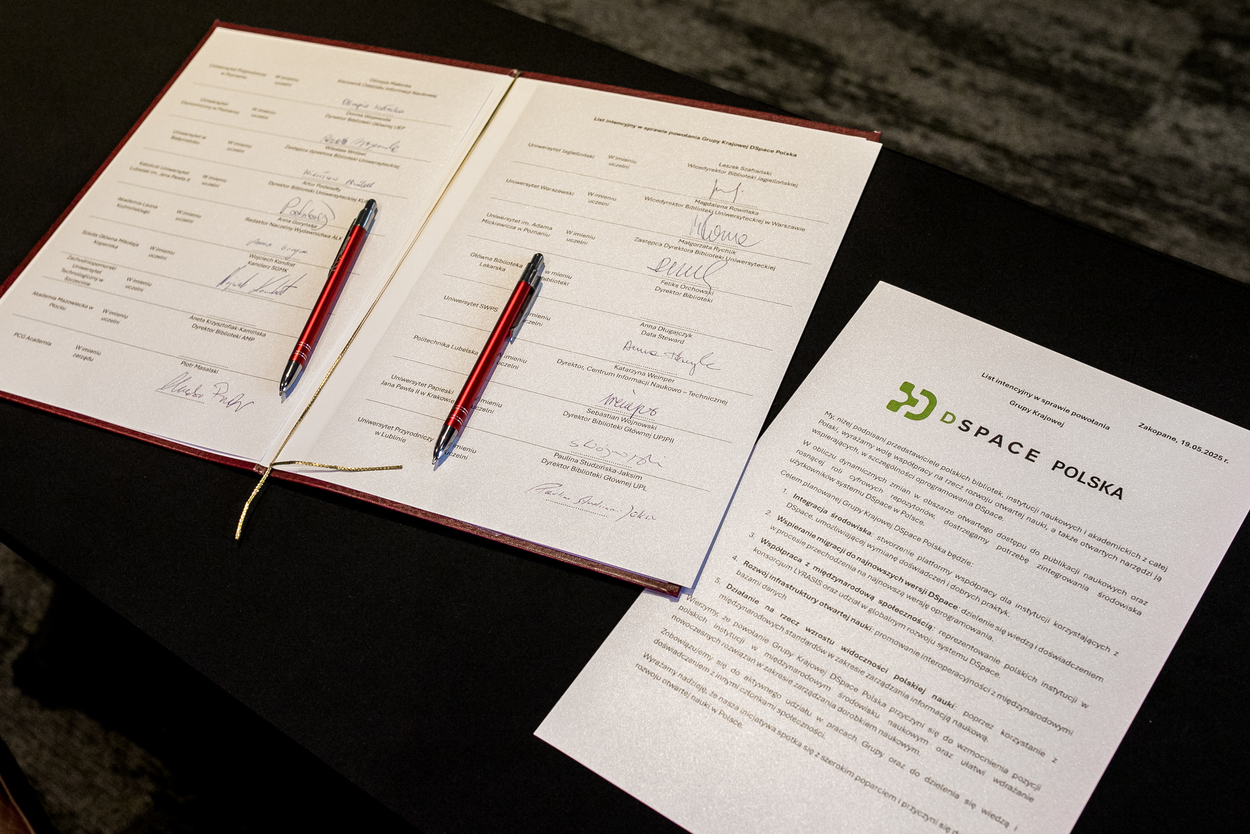
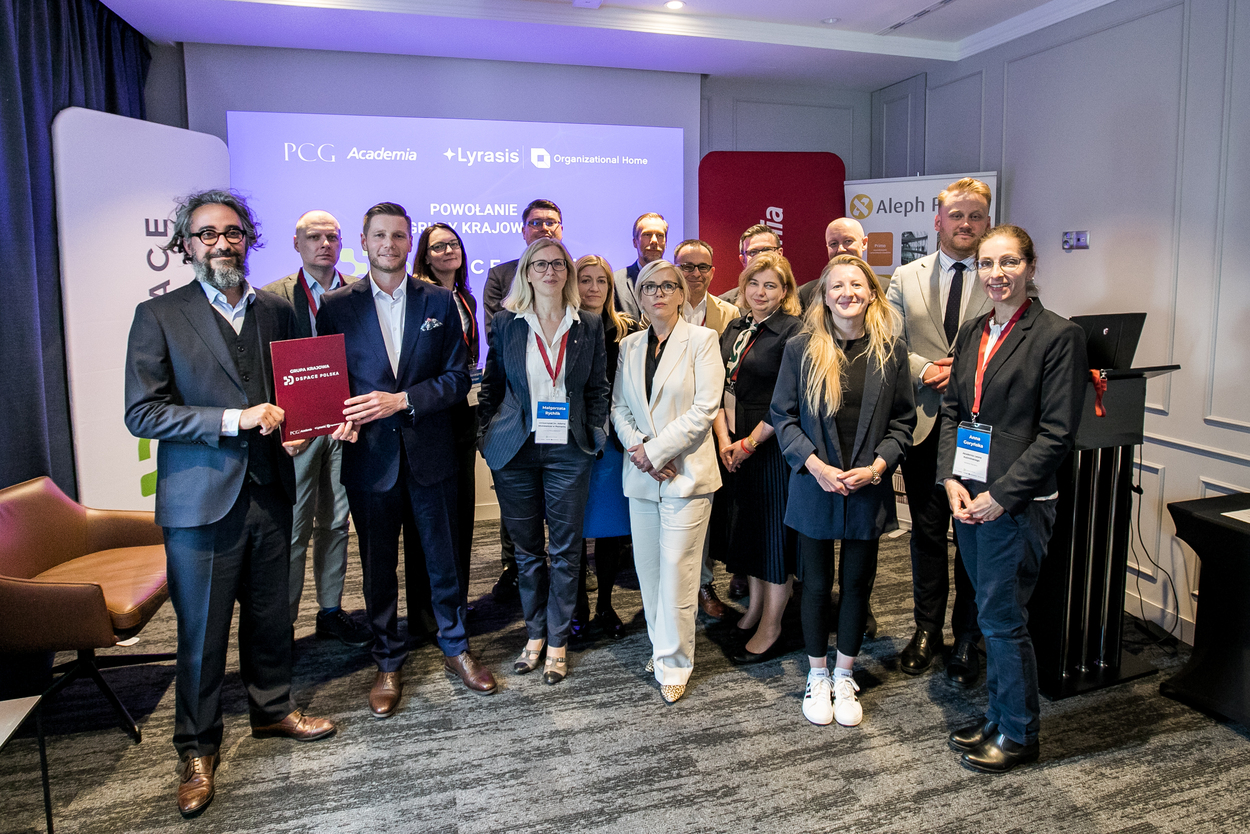
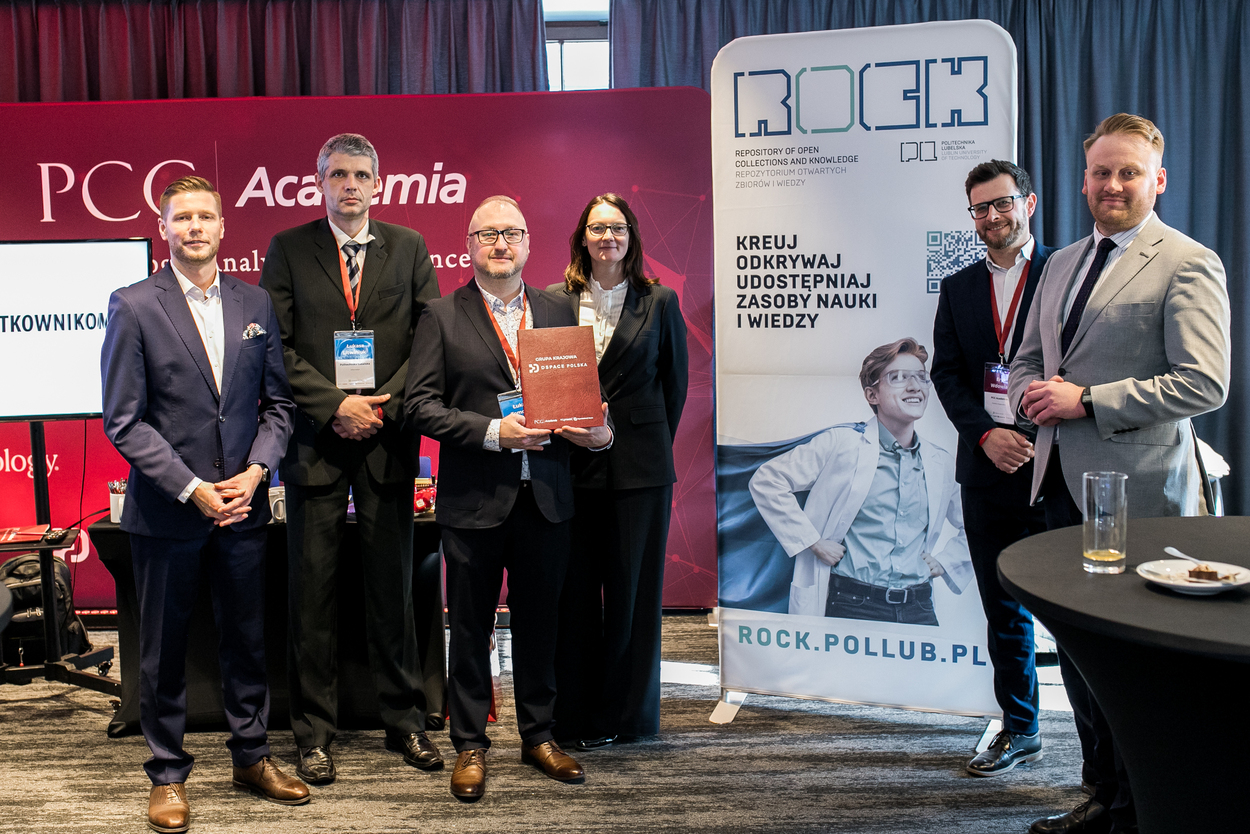
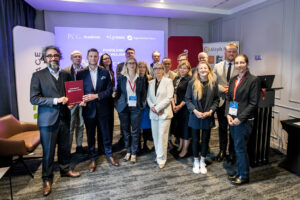
The highlight of the conference was the ceremonial establishment of the DSpace Poland National Group. During a special session, a letter of intent was signed, which formalizes cooperation between academic and research institutions for the development, standardization and promotion of the DSpace system in Poland. As many as 15 organizations from across the country signed the document – a historic moment for the open science community in Poland.
PRESENTATION TO DOWNLOAD
Closing and shared mountain experience
The conference ended with a gala dinner, which was an opportunity to integrate participants in a less formal atmosphere.
On the second day, in the spirit of the slogan “open science, open air,” participants went on a joint outing to the mountains. The route led to the Great Kopieniec, which offered picturesque views of the Tatra Mountains. The walk was an excellent opportunity for further conversations, exchanging experiences and building relationships among the participants.
The community that operates
DSpace Poland 2025 proved that open source software, a strong community and a shared vision of scientific development can go hand in hand. Polish institutions are not only implementing DSpace – they are co-creating its future.
We believe that the establishment of the National Group and subsequent editions of the conference will support the increasing use of DSpace in Polish science – as a tool for knowledge management, openness and collaboration.
Thank you for your presence!
We would like to thank all participants, speakers and partners for their presence in Zakopane and their contribution to the development of the national DSpace community. See you at future editions of the event – and, as it turns out, also at the Open Repositories in Chicago, where the experiences of our community will be presented to an international audience.
Photo gallery